Buying machinery across borders is no longer limited to local dealers or trade fairs. Digital marketplaces now connect contractors, rental companies, exporters, and fleet managers with excavators, wheel loaders, cranes, bulldozers, and compact equipment worldwide. According to KHL Group’s Yellow Table 2024, global construction equipment sales reached approximately US$243 billion in 2023. That scale reflects strong demand, but it also creates more choices, inconsistent listings, and greater verification challenges. The stakes are real.
This guide examines 10 Best Heavy Equipment Trader Sites for Global Buyers, using practical criteria rather than popularity alone. Each platform should be assessed for inventory depth, seller transparency, inspection options, export support, payment safeguards, and after-sales communication. Ritchie Bros.’ annual reporting also shows how large auction networks support significant equipment transactions across international markets. However, an online listing is not proof of machine condition. Hours, maintenance records, ownership documents, serial numbers, attachments, and shipping terms require careful review. Details matter.
Professional buyers often compare three or more listings before making contact. They also request cold-start videos, hydraulic performance evidence, and clear photographs of undercarriages or tires. These small checks can reveal costly differences. Still, no ranking is perfect. A mining contractor may value heavy-duty availability, while a small construction firm may prioritize financing and nearby service. This introduction therefore treats each Heavy Equipment Trader platform as a research tool, not an automatic recommendation. Readers should verify current policies, seller identities, inspection results, and import requirements before committing funds.
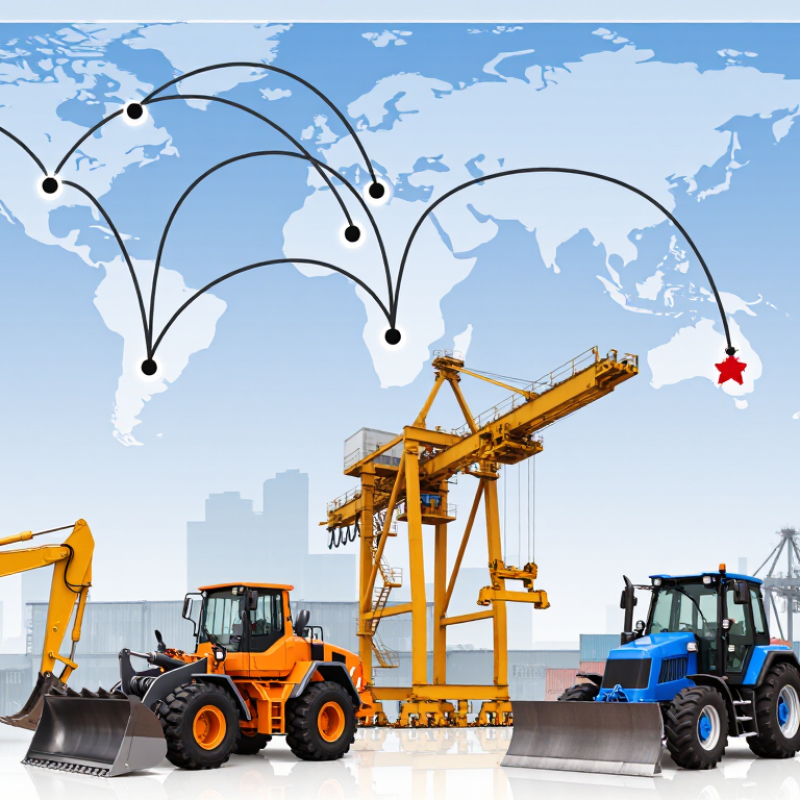
Heavy equipment trader sites are online marketplaces for buying and selling excavators, cranes, loaders, tractors, and other large machines. They gather listings from dealers, contractors, rental companies, and private fleet owners. A buyer can compare operating hours, production year, location, attachments, engine condition, and asking price in one place.
Global buyers use these sites when local supply is limited or project requirements change quickly. Construction firms may search for a used excavator near a new job site. Mining contractors often check machine capacity and maintenance records before contacting a seller. Agricultural operators may compare tractors with different power ratings and attachment options. Import agents and fleet managers also use these platforms to monitor market prices and locate suitable equipment.
Details matter. A listing should show clear photographs, serial information, service history, inspection records, and transport dimensions. I have found that operating hours can be misunderstood when meters are replaced or recorded differently. Location data may also be outdated. That is an uncomfortable weakness. Buyers should request a live video inspection, confirm ownership documents, and ask who pays loading, shipping, insurance, and import costs. Never rely on a polished description alone. A machine that looks clean may still have hydraulic leaks, worn tracks, or delayed maintenance. Experienced buyers build a written checklist and compare several listings before making contact.
How to Compare Global Heavy Equipment Trading Platforms
Choosing a heavy equipment trading platform requires more than checking listing volume. Compare seller verification, machine history, inspection options, and response quality. In my equipment sourcing experience, clear records often matter more than attractive prices. Ask whether listings show operating hours, maintenance dates, location, and ownership details. Photos should reveal tires, hydraulic lines, controls, and visible leaks. Vague descriptions deserve caution.
Compare the platform’s search tools with your actual buying process. Useful filters should include machine type, year, working hours, engine condition, and delivery region. Review the full landed cost, including inspection, inland transport, ocean freight, insurance, and import charges. Some platforms provide transaction support or secure document sharing. Others only connect buyers and sellers. That difference changes your risk. I once focused too heavily on price and underestimated port handling fees. It was a useful mistake, but an avoidable one.
Tips: Request a recent video showing the machine starting and operating. Confirm the video date and machine identification details. Speak with the seller through recorded platform channels when possible. Check whether inspection reports come from qualified, independent professionals. Compare at least three similar listings before making contact. Keep written records of specifications and promised repairs. A polished platform is not automatically reliable. Your comparison should test evidence, costs, and communication under real conditions.
Global buyers need more than a large inventory when choosing a heavy equipment trader site. The strongest platforms show clear specifications, operating hours, manufacturing dates, and maintenance records. Detailed photographs should reveal tires, hydraulic lines, attachments, and visible wear. That detail saves time.
Reliable trader sites verify seller identities and display business contact information. They may offer inspection reports from independent professionals, but buyers should still request recent videos and serial-number records. A polished listing can hide important weaknesses. I have found that comparing several machines with the same capacity often exposes unrealistic pricing.
International purchasing also depends on practical tools. Useful sites provide currency conversion, shipping estimates, customs document guidance, and secure communication channels. Search filters should cover location, equipment type, engine condition, working hours, and budget. Translation support helps, but technical terms can still be misunderstood. Ask precise questions.
Buyer reviews can reveal delayed replies, inaccurate descriptions, or poor after-sale support. However, reviews require judgment because not every experience is fully explained. A trustworthy marketplace keeps listing dates visible and removes inactive advertisements. It should also protect personal data and avoid encouraging payments through unclear channels. Small features matter when a machine may travel thousands of miles.
A trusted trader site is only the starting point. Verify the seller’s legal name, physical address, export experience, and transaction history. Request a live video inspection. Ask the seller to show the serial plate, hour meter, engine start, hydraulic movement, and cold smoke. A polished photo can hide costly damage. I learned that the hard way.
Compare prices using age, operating hours, location, attachments, and maintenance records. The 2024 Used Equipment Market Report by EquipmentWatch identifies these factors as key drivers of used-equipment values. Compare at least three similar listings, then add inspection, inland transport, ocean freight, insurance, duties, and port charges. UNCTAD’s Review of Maritime Transport 2024 states that over 80% of global merchandise trade by volume moves by sea. Freight can change a “cheap” machine quickly. Check whether the quoted price includes loading and documentation.
Tips: Request invoices, service logs, ownership records, and an independent inspection report. Match every document number with the machine’s serial number. Check telematics data when available, preferably using ISO 15143-3-compatible records. Confirm hours against maintenance dates; inconsistent readings deserve a pause. Do not send a deposit until the contract states machine condition, delivery terms, refund rules, and inspection rights. I would also record every promise in writing. Verbal assurances are easy to misunderstand across borders.
Global heavy equipment deals begin long before a machine reaches the port. Compare trader sites carefully, then verify the serial number, operating hours, service records, and current location. Request timestamped photos and a cold-start video. A warm engine can hide difficult starting problems. An independent inspection remains worthwhile, especially for excavators, loaders, and cranes.
Shipping costs include more than ocean freight. Ask about inland transport, loading methods, port storage, insurance, and container or breakbulk requirements. Confirm the machine’s dimensions and weight against the carrier’s limits. A small measurement error can create expensive delays. Request a written shipping schedule, but treat it as an estimate rather than a promise.
Customs classification, duties, taxes, emissions rules, and safety certificates vary by destination. Check these requirements with the receiving country’s customs authority before paying. Use a secure payment structure with documented invoices, inspection conditions, and clear refund terms. Avoid sending funds to unrelated accounts. Payment protection is not paperwork alone; it depends on traceable records and verified identities. I would not assume a low price means a good deal. Even experienced buyers can overlook storage charges or incomplete import documents. Recheck every figure before the equipment leaves its origin port.