2026 How to Choose the Best Excavation Equipment for Your Project?
Choosing the right excavation equipment is crucial for any construction project. The global excavation equipment market is projected to reach $44 billion by 2026, according to a recent report by Market Research Future. This rapid growth indicates that selecting the best equipment can significantly impact project efficiency and costs.
Industry expert John D. Morris emphasizes the importance of understanding your project needs. He states, “The right equipment can make or break a project.” This highlights the need for careful consideration when making choices. Factors like soil type, project scale, and deadline should guide your selection process.
However, many contractors often overlook these factors. They might go for popular brands without assessing their specific requirements. This can lead to delays and unexpected costs. Understanding the nuances of excavation equipment is essential for successful project outcomes. Thoughtful planning and informed decisions can ultimately drive efficiency and enhance productivity in construction endeavors.
Understanding Your Project Requirements for Excavation Equipment
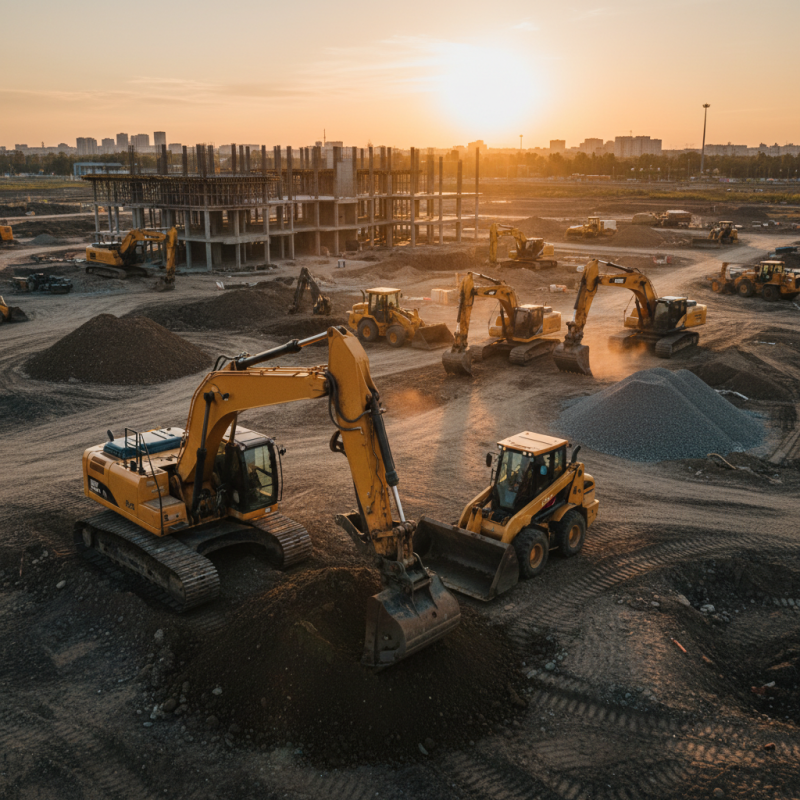
When planning an excavation project, understanding your specific requirements is crucial. Different projects demand different types of equipment. A residential job may require a small excavator, while larger commercial projects might need heavy-duty machinery. According to the Construction Equipment Guide, the right selection can reduce operational costs by 20% and enhance efficiency. Analyzing the project's scale, soil type, and accessibility helps in making the best choice.
Tips for selection: Always evaluate the site conditions. If the terrain is uneven or muddy, a rubber-tracked excavator might be more suitable. Remember, not fitting equipment can lead to delays and increased costs. Consider also the depth of excavation required. Depth impacts the equipment size and type necessary for the job.
Finally, be mindful of maintenance needs. Equipment that requires frequent repairs can slow down your project. According to the Associated General Contractors of America, equipment downtime can lead to financial losses of approximately $1 million per year for construction firms. Careful assessment of these factors can guide you toward making informed decisions for effective project outcomes.
Excavation Equipment Types and Their Applications
Types of Excavation Equipment and Their Specific Uses
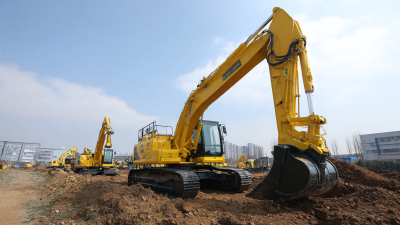
Excavation projects require specific equipment tailored to the tasks at hand. Large-scale projects often rely on excavators, which can dig deep and move significant amounts of earth. These machines come in various sizes. A mini-excavator is ideal for tight spaces, while larger models are best for extensive excavation. Knowing the terrain can help decide the right type.
Dozers play a crucial role in grading and moving heavier materials. Their powerful blades assist in flattening land or creating embankments. However, using a dozer on steep slopes can be risky. It's essential to evaluate site conditions before operation. Additionally, backhoes serve a dual purpose. They can dig and load materials efficiently, making them versatile for many jobs.
Understanding the specific needs of a project leads to more effective machinery choices. Hiring specialized equipment may seem costlier upfront but can boost efficiency. Reflecting on past projects can reveal what worked and what fell short. Selecting the right tools drives project success and minimizes delays.
Factors to Consider When Choosing Excavation Equipment
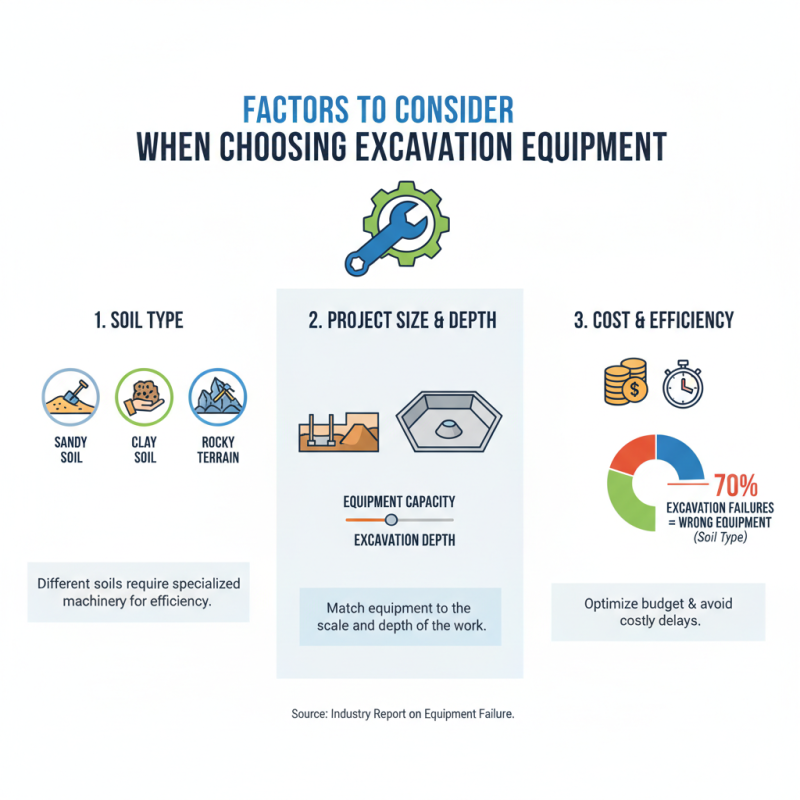
When selecting excavation equipment for a project, it's essential to consider key factors that influence efficiency and cost. The type of soil can significantly affect your choice. For instance, sandy soil may require different machinery than clay or rocky terrain. According to a recent industry report, around 70% of excavation failures are linked to improper equipment selection based on soil type.
Another vital factor is the project scale. Smaller jobs might only need compact excavators, while larger tasks often call for heavy-duty machinery. Different equipment can handle various depths, extending from shallow trenches to deeper foundations. Statistics indicate that using the right equipment can increase productivity by up to 30%.
Operator experience also plays a crucial role. A well-trained operator can maximize the equipment's capabilities, reducing risk and increasing safety. Inadequate training can lead to accidents and equipment damage, resulting in unexpected costs. It's a point often overlooked but can impact project timelines and budgets. Understanding these factors ensures a better fit for your excavation needs.
Comparing Equipment Specs: Power, Size, and Efficiency
When selecting excavation equipment for your project, understanding specifications is crucial. Power, size, and efficiency significantly influence performance and suitability. According to the Construction Equipment Manufacturers Association (CEMA), a machine's horsepower is directly linked to the efficiency of excavation tasks. For instance, a model with 80-120 horsepower can efficiently handle small to medium-scale projects. Larger tasks may require equipment exceeding 200 horsepower for optimal results.
Size also matters in excavation. Compact equipment can maneuver in tight spaces but may lack the power for substantial digging. Conversely, larger machines are powerful yet less agile. They often struggle with accessibility in confined areas. According to a recent industry report, improper size selection can lead to increased project time and costs.
Efficiency is the key metric in today’s projects. Equipment with advanced hydraulic systems can reduce fuel consumption by 30%, according to data from the National Association of Equipment Dealers (NAED). Furthermore, operators play a vital role in efficiency. Skilled operators can maximize equipment potential, while inexperienced users might waste resources and time. Balancing these specifications requires careful consideration tailored to each project’s unique demands.
2026 How to Choose the Best Excavation Equipment for Your Project?
| Equipment Type |
Power (HP) |
Operating Weight (lbs) |
Bucket Capacity (cu yd) |
Fuel Efficiency (gal/hr) |
| Mini Excavator |
25 |
5,000 |
0.15 |
1.2 |
| Midi Excavator |
50 |
10,000 |
0.25 |
2.5 |
| Standard Excavator |
100 |
20,000 |
0.50 |
3.5 |
| Large Excavator |
150 |
40,000 |
0.85 |
5.0 |
| Specialty Excavator |
200 |
60,000 |
1.25 |
7.0 |
Budgeting for Excavation Equipment: Costs and Maintenance
When budgeting for excavation equipment, understanding costs is crucial. Industry reports suggest that equipment rental can range from $200 to $1,000 per day, depending on the machinery type. For long-term projects, purchasing might be more economical, with prices for mini excavators averaging around $30,000. However, this initial investment goes beyond purchase costs.
Maintenance expenses are often overlooked. Routine upkeep can add 10-15% to operational costs annually. Failing to maintain equipment can lead to costly repairs and downtime. A poorly maintained excavator might degrade performance by 20% or more, impacting project timelines. Hiring a certified technician for annual inspections is advisable. Yet, many companies ignore this, seeking short-term savings rather than long-term reliability.
The hidden costs in excavation projects can be significant. Unforeseen machinery failures can delay schedules. Industry data shows that downtime can cost companies thousands of dollars per hour. It's essential to weigh all these factors carefully. This knowledge allows for a more strategic approach when selecting excavation equipment tailored to specific project demands.

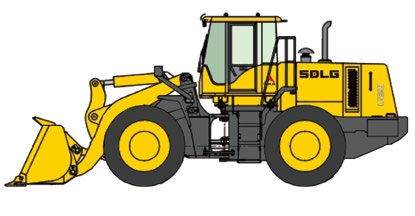 Wheel Loader
  Excavator
 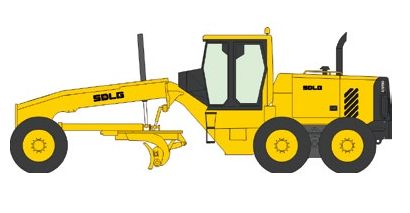 Motor Grader
 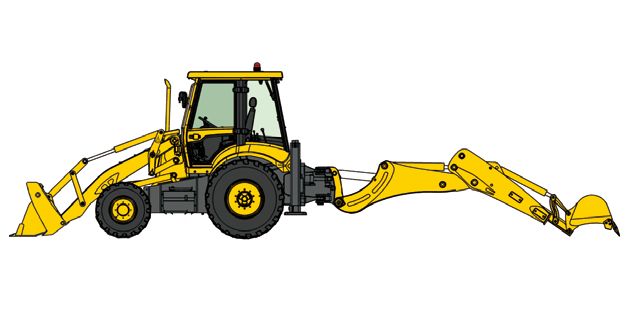 Backhoe Loader
 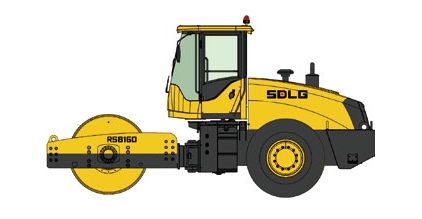 Road Roller
 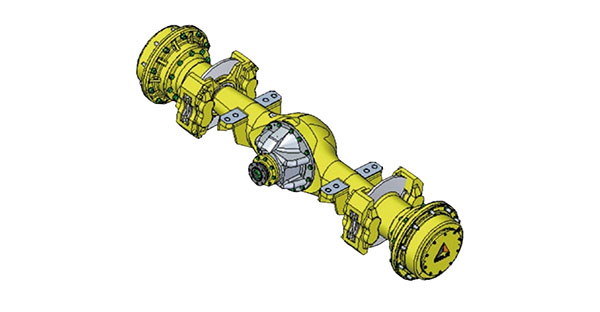 Spare Parts