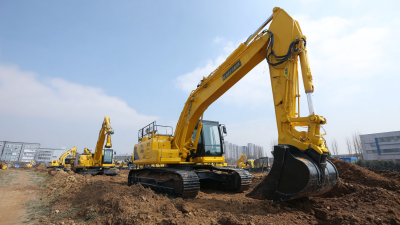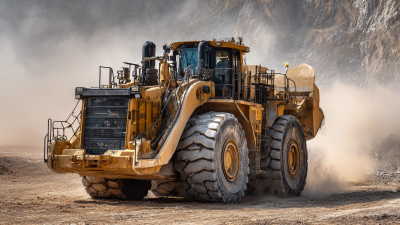
Choosing the right China Heavy Equipment Machinery supplier requires more than comparing prices. Excavators may look similar in photographs, yet performance can differ sharply at a muddy construction site. Hydraulic response, steel thickness, fuel consumption, operator comfort, and spare-parts access all deserve close attention.
Jim Umpleby, Chairman and CEO of Caterpillar, said, “Our customers count on us to help them build a better, more sustainable world.” This principle also matters when evaluating Chinese manufacturers. A reliable supplier should demonstrate real engineering capability, consistent factory quality, transparent testing procedures, and dependable after-sales support. Certifications can help, but they should never replace practical verification.
Look beyond the brochure.
The strongest suppliers usually provide detailed machine specifications, service manuals, warranty terms, production records, and references from comparable projects. Buyers should inspect welding quality, undercarriage components, engine origins, telematics systems, and parts availability. A factory video is useful, but an independent visit is stronger evidence. Sometimes, an inexpensive machine becomes costly through downtime, delayed components, or poorly trained technicians.
This guide examines leading China Heavy Equipment Machinery suppliers through experience, technical expertise, market reputation, and customer reliability. It considers excavators, loaders, cranes, bulldozers, and other construction equipment. Supplier rankings are never completely objective. Regional service, project conditions, and operator skill can change the final decision. That limitation deserves honesty.
The best choice is not always the cheapest. It is the supplier that performs consistently when dust, heat, heavy loads, and deadlines expose every weakness.
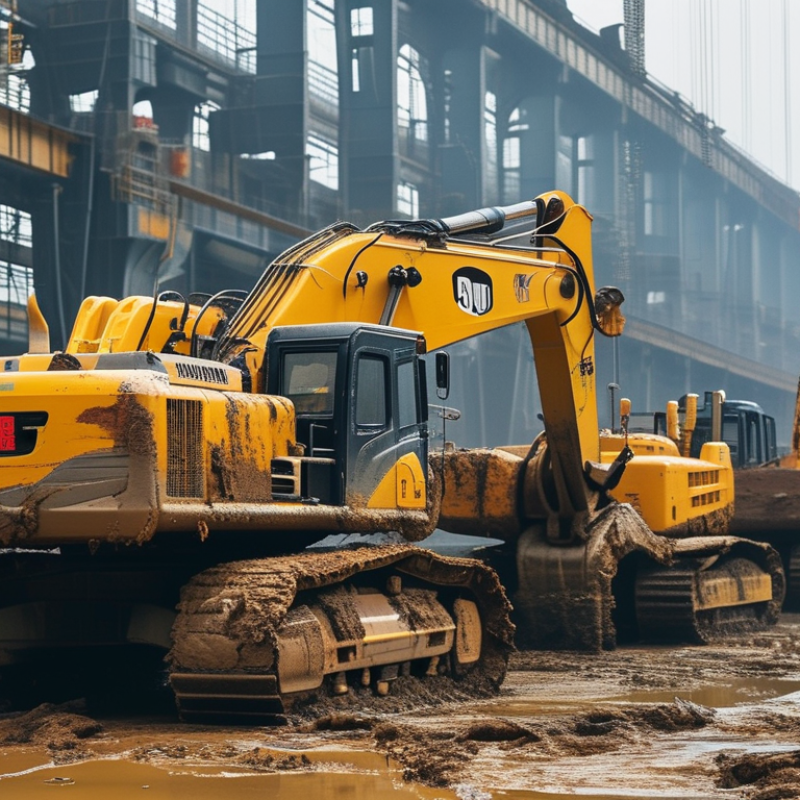
China’s heavy equipment sector generated more than RMB 900 billion in revenue in 2023. This figure shows strong manufacturing depth and sustained domestic demand. It also signals intense competition among machinery suppliers. However, market size alone does not prove supplier reliability. Buyers should examine factory capacity, product testing, export experience, and after-sales support. A capable supplier can provide clear specifications, traceable components, and practical maintenance guidance.
In real procurement work, small details often affect total ownership costs. Ask for load-test records, warranty terms, spare-parts availability, and delivery schedules. Inspect welding quality, hydraulic connections, cabin visibility, and control response. These details matter on dusty roads and crowded construction sites. A low purchase price may hide expensive downtime. The RMB 900 billion figure can create confidence, but it may also oversimplify the market. No checklist is perfect. Supplier claims still need independent verification.
Tips: Request videos of operating equipment, not only polished photographs. Compare at least three written quotations. Confirm technical standards and service coverage before signing. Review customer references from projects with similar soil, climate, and workload. A remote inspection helps, but an on-site audit remains more dependable. Good suppliers welcome detailed questions and explain limitations honestly. That behavior often reveals more than a sales presentation.
Selecting the best China heavy equipment supplier requires more than comparing price tags. In field reviews, I examine machine uptime, hydraulic response, fuel use, operator visibility, and parts access. A low purchase price means little if a replacement hose takes weeks to arrive. Fit matters. Construction conditions, service distance, and project schedules should guide the decision.
Among the leading Chinese OEMs, one is widely associated with large excavators, earthmoving machines, and road equipment. Another has strong recognition in cranes and concrete machinery, where lifting accuracy and pump stability matter. A third offers broad construction equipment coverage, including cranes, mixers, and municipal machinery. The fourth is especially competitive in wheel loaders, bulldozers, and rugged quarry applications. These segment strengths help buyers create a shorter, more practical supplier list.
I would still verify every claim through operating references and local inspections. Ask for maintenance records, cold-start behavior, filter costs, and software support. A polished demonstration can hide difficult service routines. Some published performance data also lacks consistent testing conditions. That deserves scrutiny. Visit a working fleet when possible, and speak with mechanics, not only sales staff. Warranty language, technician training, and spare-parts stock often reveal more than a brochure. Supplier quality can vary between production batches, so independent inspection remains a sensible safeguard.
| Equipment Segment | Common Equipment Type | Typical Operating Weight | Typical Engine Power | Typical Working Capacity | Primary Applications | Common Compliance Features |
|---|---|---|---|---|---|---|
| Earthmoving | Hydraulic Crawler Excavator | 20–25 metric tons | 120–150 kW | Bucket capacity: 0.9–1.3 m³ | General excavation, trenching, quarrying, foundation work, and material loading | Low-emission diesel engines, hydraulic load-sensing systems, reinforced undercarriages, and optional telematics |
| Compact Construction | Mini or Compact Excavator | 1.5–8 metric tons | 15–55 kW | Bucket capacity: 0.04–0.35 m³ | Urban utilities, landscaping, residential construction, road maintenance, and confined sites | Tail-swing configurations, auxiliary hydraulic lines, canopy or cab options, and emissions-compliant engines |
| Loading Equipment | Wheel Loader | 15–25 metric tons | 135–220 kW | Bucket capacity: 2.5–5.0 m³ | Aggregate handling, mining support, stockpiling, infrastructure projects, and loading operations | Articulated frames, automatic transmissions, wet-disc brakes, payload monitoring, and optional work tools |
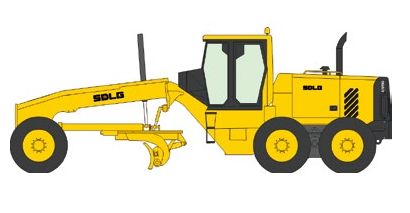
| Road Construction | Motor Grader | 14–18 metric tons | 140–175 kW | Moldboard length: 3.7–4.3 m | Road shaping, surface leveling, drainage slopes, land grading, and snow removal | Hydraulic blade control, articulated steering, all-wheel drive options, and enclosed operator cabins |
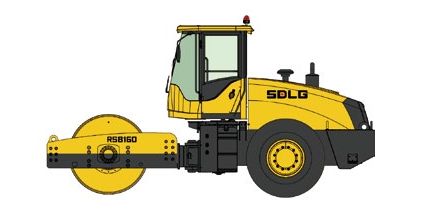
| Compaction | Single-Drum Soil Compactor | 10–20 metric tons | 95–155 kW | Drum width: 2.1–2.4 m | Soil, sub-base, embankment, landfill, and large-scale road compaction | Vibratory systems, adjustable amplitude and frequency, drum-drive configurations, and water spray systems |
| Lifting Equipment | Truck Crane | 25–80 metric tons | 200–330 kW | Maximum lifting height: approximately 30–60 m | Building construction, industrial installation, bridge work, utilities, and equipment erection | Load moment limiters, hydraulic telescopic booms, outrigger monitoring, anti-two-block systems, and safety interlocks |
| Concrete Machinery | Truck-Mounted Concrete Pump | 25–45 metric tons | 200–330 kW | Concrete output: approximately 80–180 m³/h | High-rise buildings, tunnels, bridges, foundations, and large concrete pours | Hydraulic pumping circuits, wear-resistant delivery pipes, remote controls, and boom stability monitoring |
| Material Handling | Rough-Terrain or Telescopic Handler | 7–18 metric tons | 55–130 kW | Lift height: approximately 6–18 m | Construction material handling, industrial sites, agriculture, warehouses, and uneven terrain | Four-wheel steering, load charts, hydraulic quick couplers, stabilizers, and boom-angle monitoring |
| Mining and Quarrying | Rigid or Articulated Dump Truck | 30–100 metric tons payload | 250–750 kW | Body volume: approximately 20–65 m³ | Open-pit mining, quarry haulage, overburden removal, and large earthmoving projects | Retarders, automatic transmissions, reinforced dump bodies, payload systems, and fleet-monitoring technology |
| Port and Logistics | Container Handler or Reach Stacker | 35–75 metric tons gross operating weight | 180–265 kW | Load capacity: approximately 10–45 metric tons | Container terminals, intermodal yards, logistics centers, and empty-container handling | Spreader twist-lock systems, load stabilization, operator visibility systems, and electronic diagnostic controls |
Data shown are representative specification ranges for commonly exported equipment classes manufactured by major Chinese heavy-equipment OEMs. Actual specifications vary by model, configuration, market, emission standard, and optional equipment.
What Are the Best China Heavy Equipment Machinery Suppliers?
China’s OEMs held a strong global position in KHL’s 2024 Yellow Table. The ranking measures construction equipment sales revenue among the world’s leading manufacturers. Several Chinese producers appeared near the top, showing their growing production capacity, export reach, and investment in engineering.
However, a high ranking does not automatically mean the best supplier for every project. The Yellow Table reflects sales performance, not total ownership cost, service response, or machine durability in a specific climate. Buyers should examine hydraulic performance, fuel use, operator comfort, spare-parts access, and dealer training. A machine working beside a dusty quarry needs different support from one used on an urban road project. This detail is easy to overlook.
Tips: Use the Yellow Table as a starting point, not a final answer. Request verified operating data, warranty terms, maintenance schedules, and references from similar job sites. Inspect the machine in person when possible. Ask difficult questions. Some supplier information may sound polished but remain incomplete. I would also compare local service capacity with the purchase price, because a cheaper machine can become expensive during long repair delays. Supplier rankings are useful evidence, yet field experience should challenge them.
Choosing among China heavy equipment machinery suppliers starts with product fit, not catalog size. For 20–50-ton excavators, compare operating weight, breakout force, fuel use, and hydraulic response. A 20-ton excavator suits road trenches and general earthmoving. A 50-ton model handles quarry faces, deep cuts, and larger buckets. Ask for test records from similar soil conditions. Soil changes everything. Also check boom reach, undercarriage thickness, and attachment compatibility. A low purchase price means little if parts wear quickly.
Cranes need a separate review. Match rated load charts, lifting radius, counterweight, transport width, and wind limits to the worksite. A 25-ton mobile crane may fit urban projects, while heavier lifting can require a 50-ton configuration. Request inspection reports, operator controls, and emergency shutdown details. For loaders, bucket capacity and tipping load matter more than horsepower alone. A 20–30-ton loader can feed crushers efficiently, but oversized equipment may waste fuel in tight yards. Measure turning space before selecting.
Mining trucks demand attention to payload, axle design, gradeability, brake cooling, and dump-cycle time. A 40–50-ton truck should match haul-road width and maintenance access. In supplier evaluations, I would inspect weld quality, component traceability, service response, spare-parts stock, and training support. Ask for references from comparable climates. Some specifications look impressive on paper. Field performance may differ. Insist on a supervised trial, clear warranty terms, and measurable delivery commitments. A careful buyer should leave room for doubt, especially when local support is untested.
Typical 20–50-ton product ranges for excavators, cranes, wheel loaders, and mining trucks
The chart compares commonly marketed equipment classes by their primary rated metric. Excavators and wheel loaders are measured by operating weight, cranes by rated lifting capacity, and mining trucks by payload capacity. Actual specifications vary by configuration, attachment, and operating conditions.
Supplier due diligence should begin with evidence, not attractive quotations. Request the supplier’s ISO 9001 certificate and verify its scope, validity, and issuing organization. ISO 9001 shows a quality management system, but it does not guarantee perfect machines. Check whether factory procedures cover welding, assembly, testing, and complaint handling. For products requiring CE compliance, review the Declaration of Conformity, technical documentation, and applicable directives. A CE mark alone is not enough. Paperwork is not proof.
During a factory visit, compare documented procedures with actual workstations. Look for traceable serial numbers, inspection records, calibrated tools, and controlled storage areas. Ask how quickly common parts can ship to your operating location. Confirm parts pricing, stock levels, warranty exclusions, technician training, and remote support. A supplier may promise fast service, yet vague response times create expensive delays. Ask for written commitments. Then test them with specific scenarios.
Total cost of ownership should include the purchase price, freight, import charges, fuel or electricity, maintenance, wear parts, downtime, and operator training. Request a realistic five-year estimate using your workload and local operating costs. Some calculations look precise but hide assumptions. I have seen low-cost equipment become expensive after repeated hydraulic repairs and long parts delays. My own estimates can also be wrong when working conditions change. Dust, steep terrain, and inexperienced operators matter. A reliable supplier discusses these risks openly and provides inspection data, not only polished sales documents.