How to Choose the Best Construction Vehicles for Your Project?
Choosing the right construction vehicles is crucial for any project. These machines are the backbone of construction operations. According to a report by the Equipment Leasing and Finance Association (ELFA), the construction equipment market was valued at approximately $146 billion in 2021, with steady growth expected. This underscores the importance of investing in reliable construction vehicles.
The selection process can be daunting. Different projects require diverse vehicles—excavators, bulldozers, and cranes, among others. Each type serves specific functions that can impact project efficiency and turnaround time. For instance, a study by the American Rental Association reveals that rental rates for construction vehicles can vary significantly, affecting budgeting decisions. Thus, understanding vehicle capabilities and costs is essential.
Reflecting on your project needs is also critical. Not every vehicle will suit every situation. Sometimes, a less popular choice might actually offer better long-term returns. It’s vital to weigh immediate needs against potential future requirements. This analysis will help in making informed decisions that align with both project goals and financial constraints in the dynamic construction industry.

Understanding Your Project Requirements for Construction Vehicles
When considering construction vehicles, understanding your project requirements is essential. Every project has unique needs. For example, heavy machinery is critical for large-scale projects, while smaller jobs may only require compact equipment. According to a report by the Association of Equipment Manufacturers, about 75% of construction projects involve varying vehicle sizes based on job specifications.
Assess the terrain where the project will take place. Is it rugged or flat? Will there be tight spaces? These factors influence the types of vehicles needed. For instance, all-terrain vehicles are invaluable on uneven ground, while standard trucks work well on highways. The selection process can often feel overwhelming, especially with a myriad of options available. It's crucial to balance cost-effectiveness and operational efficiency.
Moreover, consider fuel efficiency and maintenance needs. Reports indicate that inefficient vehicles can increase operational costs by up to 40%. Regular maintenance is not just about reducing breakdowns; it also impacts productivity. An underperforming vehicle can delay your project timeline, which could be costly. Ultimately, assessing these specific details will support smarter choices in vehicle selection, ultimately making your construction project more successful.
How to Choose the Best Construction Vehicles for Your Project?
| Vehicle Type |
Load Capacity (tons) |
Ideal Terrain |
Average Cost ($) |
Best Use Case |
| Excavator |
6-30 |
Rugged Terrain, Urban |
100,000 - 300,000 |
Digging, Demolition |
| Bulldozer |
5-45 |
Flat and Sloped Ground |
80,000 - 200,000 |
Earthmoving, Grading |
| Dump Truck |
10-30 |
Paved and Unpaved Roads |
50,000 - 150,000 |
Material Transport |
| Crane |
10-200 |
Urban Construction Sites |
200,000 - 1,000,000 |
Heavy Lifting |
| Backhoe Loader |
2-7 |
All Terrain |
50,000 - 150,000 |
Digging and Paving |
Evaluating Different Types of Construction Vehicles Available
When evaluating different types of construction vehicles, it is essential to align the equipment with project requirements. From earthmoving to lifting equipment, each category has unique capabilities. According to the equipment rental industry report, the demand for excavators alone is expected to grow by 5% annually. This growth reflects their utility in grading, digging, and site preparation tasks.
In addition to excavators, consider non-traditional vehicles like telehandlers. These are versatile and can lift materials to considerable heights, ensuring efficient workflow on site. Data indicates that telehandler use has increased by over 20% in urban construction projects, highlighting their importance. However, reliance on just one type may limit operational efficiency. It is crucial to assess project specifics, including terrain and material handling needs.
Selecting construction vehicles also involves understanding maintenance and operational costs. According to industry analysts, performance maintenance can account for 30% of total ownership costs. Underestimating this can lead to project delays and budget overruns. Evaluating fuel efficiency and availability of parts improves decision-making. Each vehicle type has its strengths and weaknesses, making thorough research necessary for optimal selection.
Comparison of Different Types of Construction Vehicles
Assessing the Terrain and Environment of Your Project Site
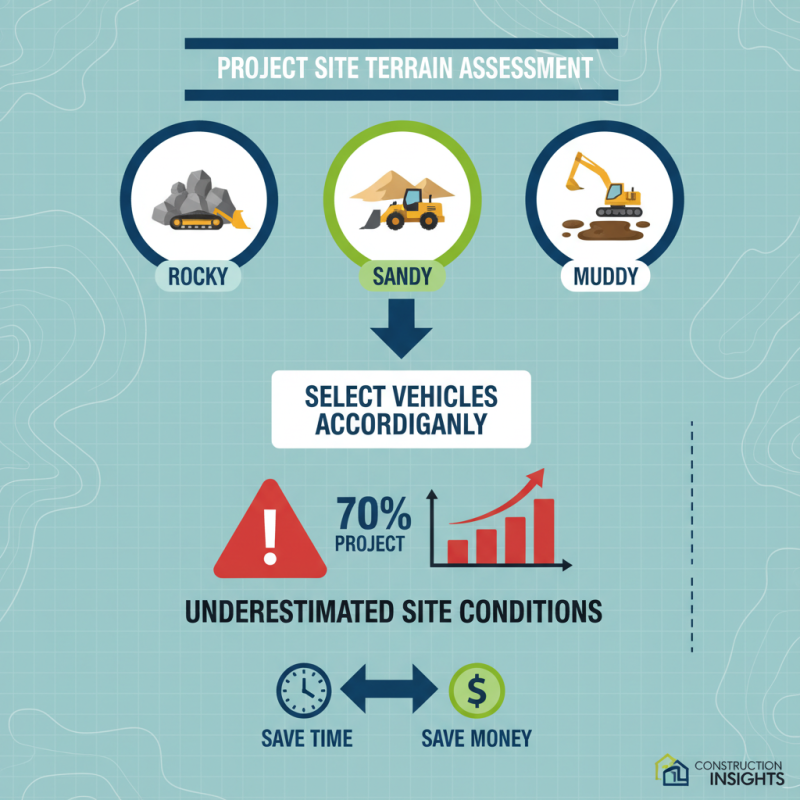
Evaluating the terrain and environment of your project site is crucial when selecting construction vehicles. Different terrains, such as rocky, sandy, or muddy landscapes, require specific machinery. According to a study by the Construction Industry Institute, 70% of project delays arise from underestimating site conditions. Thus, understanding your environment saves time and money.
For instance, a steep, hilly site may necessitate using all-terrain vehicles capable of navigating inclines. Conversely, flat areas can accommodate standard construction equipment. Environmental factors, like weather, play a significant role too. Heavy rainfall can hinder operations and affect machinery performance. Data from the National Weather Service indicates that equipment productivity can drop by 50% during adverse weather conditions.
Project managers must also consider soil composition. Poor soil can lead to vehicle instability or bogging down. A geotechnical survey can provide vital insights. However, resources often fall short, leading to miscalculations. Many projects overlook the importance of these assessments. Acknowledging these details will ultimately improve decision-making and enhance project outcomes.
Determining Budget Considerations for Construction Vehicle Selection
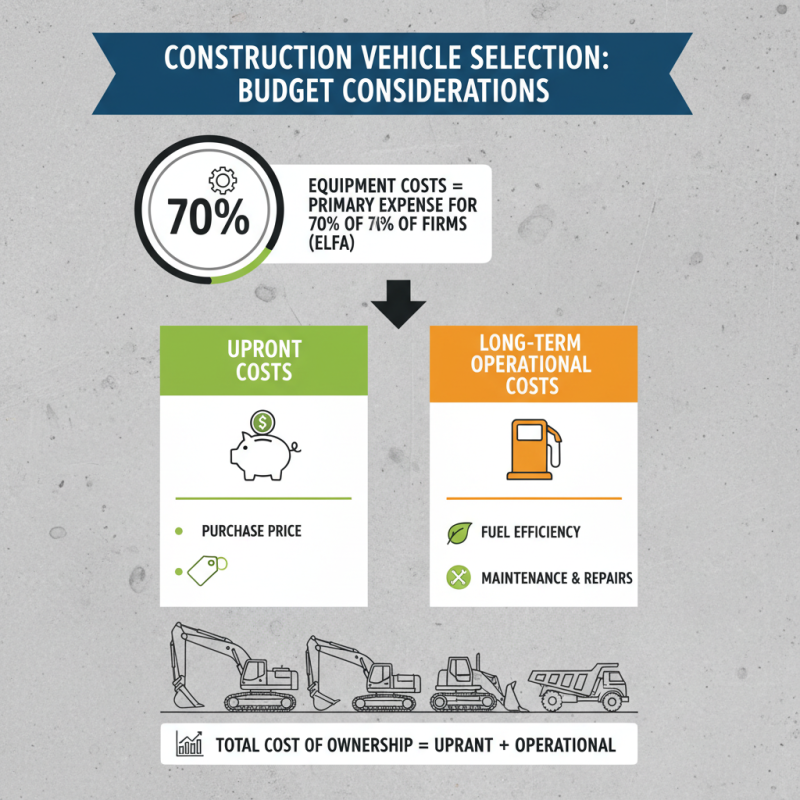
When selecting construction vehicles, budget considerations play a pivotal role. According to the Equipment Leasing and Finance Association (ELFA), about 70% of construction firms cite equipment costs as their primary expense. It's essential to evaluate not just the purchase price, but also operational expenses. For example, fuel efficiency can significantly impact long-term costs. A vehicle that is slightly cheaper upfront may require much more in fuel over its lifespan.
A detailed cost-benefit analysis can aid in decision-making. Should you opt for new or used vehicles? The Association of Equipment Manufacturers suggests that used vehicles can save you 20-40% initially but may come with hidden costs, such as repairs. Maintenance history should be a priority when considering pre-owned options.
Interestingly, many businesses allocate 10-15% of their overall project budget to equipment. This percentage reflects the growing trend towards investing in advanced technology. Integrating smart vehicles can increase productivity but requires more initial investment. Balancing innovation with budget constraints is crucial. A well-studied approach often reveals that cutting-edge vehicles can ultimately save money through higher efficiency and reduced downtime.
Exploring Rental vs. Purchase Options for Construction Equipment
When considering construction vehicles for a project, the decision between rental and purchase is crucial. Rental options often provide flexibility. According to a report from the Associated General Contractors of America, about 50% of contractors opted for rentals last year. This choice allows access to the latest equipment without the burden of long-term ownership costs.
Purchasing equipment can lead to higher upfront investments. However, ownership can offer consistent availability for ongoing projects. Studies show that purchasing heavy machinery can save up to 20% over time when used frequently. Yet, this route comes with maintenance responsibilities. A poorly maintained vehicle can incur significant repair costs, leading to project delays.
Deciding between rental and purchase will depend on project scope and duration. Equipment needs vary, and contractors often face unexpected challenges. For example, a sudden increase in project demands might necessitate quick access to additional vehicles. This unpredictability makes rental agreements appealing. Contractors should evaluate their operational needs carefully. Each decision can lead to financial implications that require ongoing reflection and adjustment.

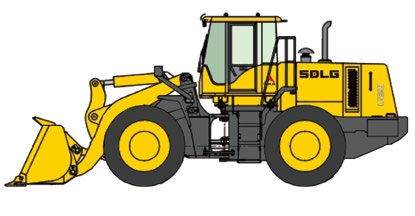 Wheel Loader
  Excavator
 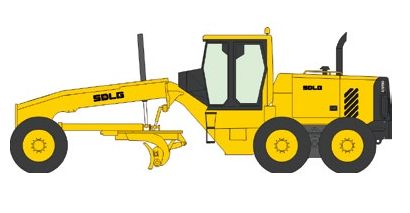 Motor Grader
 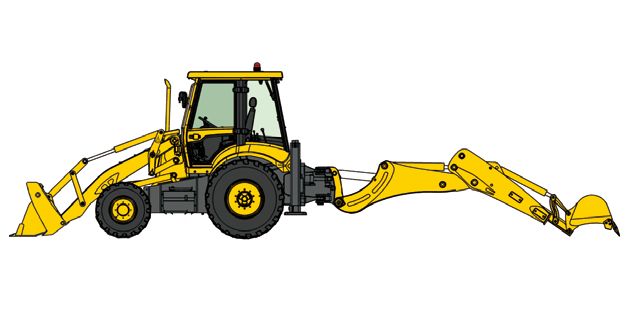 Backhoe Loader
 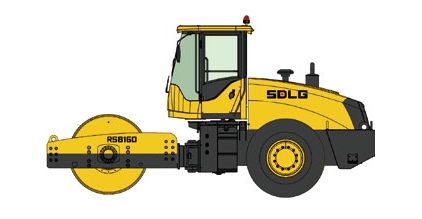 Road Roller
  Spare Parts