Top Local Excavators in China for Global Buyers?
The Chinese local excavators market is seeing significant growth. According to a report by MarketWatch, the global construction equipment market is projected to reach $200 billion by 2027. Local excavators play a crucial role in meeting this demand. They are increasingly favored for their cost-efficiency and adaptability.
Many global buyers are looking for reliable suppliers in China. Local excavators are known for their advanced technology and durability. A study from IBISWorld highlights that efficiency and low maintenance have made them a top choice. However, quality consistency remains a concern in some instances.
Understanding the local excavators landscape is essential for international procurement. Buyers must evaluate different brands and models. Not all local excavators will fit every project requirement. Due diligence is vital to ensure that the equipment meets international safety standards. As the market evolves, staying informed about local manufacturers will benefit global buyers.
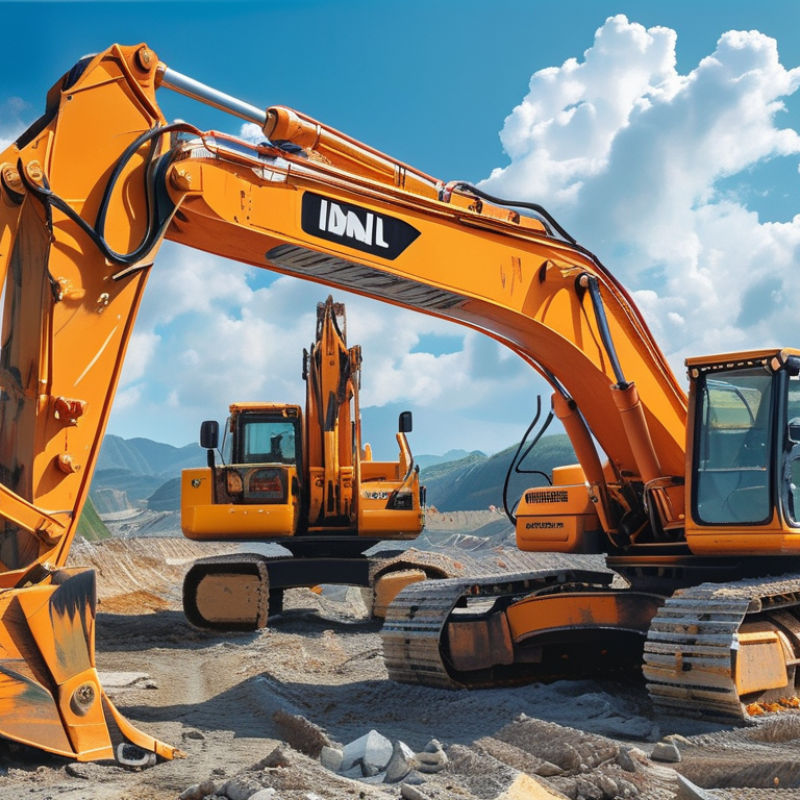
Top Local Excavators in China for Global Buyers
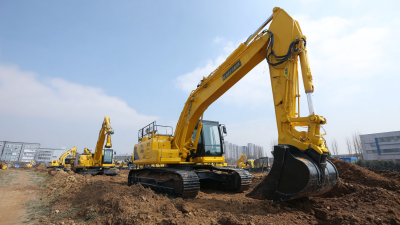
When seeking top local excavators in China, global buyers must consider various factors. Understanding regional specialties and technical capabilities is crucial. Many excavators are designed for specific tasks, from urban construction to mining. Local manufacturers often focus on innovation and efficiency, adapting to diverse market needs.
The landscape can be mixed. Some excavators may excel in performance but lack essential features. Buyers might find discrepancies in support services, impacting long-term satisfaction. In addition, prices may vary significantly between regions and manufacturers. Exploring these differences can lead to better purchasing decisions.
potential buyers should also be aware of the importance of after-sales service. Effective communication and support can often determine the overall experience. Additionally, conducting thorough research on local regulations can prevent future complications. Buyers need to be diligent and ask the right questions.
Top Local Excavators in China for Global Buyers
| Model |
Weight (ton) |
Engine Power (HP) |
Bucket Capacity (m³) |
Max Digging Depth (m) |
Operating Radius (m) |
| Excavator A |
20 |
150 |
1.2 |
6.5 |
8.0 |
| Excavator B |
25 |
180 |
1.5 |
7.0 |
9.5 |
| Excavator C |
30 |
220 |
1.8 |
8.5 |
10.0 |
| Excavator D |
35 |
250 |
2.0 |
9.0 |
11.0 |
Overview of China's Excavator Industry and Market Trends
The excavator industry in China is rapidly evolving. According to the China Construction Machinery Association, the country accounted for over 60% of global excavator sales in 2022. This trend highlights China's dominance in this sector. As infrastructure projects expand, demand for versatile and efficient excavators is on the rise.
In 2023, sales of excavators in China are projected to reach 230,000 units. This growth raises questions about sustainability and market stability. Many manufacturers are now focusing on eco-friendly designs to meet increasing environmental standards. However, not all companies can keep up with these changes, leaving some at a disadvantage.
The market is experiencing shifts due to international trade dynamics. Export opportunities are increasing, driven by the Belt and Road Initiative. Meanwhile, domestic competition intensifies, leading to price fluctuations. Some firms struggle to maintain profitability in this challenging landscape. Data from industry reports show that innovation is critical, yet many players lack investment in R&D, which could undermine their long-term growth prospects. The situation calls for reflection on strategy priorities.
Key Features and Innovations in Chinese Excavators
Chinese excavators are increasingly appealing to global buyers due to
notable innovations and features. A recent industry report highlights that Chinese manufacturers have
increased their market share by over 15% in the last few years.
This surge can be attributed to advanced engineering and cost-effective production methods.
One of the key features of modern Chinese excavators is enhanced fuel efficiency.
Many models now incorporate hybrid technology. These machines can reduce fuel consumption by
up to 30%. Moreover, integrated GPS systems are becoming standard,
allowing operators to maximize precision and productivity. Reports suggest that improved automation in these excavators also
leads to fewer operational errors.
Despite these advancements, challenges remain. Some buyers express concerns about long-term durability and
after-sales service. While many excavators meet industry standards,
the consistency of quality varies among manufacturers. Continuous improvement in customer support and maintenance services
is essential for sustaining buyer confidence. Overall, the evolution of excavators in China reflects a balance of
innovation and introspection.
Leading Domestic Manufacturers and Their Global Impact
China's excavation industry showcases remarkable growth and innovation. Local manufacturers demonstrate an impressive ability to produce advanced equipment. Their focus on high-quality standards elevates the competitiveness of their products globally. These companies cater to various sectors, including construction, mining, and infrastructure.
One area where they excel is in developing eco-friendly machinery. Pioneering technology minimizes environmental impact while improving efficiency. This dual focus on sustainability and productivity resonates with global buyers' values. Many manufacturers have adopted practices that promote energy efficiency and reduce waste.
However, there are challenges. Global buyers often seek certifications that affirm quality and safety. Differences in standards can cause friction. Furthermore, understanding regional market needs remains a work in progress for some companies. As the landscape evolves, these firms must balance innovation and market demands. Continuous learning and adaptation are essential to thrive in the global arena.
Comparative Analysis of Price and Quality Among Local Brands
When exploring local excavators in China, buyers face a challenging landscape. Price and quality can vary significantly among brands. Buyers may find lower prices, but these often raise questions about the quality of materials and technology used. High-quality excavators typically use durable components, ensuring longevity. However, lower-priced options might compromise on these critical factors.
Tips: Always ask for detailed specifications. Comparing the weight of the excavators can reveal insights into their quality. Lighter machines may indicate the use of cheaper materials, leading to concerns about durability.
Researching user reviews is essential. Positive feedback helps identify reliable brands. However, be cautious of overly promotional content that lacks substance. Some buyers find local brands lacking in after-sales service, which can affect overall satisfaction. Gathering insights about warranty terms and customer support is vital. Understanding the service network can save buyers from future headaches.
Conclusion
The article "Top Local Excavators in China for Global Buyers" provides an insightful overview of the thriving excavator industry in China, highlighting key market trends and innovations that have shaped its growth. It emphasizes the advanced features of local excavators, which cater to diverse buyer demands and improve operational efficiency.
Moreover, the article discusses leading domestic manufacturers and their significant influence on the global market, as well as a comparative analysis of price and quality among various local brands. It identifies the challenges and opportunities that foreign buyers face when navigating the complex landscape of local excavators in China, making it a valuable resource for understanding the potential and pitfalls of sourcing excavators from this dynamic market.
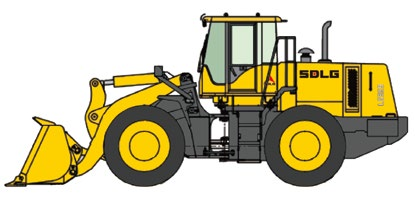 Wheel Loader
 Excavator
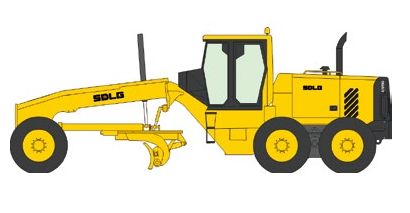 Motor Grader
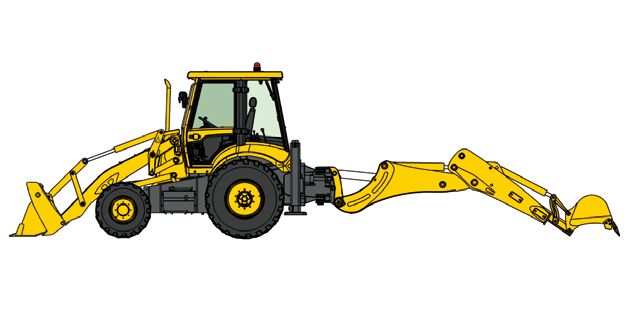 Backhoe Loader
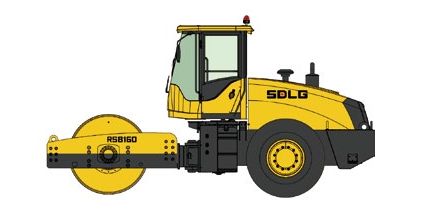 Road Roller
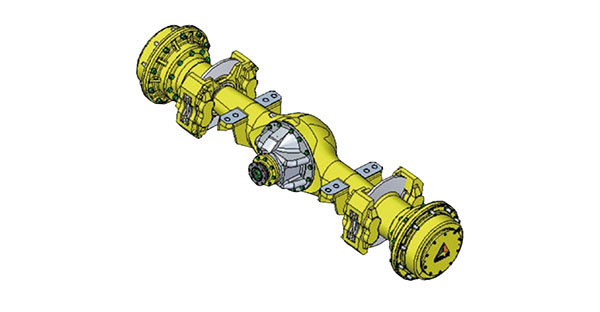 Spare Parts