Top 10 Excavation Equipment You Need to Know About?
Excavation Equipment is crucial in various construction projects, enabling efficient and precise earth-moving operations. According to the latest industry report from Grand View Research, the global excavator market is projected to reach $50.7 billion by 2027, growing at a CAGR of 6.4%. This significant growth highlights the increasing demand for advanced machinery in construction.
Understanding the top excavation equipment can significantly impact project timelines and budgets. For instance, the use of hydraulic excavators has improved efficiency by up to 20% compared to older models. However, with advancements come challenges. Operators must be adequately trained to handle complex machines, and maintenance is often overlooked. Failing to prioritize these aspects can lead to costly downtime and safety risks.
As we explore the essential excavation equipment, it’s vital to acknowledge that not all tools are suitable for every project. Customizing your equipment choice to match specific job requirements can optimize performance. Construction professionals must stay informed about the latest innovations and trends to make the best decisions for their projects.
Types of Excavation Equipment and Their Uses
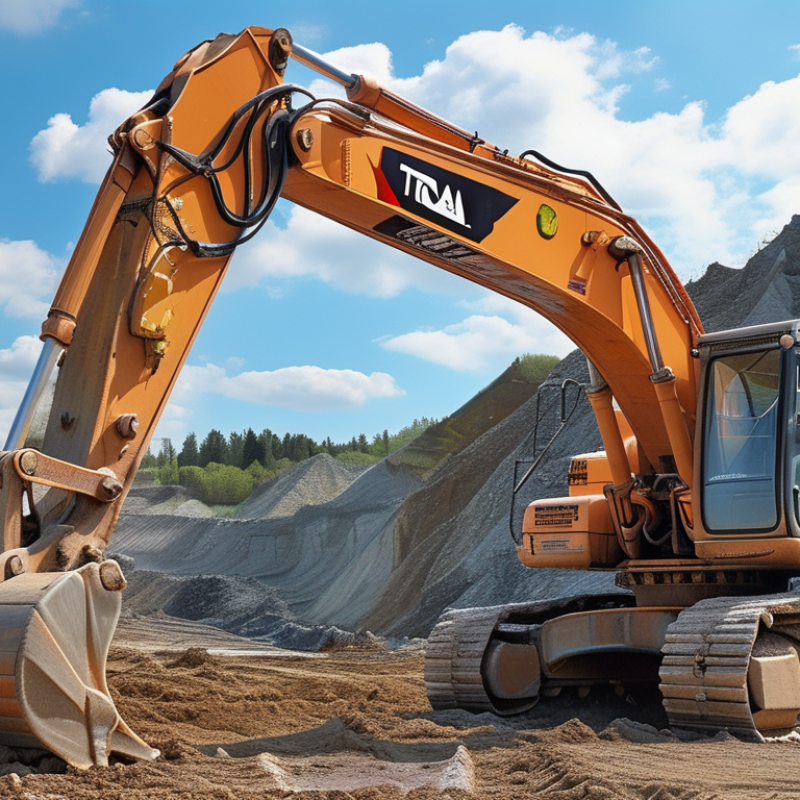
Excavation equipment plays a crucial role in construction and landscaping. Various types exist, each serving specific purposes. For instance, excavators are essential for digging trenches or foundations. They can rotate 360 degrees, making them versatile for different tasks. Skid steer loaders are compact yet powerful. They can maneuver easily in tight spaces, useful for smaller projects.
Bulldozers are great for pushing large volumes of material. They can level out land efficiently. Backhoes combine a loader and a digger, offering flexibility. These machines are handy for digging and transporting materials on-site.
Understanding how each piece functions is vital for maximizing efficiency. Operators should consider the terrain and project requirements before choosing equipment. Misuse can lead to accidents or inefficiencies. Regular maintenance is also necessary to prevent breakdowns. Proper training ensures smooth operation and enhances safety on-site.
Key Features to Consider When Choosing Excavation Equipment
When selecting excavation equipment, several key features must be prioritized. Weight and size are critical factors. Lighter machines are easier to transport, while heavier models may increase productivity. According to industry reports, a well-balanced weight distribution can enhance stability, reducing the risk of tipping during operation.
Another consideration is power supply. Diesel engines often provide higher torque than electric ones, making them suitable for demanding tasks. In contrast, electric machines are quieter and more environmentally friendly. A 2022 market analysis indicated that electric equipment sales have increased by 30% compared to diesel counterparts, reflecting a growing trend towards sustainability.
Maintenance is also vital. Regular inspections can prevent costly downtime. A study revealed that poorly maintained machines increase operational costs by 40%. Operators should also evaluate the availability of spare parts and support services. Overall, choosing the right equipment requires weighing these features against project needs and budget constraints.
Top 10 Excavation Equipment You Need to Know About
Maintenance Tips for Ensuring Equipment Longevity
Proper maintenance of excavation equipment is crucial for durability and efficiency. Regular inspections can help identify issues early. Look for leaks, unusual noises, or vibrations. Addressing these signs promptly can prevent costly repairs down the line.
Cleaning equipment after each use is essential. Dirt and debris can cause wear and tear. Ensure that all parts are clear of mud and materials. Insulating sensitive components from exposure to harsh conditions can extend lifespan. Lubrication is equally important; maintain all moving parts to minimize friction and overheating.
Operators play a vital role in equipment longevity. Training them on proper handling techniques reduces misuse. Encouraging a culture of care can foster responsibility. It's also worthwhile to reflect on maintenance logs. Keeping records can help identify patterns and recurring issues. Recognizing these trends assists in making informed decisions for future maintenance needs.
Top 10 Excavation Equipment You Need to Know About - Maintenance Tips for Ensuring Equipment Longevity
| Equipment Type |
Common Maintenance Tips |
Expected Lifespan (Years) |
Usage (hours/week) |
| Excavator |
Check hydraulic fluid regularly, clean filters, inspect tracks. |
10-15 |
30-40 |
| Bulldozer |
Lubricate joints, maintain blade sharpness, check undercarriage. |
10-20 |
20-30 |
| Backhoe Loader |
Inspect front and rear buckets, check oil levels, clean radiators. |
10-15 |
25-35 |
| Skid Steer Loader |
Regularly check tires, clean oil cooler, inspect hydraulic hoses. |
8-12 |
30-50 |
| Trencher |
Check the chain tension, lubricate moving parts, inspect trenching teeth. |
8-15 |
15-25 |
| Excavation Dump Truck |
Inspect brakes, check lights, maintain hydraulic systems. |
10-20 |
20-30 |
| Compactor |
Check fuel systems, clean air filters, inspect vibratory system. |
8-12 |
15-25 |
| Wheel Loader |
Check coolant levels, inspect bucket linkage, lubricate pivot points. |
10-20 |
20-40 |
| Concrete Mixer |
Inspect drum for cracks, check hydraulic components, clean after use. |
8-15 |
20-30 |
| Pile Driver |
Check hammer alignment, inspect driving head, maintain fluid levels. |
10-15 |
15-25 |
Safety Practices for Operating Excavation Machinery
Operating excavation machinery poses significant safety risks. According to the Occupational Safety and Health Administration (OSHA), excavations are among the most hazardous construction activities, accounting for about 20% of all construction fatalities. Training operators is essential. Regular safety drills can enhance awareness and preparedness.
Proper personal protective equipment (PPE) must be used. Helmets, gloves, and steel-toed boots are critical. A study by the National Institute for Occupational Safety and Health (NIOSH) highlights that using PPE can reduce injury rates by up to 30%. Equipment maintenance is equally crucial. Operators should ensure machinery is functioning well before any task. Regular checks can prevent accidents related to equipment failure.
One common oversight is inadequate site assessment. Operators may skip analyzing soil conditions, leading to cave-ins. Reports show that 75% of excavation-related fatalities stem from such incidents. This emphasizes the need for thorough soil tests and vigilant monitoring of site stability. Safety practices require constant evaluation and adaptation in the field. Continuous improvement is vital. Regular feedback and incident reviews can guide safer operation methods.
Future Trends in Excavation Technology and Innovation
The excavation industry is evolving, influenced by technological advancements. Innovations such as automation and artificial intelligence are reshaping this field. Operators are now equipped with smart systems that enhance precision and safety. These technologies streamline operations, minimize human error, and boost productivity in challenging environments.
Remote-controlled excavators are gaining popularity. They allow operators to work from safe distances, reducing risks in hazardous situations. Such equipment relies heavily on real-time data analytics. This data informs decisions, improving efficiency. However, one challenge remains: the high initial investment for such advanced machinery can be a barrier for many companies.
Sustainability is another growing trend. Eco-friendly machines that consume less fuel and produce fewer emissions are on the rise. Companies are integrating renewable energy sources into their fleets. Yet, manufacturers face challenges in striking a balance between performance and environmental impact. Adapting to these future trends requires ongoing research and development, as well as a willingness to change traditional practices.

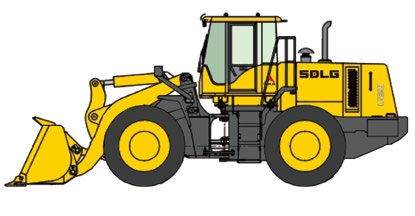 Wheel Loader
  Excavator
 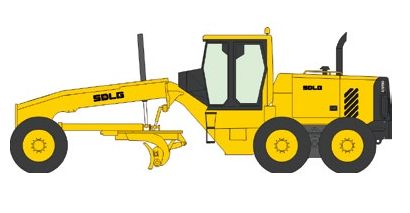 Motor Grader
 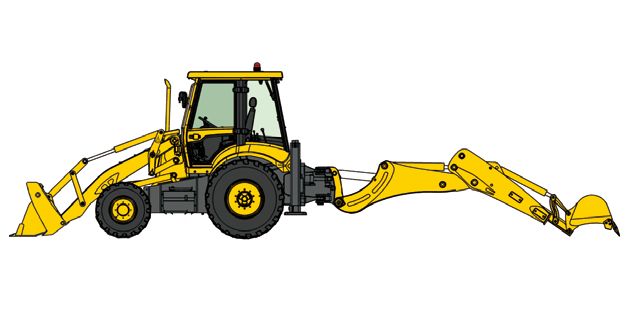 Backhoe Loader
 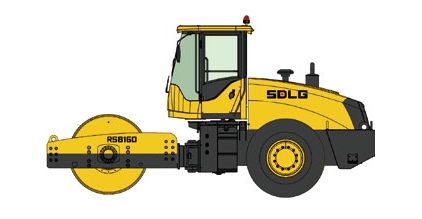 Road Roller
  Spare Parts