Best Heavy Machinery for Your Global Procurement Needs?
In the competitive world of global procurement, selecting the right Heavy Machinery is crucial. According to John Mitchell, a renowned expert in the Heavy Machinery industry, “Choosing the right equipment can make or break a project.” This insight reflects the pivotal role Heavy Machinery plays in both efficiency and productivity.
Heavy Machinery encompasses various equipment types, each serving a specific purpose. From excavators to cranes, understanding their applications is vital. Businesses often grapple with the challenge of sourcing reliable and durable machinery. In the fast-paced industry, even small mistakes can lead to significant setbacks.
While many procurement teams strive for efficiency, they often overlook critical factors, such as maintenance and vendor reputation. It's important to consider not just price but also the long-term value of the equipment. Navigating this landscape requires both expertise and a willingness to learn from past decisions. Choosing wisely can enhance operational capability but may require more reflection than anticipated.
Overview of Heavy Machinery Used in Global Procurement
Heavy machinery plays a crucial role in global procurement. This equipment is essential for construction, mining, and logistics operations. According to a recent industry report, the global heavy machinery market is expected to reach $200 billion by 2026. This growth is driven by rising infrastructure investments worldwide and the increasing demand for sustainable practices.
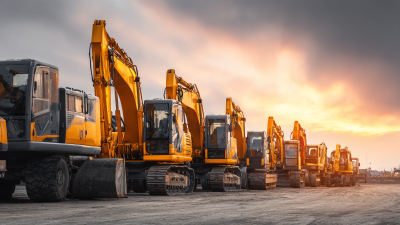
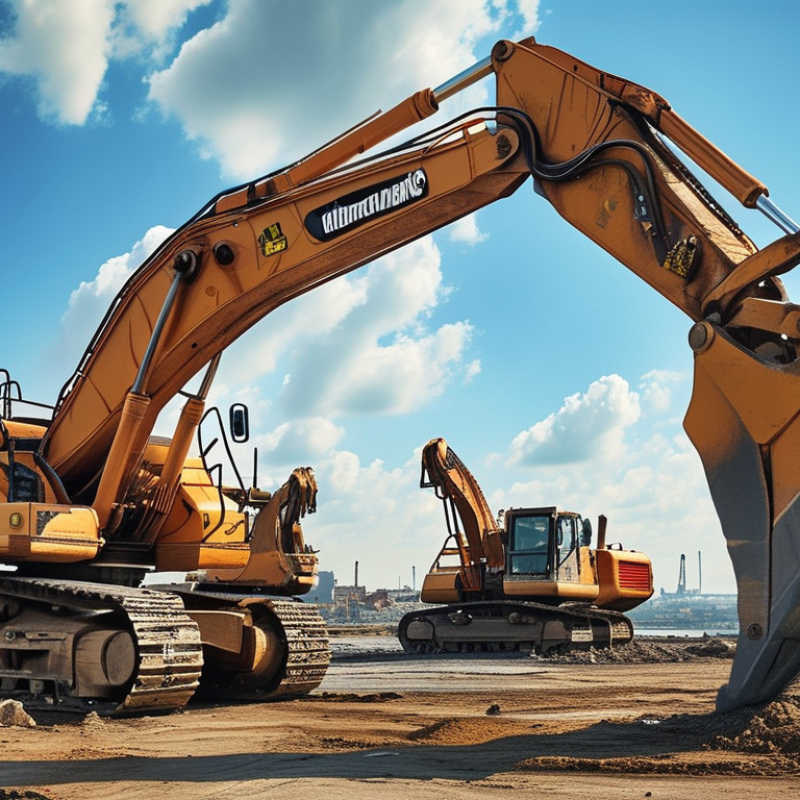
Excavators, cranes, and bulldozers are fundamental in various projects. Excavators are incredibly versatile, used for digging and material handling. Cranes support heavy lifting, particularly in urban construction. However, reliance on this machinery poses challenges, such as maintenance and skilled operator shortages. The American Society of Civil Engineers highlights that 30% of projects face delays due to equipment issues.
Additionally, adopting advanced technologies boosts efficiency. Automation and telematics help track performance and reduce downtime. Despite these positives, integrating new technologies can be daunting. It requires training and can lead to temporary productivity drops. Striking a balance between traditional machinery and innovation is key to enhancing procurement efficiency.
Key Factors to Consider in Selecting Heavy Machinery
When selecting heavy machinery for global procurement, several key factors come into play. Reliability is crucial. Machines must withstand demanding conditions and perform consistently. Comprehensive warranties can provide peace of mind. Researching maintenance availability in regions of operation is also essential. If parts and service are scarce, even the best machines can become liabilities.
Another important aspect is compatibility with local regulations. Different countries have diverse environmental and safety standards. Machines should meet or exceed these requirements. This helps avoid costly fines or project delays. It's wise to consult local experts who understand regional guidelines.
Cost is always a consideration. However, the cheapest option often leads to hidden problems. Long-term operational costs can overshadow initial savings. Consider fuel efficiency, spare parts prices, and the machine's resale value. Investing in high-quality machinery can enhance productivity and minimize disruptions. Balancing cost with reliability and compliance is key to successful procurement.
Top Brands and Models for Heavy Machinery Procurement
When it comes to heavy machinery procurement, choosing the right brands and models is essential. Various manufacturers offer unique advantages suited for different applications. Popular types of heavy machinery include excavators, bulldozers, and loaders. Each category has its own set of models with distinct features, capabilities, and durability.
Excavators are critical for excavation work. Some models excel in tight spaces, while others are designed for heavy lifting. It is vital to evaluate whether your needs lean towards compact models or more robust options. The importance of fuel efficiency cannot be overlooked either. A machine that consumes less fuel can lead to substantial cost savings over time.
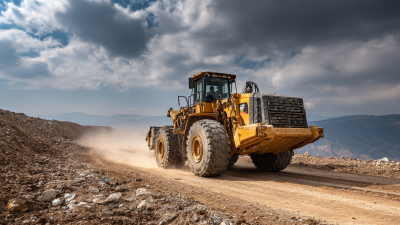
Bulldozers are invaluable on construction sites. They must be robust for rough terrain. However, ease of maintenance also plays a significant role in long-term operations. Operators sometimes face challenges with accessibility to parts. Meanwhile, loaders are versatile and used in various settings. They vary in size and load capabilities, each with its pros and cons. Balancing power and handling is key when selecting a loader. This requires careful analysis of your specific tasks and expectations.
Best Heavy Machinery Brands for Global Procurement
Understanding Regulations and Compliance for Heavy Machinery
Understanding regulations and compliance for heavy machinery is crucial for global procurement. Each country has specific rules governing machinery importation and operation. Compliance ensures that the machinery meets safety, environmental, and operational standards. Understanding these regulations can prevent costly delays and fines.
For instance, different nations may have unique certifications for heavy machinery. Some require rigorous testing and documentation before import. Failing to meet these requirements can lead to penalties or even confiscation of equipment. It is essential to stay updated on these regulations, as they can change frequently.
Procurement teams should engage with local experts. They can offer invaluable insights into navigating compliance hurdles. It's common for businesses to underestimate these complexities. Investing time in understanding regulations can save money and protect your reputation. Non-compliance not only disrupts logistics but could also harm relationships with clients. Prioritizing compliance is therefore a strategic move for any global procurement operation.
Cost Analysis and Budgeting for Heavy Machinery Investment
Investing in heavy machinery requires careful cost analysis and budgeting. Heavy machinery is often a significant part of operational expenses. Understanding the total cost of ownership is crucial for decision-making. This includes purchase price, maintenance, and operational costs.
When analyzing costs, consider both direct and indirect expenses. Direct costs are easy to identify, like purchase and servicing. Indirect costs, however, can be more elusive. These might include downtime, training employees, and insurance. Failing to account for these can lead to budget overruns.
Consider the lifecycle of the equipment. It often stretches beyond the initial purchase phase. Planning for depreciation is essential. Machinery may also become less efficient over time. This impacts your overall budget. Analyzing these factors will give you a clearer picture of your investment's potential.
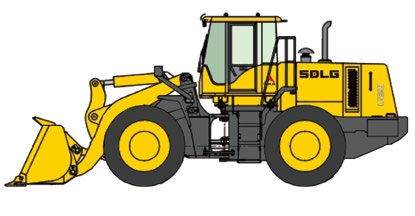 Wheel Loader
  Excavator
 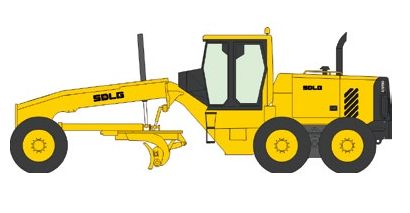 Motor Grader
 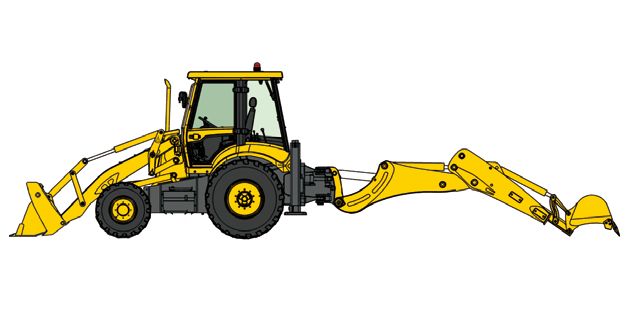 Backhoe Loader
 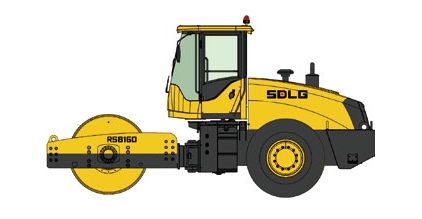 Road Roller
  Spare Parts