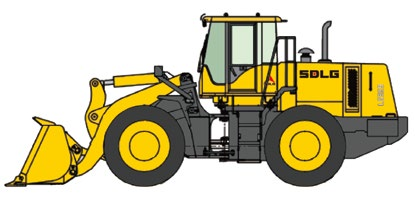
 Wheel Loader
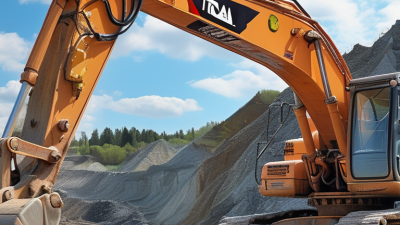
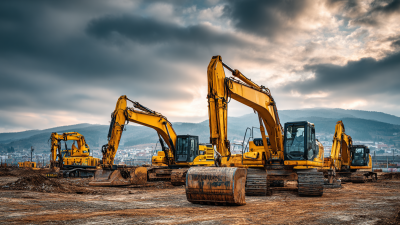
 Excavator
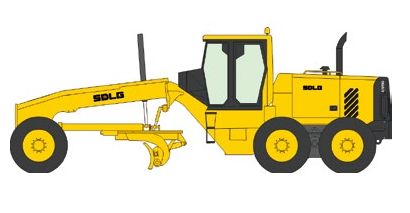 Motor Grader
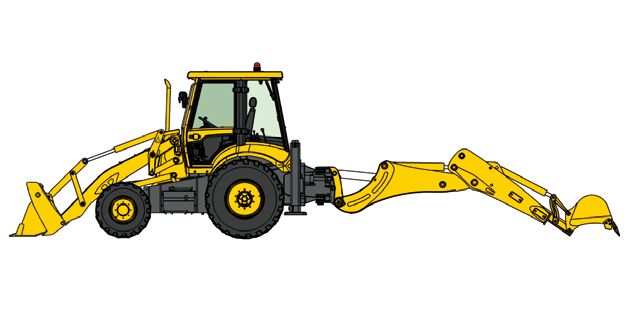 Backhoe Loader
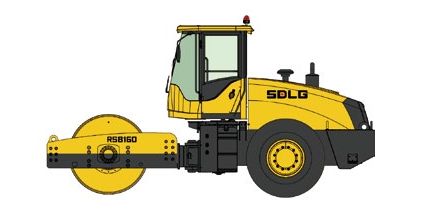 Road Roller
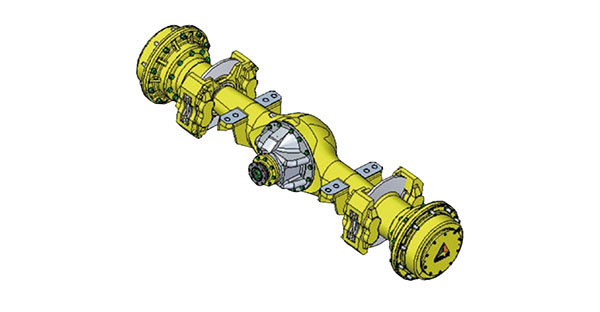 Spare Parts
Leave Your Message
Choosing among Construction Machines is less about buying the biggest model and more about matching a machine to the work. A compact excavator can turn neatly beside a fence, while a larger crawler excavator may move more earth but need wider access. Small details matter: bucket capacity, turning radius, transport weight, and parts availability can change a purchase’s real value.
Caterpillar chairman and CEO Jim Umpleby has described the company’s purpose this way: “Our purpose is to help our customers build a better world.” For buyers, that goal starts with practical choices. This guide examines ten widely used machine types, including excavators, wheel loaders, bulldozers, skid steers, and cranes. It considers common applications, key advantages, and factors that affect ownership costs. Numbers can mislead. A high-capacity machine may spend too much time idle on a small site.
The right shortlist depends on your projects, operators, ground conditions, and maintenance support. Check service access. Ask about fuel use and wear parts. Compare specifications, but also ask dealers for clear information about warranty coverage and local support. Even a careful list has limits: models differ, and site conditions are rarely tidy. A machine that performs well on firm ground may struggle in mud or cramped urban space. Use these ten categories as a starting point, then confirm each choice against your actual workload.
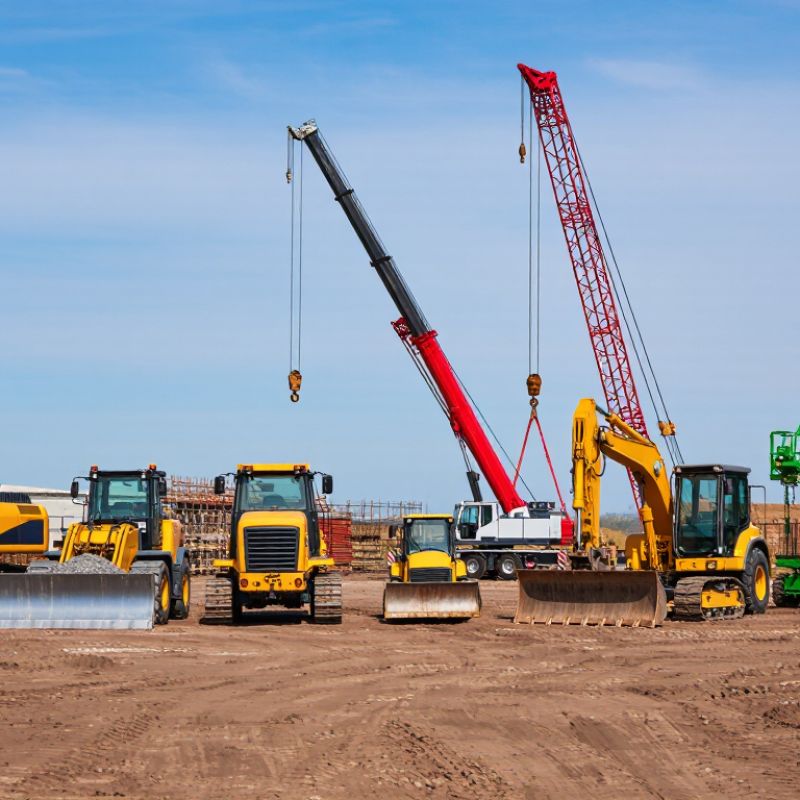
Buyers should define the job before comparing machine types. A compact excavator may fit a narrow urban site, while a wheel loader suits repeated stockpile handling. Record load weights, digging depth, ground conditions, travel distance, and daily operating hours. Then compare machines by usable capacity, transport limits, fuel use, maintenance access, and attachment compatibility. Small details matter.
Operator availability also changes the calculation. Associated Builders and Contractors estimated that the US construction industry needed 501,000 additional workers in 2024, beyond normal hiring, to meet demand. That estimate makes ease of operation and crew flexibility practical buying factors, not just comfort features. The US Bureau of Labor Statistics projects 4% employment growth for construction equipment operators from 2023 to 2033, with about 46,300 openings each year. Check local skills, too. A machine that crews cannot operate confidently may spend more time parked than planned.
Compare total cost over the expected project life, including delivery, fuel, routine service, wear parts, and downtime. Ask suppliers for documented service intervals and realistic productivity assumptions, then test those assumptions against your own site conditions. A spreadsheet can look convincing. It is not proof. Buyers sometimes overvalue peak capacity and overlook turning space, ground pressure, or attachment-change time. That is worth revisiting before signing. Sources: ABC, 2024 Workforce Shortage Estimate; US Bureau of Labor Statistics, Occupational Outlook Handbook, Construction Equipment Operators.
| Machine | Typical Project Use | Useful Planning Range | Best Fit | Key Buyer Checks | Main Trade-Off |
|---|---|---|---|---|---|
| Hydraulic Excavator | Digging foundations and trenches, loading soil, demolition, and material handling with suitable attachments. | Compact models often weigh about 1–6 tonnes; larger general-purpose models commonly range from roughly 20–35 tonnes. Reach and digging depth vary by configuration. | Projects requiring versatile digging and frequent attachment changes. | Check operating weight, digging depth, reach, bucket capacity, tail-swing clearance, ground pressure, hydraulic flow, and transport limits. | Larger machines offer more reach and productivity but need more transport capacity, working space, and fuel. |
| Wheel Loader | Loading aggregates, soil, and other bulk materials; stockpile management; and short-distance site hauling. | Bucket capacities range widely, from around 1 m³ on compact machines to several cubic metres on larger loaders. | Sites with frequent loading into trucks or handling of loose materials on firm ground. | Match bucket size to material density and truck height; assess tipping load, breakout force, turning radius, tires, and visibility. | Fast and maneuverable on suitable surfaces, but less effective than tracked equipment on very soft or steep ground. |
| Bulldozer | Bulk earthmoving, site clearing, spreading fill, rough grading, and pushing material over short distances. | Small, medium, and large classes are selected by operating weight and blade capacity; production depends strongly on soil, haul distance, and slope. | Large earthworks and projects that require sustained pushing or tracked traction. | Evaluate blade type and capacity, track configuration, ground pressure, slope capability, visibility, and transport requirements. | Strong traction and pushing ability, but not designed for efficient long-distance hauling or precise finish grading. |
| Backhoe Loader | Trenching, small excavations, utility work, loading, and general maintenance with front and rear attachments. | Usually combines a front loader bucket with a rear excavating arm; actual digging depth and bucket capacity depend on the model and configuration. | Small to medium projects where one machine must perform several tasks and travel between work areas. | Check digging depth, stabilizer setup, front bucket capacity, road travel rules, attachment compatibility, and operator access. | Versatile and road-mobile, but generally less productive than dedicated excavators or loaders for continuous heavy-duty work. |
| Motor Grader | Fine grading, shaping road surfaces, maintaining haul roads, and forming drainage slopes. | Commonly fitted with a long central moldboard; blade length, articulation, and machine weight vary by class. | Road construction and sites requiring accurate, consistent surface profiles over long runs. | Assess moldboard length, steering and articulation, visibility, grade-control compatibility, tire configuration, and service access. | Excellent for controlled grading, but specialized and less useful for bulk excavation or loading. |
| Articulated Dump Truck | Moving excavated soil, rock, and fill across uneven or soft ground. | Payloads commonly span approximately 25–45 tonnes in many large site-hauling classes; confirm the rated payload for the selected configuration. | Earthmoving sites with rough haul roads, variable terrain, and longer internal haul distances. | Compare payload, body volume, turning radius, gradeability, tire options, fuel use, and compatibility with the loading excavator. | Performs well on rough ground, but operating cost and cycle efficiency depend heavily on haul-road condition and travel distance. |
| Compactor or Roller | Compacting soil, granular base, asphalt, or landfill material, depending on drum type and configuration. | Equipment ranges from light walk-behind units to heavy ride-on rollers; drum width, operating weight, and vibration settings vary substantially. | Road building, foundations, embankments, and other work requiring specified compaction. | Identify material type, required density, lift thickness, drum type, vibration frequency and amplitude, and testing method. | Material-specific selection is essential; an unsuitable drum or compaction setting can produce poor results or damage the surface. |
| Telehandler | Lifting and placing pallets, building materials, and equipment at height or beyond the machine chassis. | Rated capacities commonly range from about 2–5 tonnes; maximum lift height varies widely, often from roughly 6 m to more than 17 m. | Building sites needing flexible material handling across changing elevations and access conditions. | Use the load chart for the actual boom extension and attachment; check lift height, forward reach, stabilizers, ground conditions, and site access. | Flexible reach is useful, but rated capacity decreases as load height and forward reach increase. |
| Mobile Crane | Lifting structural components, equipment, and materials around construction sites. | Rated lifting capacities range from a few tonnes to several hundred tonnes, depending on crane type, boom, counterweight, and setup. | Projects requiring scheduled lifts at multiple locations or where a fixed crane is impractical. | Confirm load weight and radius, lift height, ground-bearing capacity, outrigger setup, access route, permits, and lift-plan requirements. | Can be relocated between lifts, but actual capacity depends on configuration and decreases as working radius increases. |
| Concrete Pump | Delivering fresh concrete from a mixer truck to a placement point, especially where direct truck access is limited. | Truck-mounted boom reach varies by unit; line pumps use pipelines or hoses and are selected for the required route and output. | Building pours, elevated placements, and jobs where concrete must be conveyed over distance or obstacles. | Check concrete mix and aggregate suitability, required output, horizontal and vertical reach, pipeline route, access, setup area, and cleaning needs. | Can speed placement and reduce manual handling, but requires suitable concrete, careful setup, and reliable coordination with delivery trucks. |
Planning note: Ranges are indicative and vary by machine class, configuration, attachments, material, and operating conditions. Compare manufacturer specifications and confirm site-specific requirements before purchase or rental.