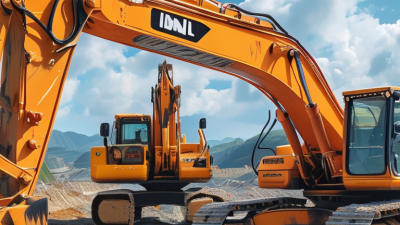
2026 Top Construction Vehicles for Global Buyers
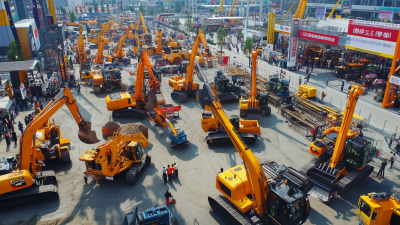
The 2026 construction market will demand more than powerful machines. Buyers will need dependable Construction Vehicles that reduce downtime, improve fuel efficiency, and meet changing jobsite requirements. Excavators, wheel loaders, dump trucks, cranes, and compact equipment now compete through technology, operating cost, and service support.
Industry data shows why careful selection matters. Off-Highway Research reported that global construction equipment sales reached record levels before market conditions began normalizing. Its analysis highlights uneven demand across regions, with infrastructure investment supporting some markets while housing weakness pressures others. The KHL Yellow Table also shows intense competition among leading manufacturers, especially in excavators, earthmoving equipment, and lifting machinery. These reports provide useful direction, but forecasts are not guarantees.
Emissions are another practical concern. The International Energy Agency continues to stress efficiency and electrification across heavy industries, while regional equipment standards are becoming more demanding. Electric mini excavators already work quietly on urban projects, yet large battery machines still face limitations in charging time, payload, and operating range. The right choice depends on soil conditions, transport distance, climate, operator skills, and local parts availability.
Small details matter.
A low purchase price can hide expensive maintenance. A highly connected fleet can still fail when network coverage is poor. This guide compares the leading 2026 Construction Vehicles through performance, durability, safety, technology, total ownership cost, and dealer support. Some rankings remain debatable, because public specifications rarely reveal long-term field performance. Real project experience should therefore challenge every brochure claim.
Construction Vehicles: Definition, Functions, and Global Market Roles
2026 Top Construction Vehicles for Global Buyers
Construction Vehicles: Definition, Functions, and Global Market Roles
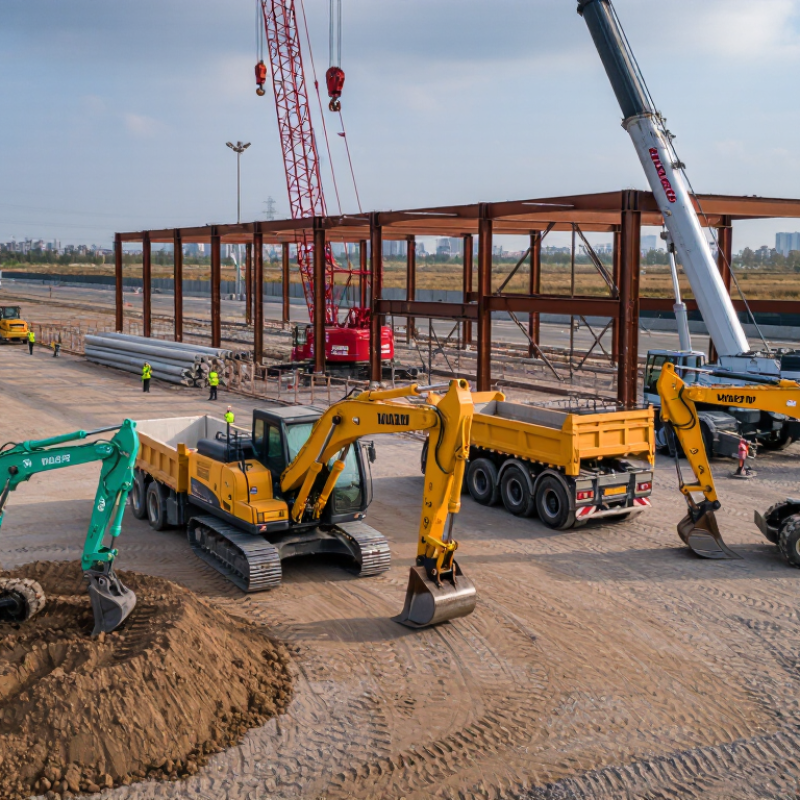
Construction vehicles are purpose-built machines that move, lift, dig, grade, compact, or transport materials. Common categories include excavators, wheel loaders, dump trucks, graders, cranes, and compactors. Their value extends beyond raw power. They reduce manual effort, improve site productivity, and help crews manage difficult terrain, heavy loads, and tight schedules. On a real project, an excavator may open a trench while a compactor prepares the base layer nearby. Their roles change across markets. Urban projects need quiet, maneuverable equipment, while remote sites often prioritize durability, fuel efficiency, and simple maintenance. Regional climate matters too. Dust, heat, rain, and freezing temperatures can affect filters, hydraulics, tires, and battery performance.
Tips: Match the vehicle to ground conditions, load size, access limits, and local service capacity. Check operator visibility, safety systems, spare-part availability, and total ownership cost. A low purchase price can become expensive after repeated downtime. Verify technical documents and performance claims through independent inspections. Local regulations also differ, so buyers should confirm emissions, transport, and operating requirements before delivery.
Procurement experience shows that specifications alone can mislead. A machine with excellent output may perform poorly on soft ground or narrow streets. Fuel savings may also depend on operator habits and workload. No selection is perfect. Buyers should record actual cycle times, maintenance delays, and weather impacts after deployment. That feedback improves later purchasing decisions and makes global fleet planning more realistic.
Main Types of Construction Vehicles and Their Core Applications
2026 Top Construction Vehicles for Global Buyers
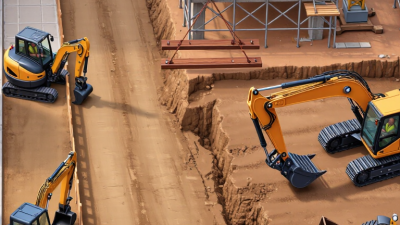
Construction vehicles should be selected by task, ground condition, and transport limits. Off-Highway Research’s Global Construction Equipment Market 2024 reported roughly 1.1 million construction machines sold worldwide in 2023. This scale reflects steady demand, but not universal suitability. Excavators handle trenching, foundations, and material loading. Their hydraulic power suits confined urban sites. Wheel loaders move aggregate quickly across prepared surfaces. Dozers spread, push, and level heavy material, especially during earthworks.
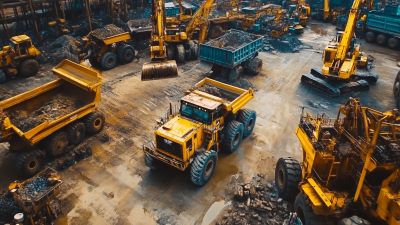
Dump trucks support high-volume hauling between excavation zones and stockpiles. Articulated models perform better on uneven ground, while rigid trucks suit stable, high-capacity routes. Motor graders create accurate road camber and drainage lines. Compaction rollers then reduce air gaps in soil and asphalt. A small error here can weaken an entire pavement structure. Cranes lift steel, precast elements, and mechanical equipment. Buyers must check rated capacity, reach, wind limits, and foundation pressure.
Energy use is becoming a purchasing concern. The International Energy Agency’s Global Energy Review 2024 noted that global electricity demand rose strongly in 2023, increasing pressure on efficient equipment. Electric compact machines can reduce local exhaust emissions, but charging access remains a practical weakness. Diesel units still offer longer operating flexibility on remote sites. That assumption may change quickly. Data from GlobalData’s Global Construction Outlook 2025–2029 also indicates continued infrastructure activity across several regions, although forecasts differ by market. Buyers should compare service support, spare-part availability, operator skill, and total lifecycle cost—not only the machine’s purchase price.
Key Performance Factors for Selecting Construction Vehicles in 2026
2026 Top Construction Vehicles for Global Buyers
Key Performance Factors for Selecting Construction Vehicles in 2026
In 2026, construction vehicle selection depends on jobsite evidence, not attractive brochures. Buyers should compare output, operating cost, safety, and service access together. A loader may show strong horsepower, yet its hydraulic cycle can feel slow under heavy loads. Measure the cycle.
Field tests should reflect local conditions, including steep ground, dust, heat, cold, and soft soil. Fuel or battery performance also changes with temperature and workload. Match the powertrain to daily duty cycles, charging access, and environmental requirements. Small details matter.
Telematics can track idle time, fuel use, fault codes, and maintenance hours. Useful systems provide clear data without creating extra work for operators. Check data ownership, cybersecurity controls, and offline functions before signing an agreement. Safety features deserve equal attention. Clear visibility, stable access steps, emergency controls, and operator-assistance systems reduce practical risks. Operators should test the controls themselves.
Total ownership cost includes purchase price, tires, energy, repairs, training, and downtime. Ask for maintenance intervals and realistic parts lead times. Local technical support can matter more than a small difference in engine output. I have seen equipment perform well during demonstrations but struggle when service access was limited. It is not perfect. A careful buyer should record test results, question optimistic claims, and leave room for unexpected site conditions.
2026 Top Construction Vehicles for Global Buyers
Key Performance Factors for Selecting Construction Vehicles in 2026
The chart compares representative nominal engine-power benchmarks for widely used construction vehicle categories. Higher power can support demanding excavation, loading, grading, and hauling tasks, but global buyers should also evaluate fuel efficiency, payload, operating weight, attachment compatibility, service access, emissions compliance, and total ownership cost. Actual specifications vary by configuration and operating environment.
Top Construction Vehicle Categories for Global Buyers
In 2026, global construction buyers are comparing vehicle categories, not just engine power.
Excavators remain essential for trenching, foundation work, and rock removal. Their value depends on hydraulic response, digging depth, attachment compatibility, and service access. A compact excavator can work beside a narrow urban road, while a large crawler excavator suits deep mining or major infrastructure projects.
Wheel loaders
move aggregate quickly between stockpiles and trucks.
Articulated dump trucks handle uneven ground, especially after heavy rain.
Rigid dump trucks usually perform better on prepared haul roads and high-volume sites.
Cranes and telehandlers support lifting tasks, but buyers must check rated capacity at different boom angles.
Road rollers, pavers, and motor graders help create stable surfaces with consistent thickness.
Small equipment matters too.
Skid steer loaders can clear debris in tight spaces.
Real purchasing experience shows that the cheapest machine rarely has the lowest ownership cost.
Buyers should examine fuel use, tire availability, operator visibility, maintenance intervals, safety systems, and local technical support.
Climate changes the decision: dust requires strong filtration, while humid regions demand corrosion protection.
Compliance with local emissions, noise, lifting, and transport rules is essential.
Specifications can look impressive on paper.
Field performance may disagree.
A trial on the buyer’s actual soil, slope, and workload is wiser than relying on a brochure.
No category fits every site.
Safety, Compliance, Maintenance, and Ownership Considerations
2026 Top Construction Vehicles for Global Buyers: Safety, Compliance, Maintenance, and Ownership Considerations
Safety begins with the operator’s daily view, not the brochure. Buyers should inspect sight lines, reversing alarms, access steps, emergency stops, and cab protection. In the United States, construction recorded 1,075 fatal work injuries in 2023, according to the Bureau of Labor Statistics. That represented about one-fifth of private-industry workplace deaths. Cameras help, but they do not replace trained spotters or disciplined site routes. Small oversights become expensive quickly.
Compliance also affects total ownership cost. Imported vehicles may need emissions, noise, lighting, and machine-safety verification in the destination market. European buyers should check Stage V requirements for non-road machinery, while other regions may apply different emission tiers. Documentation matters: serial numbers, conformity records, manuals, and inspection certificates should travel with the machine. The process is less exciting than purchasing, but missing paperwork can delay deployment.
Maintenance planning deserves equal attention. The ISO 55001:2024 asset-management framework emphasizes lifecycle value, risk control, and documented decisions. Buyers should compare service intervals, filter availability, diagnostic access, and local technician coverage before ordering. A machine that sits beside a muddy project road still costs money. I have seen maintenance schedules fail because they looked perfect in spreadsheets but ignored dust, heat, and weak parts supply. That is a useful warning. Remote monitoring can identify rising temperatures or abnormal fuel use, yet data quality remains imperfect. Keep inspection logs, test alerts, and budget for unplanned repairs.

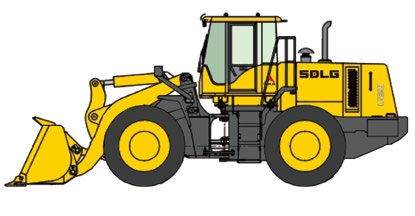 Wheel Loader
  Excavator
 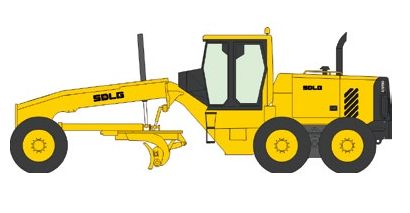 Motor Grader
 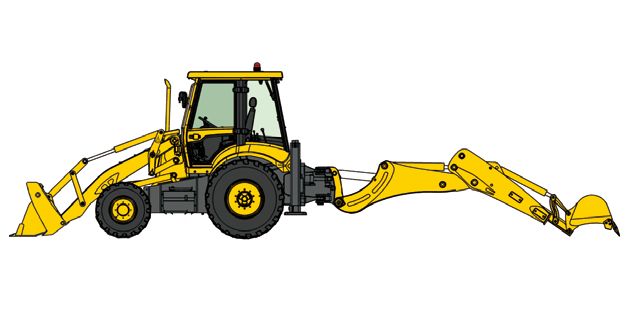 Backhoe Loader
 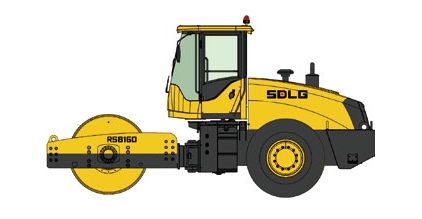 Road Roller
 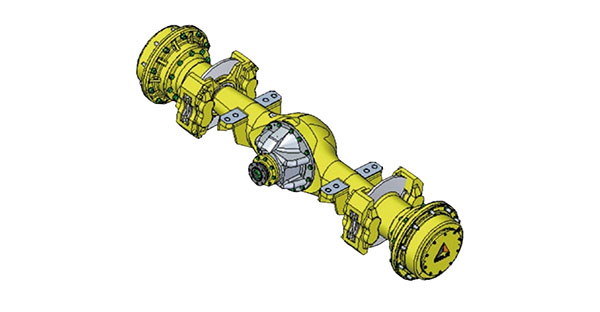 Spare Parts