Leave Your Message

How to Choose the Right Construction Machines?

Choosing the right Construction Machines begins with the worksite, not the equipment catalogue. Soil type, load weight, access width, working height, and project duration should guide every decision. A compact excavator may suit a narrow urban site, while a crawler excavator offers better stability on uneven ground. The largest machine is rarely the smartest choice.

Engineering author Henry Petroski wrote, “The essence of engineering design is to make something work.” That principle applies directly to construction equipment selection. A machine must perform reliably under real pressure, not merely look impressive in a brochure. Compare rated capacity, fuel consumption, attachment compatibility, operator visibility, maintenance access, and transport requirements. Ask a qualified dealer for service records and independent operating data. Do not rely only on sales claims.

Budget matters, but purchase price tells only part of the story. Consider fuel, tyres, scheduled maintenance, downtime, financing, and resale value. A cheaper loader can become expensive after repeated hydraulic repairs. It happens.

Operator experience also deserves attention. Controls should feel intuitive, and safety features should support clear decisions during long shifts. A technically advanced machine may still fail when workers cannot use it confidently. Site trials can reveal uncomfortable seats, poor visibility, or slow attachments before money is committed.

There is no perfect choice. Conditions change, and assumptions fail. Review the decision with operators, mechanics, project managers, and safety professionals. Their practical observations may challenge the original plan. That is useful. A dependable Construction Machines strategy balances productivity, safety, lifecycle cost, and the realities of the jobsite.

How to Choose the Right Construction Machines?

Define the Construction Task and Project Requirements

Choosing construction machinery starts with defining the work, not browsing equipment lists. A road excavation, basement dig, and concrete lift demand different power, reach, and control. Write the task in measurable terms: material type, excavation depth, load weight, daily volume, and working hours. Include site conditions. Wet clay behaves differently from compact gravel. A narrow urban entrance may matter more than engine output. Keep it specific.

During a site assessment, I check access width, ground bearing capacity, overhead clearance, slope, and turning space. These details determine whether a machine can work safely and productively. Estimate the full work cycle, including loading, travel, positioning, and unloading. A high-capacity machine may appear efficient, yet idle beside a small access road. Match attachments to the task, too. A bucket for loose soil is not automatically suitable for rock. I once underestimated cleanup time. That error changed the equipment plan.

Project requirements also include fuel limits, maintenance support, operator skill, transport arrangements, and local safety rules. Confirm rated capacity from technical documents, not casual estimates. Leave a sensible margin for changing weather and uneven loads. Do not chase maximum size. The perfect choice may not exist. Compare rental and ownership costs against expected utilization, downtime risk, and project deadlines. Recheck assumptions with the site supervisor and equipment operator before mobilization. Their practical feedback can expose a measurement I missed.

Assess Machine Types and Their Core Capabilities

How to Choose the Right Construction Machines?

Assess Machine Types and Their Core Capabilities

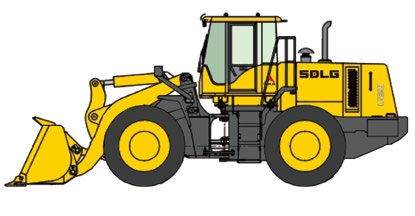
Choosing equipment starts with the work, not the machine catalogue. Excavators suit trenching, digging, and controlled lifting. Wheel loaders move loose materials quickly across firm ground. Dozers spread soil, while compactors build stable layers beneath roads and slabs. On a recent site review, wet clay reduced travel speed and increased fuel use. The “fastest” machine was not the most productive choice.

Compare core capabilities against actual site conditions. Check operating weight, bucket capacity, breakout force, lift height, ground clearance, turning radius, and hydraulic flow. Narrow access may favor a compact excavator, but its smaller attachment range can extend the schedule. The U.S. Bureau of Labor Statistics projects construction employment to grow 7% between 2023 and 2033. Meanwhile, the Associated General Contractors’ 2024 Workforce Survey reported that 94% of firms struggled to fill positions. Easier controls and safer visibility can therefore matter as much as raw power. A perfect match rarely exists.

Tips: Measure gates, haul routes, and working platforms before selection. Calculate production using cycle time, payload, and travel distance. Test the machine with its intended attachment, not an empty bucket. Ask operators where fatigue, blind spots, or maintenance delays may appear. Record idle time for one week. The result may challenge your original choice. A machine that looks oversized can reduce total hours, while an undersized unit quietly increases labor, fuel, and rental costs.

Match Machine Specifications to Site Conditions

How to Choose the Right Construction Machines?

Matching machine specifications to site conditions prevents delays, damage, and unsafe working practices. A machine that performs well on firm ground may struggle on wet clay or loose fill. Check the soil type, slope, drainage, and available working space before comparing engine power.
Ground pressure matters on soft sites. Choose wider tracks or lower operating weight when the surface may rut easily. For compact urban projects, measure gates, roads, and turning areas carefully. A machine with a long reach can be useful, but excessive reach may reduce lifting stability. Small details matter.
Consider the actual task, not only the advertised capacity. Confirm bucket size, maximum digging depth, lifting chart, hydraulic flow, and attachment compatibility. For a trench beside a wall, precise control may matter more than peak horsepower. For a demolition area, guarding, visibility, and controlled movement deserve greater attention.
Weather can change the decision. Rain may reduce traction, while dust can increase filter maintenance. I once underestimated access clearance on a crowded site, causing avoidable repositioning and lost time. That mistake changed my inspection routine. Now, I walk the route with a tape measure and mark overhead hazards before delivery. Even careful planning can miss changing ground conditions, so operators should inspect the site daily and report unusual settlement, noise, or fluid leaks promptly.

Compare Ownership, Rental, Operating, and Maintenance Costs

How to Choose the Right Construction Machines?

Choosing construction equipment starts with the full cost, not the purchase price. Ownership includes financing, depreciation, insurance, storage, and resale risk. A machine may look affordable while sitting unused between projects.

Rental works well for short jobs, unusual attachments, or uncertain demand. Compare the daily rate with transport, fuel, operator, and cleaning charges. A ten-day rental can cost less than months of idle ownership. However, repeated rentals may quietly exceed a planned purchase.

Operating costs need close attention. Fuel use, labor, tires, fluids, and jobsite travel can change the budget quickly. Track fuel receipts and working hours on real projects. Manufacturer estimates are useful, but muddy ground and heavy loads often produce different results. They are not always wrong, just incomplete.

Maintenance deserves its own calculation. Regular inspections reduce breakdowns, but parts and skilled labor remain unavoidable. Ask for service records when buying used equipment. Check hydraulic leaks, tire wear, engine hours, and repair intervals. One overlooked fault can erase a rental saving. I once underestimated downtime during a wet season, and the schedule suffered. That mistake showed me why contingency money matters.

Use a simple comparison sheet. Divide total expected cost by productive operating hours, not calendar hours. A machine costing 48,000 dollars annually and producing 1,200 hours costs 40 dollars per productive hour. Recalculate that figure when utilization, fuel prices, or project duration changes. The cheapest option is not always the most reliable one.

How to Choose the Right Construction Machines?

Ownership, rental, operating, and maintenance cost comparison

The chart compares typical construction machine cost categories in USD per 1,000 operating hours. Ownership and rental are alternative acquisition strategies, while operating and maintenance costs apply to both. Actual costs vary by utilization, fuel prices, financing terms, machine age, jobsite conditions, and local rental rates.

Verify Safety, Compliance, Operator Skills, and Support Services

How to Choose the Right Construction Machines?

Safety verification should begin before a machine reaches the site. The U.S. Bureau of Labor Statistics recorded 1,075 construction deaths in 2023. Many involved vehicles, falls, or moving equipment. Check guarding, emergency controls, alarms, tires, load charts, and inspection records. Confirm the machine meets local safety and emissions requirements. A clean exterior proves very little. That is an easy mistake.

Operator competence matters as much as machine specifications. The International Powered Access Federation reported 118 powered-access fatalities across 15 countries in its 2024 safety report. Require documented training, practical assessments, and task-specific authorization. Operators should understand ground conditions, blind spots, overhead hazards, and rated capacity. A certificate alone is not enough. Experience can become overconfidence.

Support services deserve equal attention. Ask about preventive maintenance, spare-part availability, emergency response times, and technical documentation. The International Labour Organization reported nearly three million work-related deaths globally in 2019, showing why weak controls remain costly. Keep service logs beside the machine, not inside an inaccessible office. Test backup systems during scheduled checks. In practice, teams sometimes choose cheaper equipment and underestimate downtime. That decision may look efficient until one failed sensor stops the entire project. Reviewing support quality with the same care as purchase price is often overlooked.

How to Choose the Right Construction Machines? - Verify Safety, Compliance, Operator Skills, and Support Services
Machine Category Typical Construction Tasks Primary Safety Risks Safety Verification Checklist Compliance and Documentation Recommended Operator Skills Support and Service Requirements
Excavators Trenching, digging, earthmoving, demolition, and material handling with approved attachments. Struck-by incidents, machine rollover, contact with underground utilities, falling loads, and swing-radius collisions. ✓ Check hydraulic hoses and leaks.
✓ Test alarms, lights, mirrors, cameras, and emergency stops.
✓ Confirm the attachment is secured and rated for the task.
✓ Establish an exclusion zone around the swing area.
Current inspection records, load charts where applicable, attachment documentation, maintenance history, and site-specific utility-location controls. Documented equipment training, practical assessment, understanding of stability limits, excavation hazards, signaling procedures, and attachment operation. Planned preventive maintenance, hydraulic and undercarriage inspections, qualified technicians, spare parts availability, and rapid breakdown response.
Wheel Loaders Loading trucks, stockpiling aggregate, site cleanup, and short-distance material transport. Collision with people or vehicles, falling materials, rollover on slopes, poor visibility, and overloaded buckets. ✓ Inspect tires, wheel nuts, brakes, steering, and articulation joints.
✓ Verify the bucket locking system and cutting edge.
✓ Test reverse alarms, cameras, and seat belts.
✓ Confirm safe travel routes and traffic separation.
Operator inspection checklist, site traffic-management plan, rated capacity information, maintenance records, and applicable workplace-equipment certifications. Training in load handling, center of gravity, safe travel on gradients, stockpile management, blind-spot control, and pedestrian communication. Routine tire and brake service, articulation-joint lubrication, bucket inspection, parts support, and technician access during production hours.
Forklifts and Telehandlers Pallet handling, lifting materials, unloading deliveries, and placing loads at height. Tip-over, falling loads, struck-by injuries, unstable ground, overhead obstructions, and incorrect attachment use. ✓ Inspect forks, carriage, mast, chains, tires, and hydraulic systems.
✓ Verify the load chart matches the attachment and lift configuration.
✓ Test brakes, steering, alarms, and restraint systems.
✓ Check ground bearing capacity and overhead clearance.
Valid operator authorization, equipment inspection records, load charts, attachment certificates, and documented lifting plans for non-routine lifts. Formal theory and practical training, load-center calculations, stability awareness, signaling, pedestrian control, and elevated-load procedures. Frequent inspection of forks and lifting components, annual or legally required examinations where applicable, parts availability, and attachment support.
Mobile Cranes Hoisting structural members, machinery, formwork, and other heavy loads. Crane overturning, dropped loads, power-line contact, rigging failure, wind-related instability, and unauthorized access. ✓ Confirm ground conditions, outrigger support, and crane leveling.
✓ Inspect wire ropes, hooks, sheaves, brakes, and safety devices.
✓ Verify load radius, rated capacity, and wind limits.
✓ Set exclusion zones and maintain required electrical clearances.
Lift plan, current inspection and examination certificates, load charts, rigging records, operator authorization, and local lifting-regulation compliance. Qualified crane operator, competent appointed person or lift planner, trained rigger and signaler, communication protocols, and emergency procedures. Specialist inspection support, calibrated safety systems, certified lifting accessories, emergency technical assistance, and documented maintenance planning.
Scissor Lifts and Boom Lifts Facade work, installation, inspection, maintenance, and elevated access. Falls from height, platform overturning, entrapment, overhead contact, falling tools, and operation on unsuitable surfaces. ✓ Test guardrails, gates, harness anchor points, alarms, and emergency lowering.
✓ Inspect tires, outriggers, controls, and hydraulic systems.
✓ Verify slope, surface, wind, and platform-load limits.
✓ Control dropped-object and overhead hazards.
Pre-use inspection records, periodic examination documentation, operator authorization, rescue plan, and compliance with applicable work-at-height rules. Mobile elevating work platform training, fall-protection knowledge, ground assessment, emergency-lowering practice, and site-specific hazard awareness. Battery or fuel-system maintenance, platform and guardrail inspections, emergency recovery support, replacement controls, and periodic servicing.
Bulldozers Rough grading, site clearing, pushing soil, slope shaping, and spreading fill. Rollover, sliding on slopes, edge collapse, struck-by hazards, limited rear visibility, and contact with buried services. ✓ Inspect blade, cutting edges, tracks, sprockets, and track tension.
✓ Test brakes, steering, alarms, and operator-protection structures.
✓ Review slope limits and edge-clearance requirements.
✓ Confirm the work area is cleared of people and obstructions.
Pre-start inspection records, maintenance history, site earthworks plan, utility clearance, and applicable rollover-protection requirements. Training in grading control, slope stability, edge awareness, reversing procedures, terrain assessment, and safe blade operation. Track and undercarriage service, blade maintenance, drivetrain support, seasonal inspections, and availability of trained field technicians.
Dump Trucks Transporting soil, rock, aggregates, demolition waste, and construction materials. Vehicle collisions, rollover during tipping, falling material, reversing incidents, unsecured loads, and brake failure. ✓ Inspect brakes, steering, tires, lights, mirrors, and cameras.
✓ Check body, tailgate, hoist cylinders, and load-covering systems.
✓ Verify payload limits and stable tipping locations.
✓ Use a trained spotter where visibility is restricted.
Roadworthiness records where required, daily inspection logs, payload controls, driver authorization, site traffic plan, and load-securing procedures. Commercial or site-vehicle training, defensive driving, reversing and spotter communication, load distribution, and tipping-area awareness. Tire and brake programs, scheduled drivetrain service, body and hoist inspections, roadside support, and access to replacement components.
Concrete Pumps Placing concrete at foundations, slabs, walls, high-rise levels, and restricted-access locations. High-pressure hose failure, boom contact with power lines, unstable setup, blockages, hose whip, and concrete burns. ✓ Inspect delivery pipes, clamps, elbows, hoses, and securing devices.
✓ Confirm stable outriggers and adequate ground support.
✓ Test emergency stop and communication systems.
✓ Keep personnel clear during priming, blockage clearing, and line opening.
Equipment inspection records, pressure-rated component documentation, operator authorization, lift or setup plan where applicable, and site concrete-pumping procedures. Specialized pump-operation training, pressure and blockage awareness, boom control, communication, concrete-handling safety, and emergency shutdown procedures. Pipe and hose replacement schedules, pump-unit servicing, trained technicians, cleaning support, emergency blockage assistance, and component traceability.
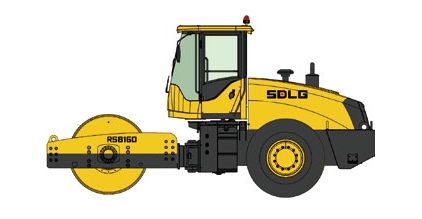
Compactors and Rollers Compacting soil, granular material, asphalt, and road-base layers. Rollover, collision, vibration exposure, edge collapse, poor visibility, and operating near pedestrians. ✓ Inspect drums, tires, scrapers, vibration systems, and fluid levels.
✓ Test brakes, steering, alarms, lights, and seat restraints.
✓ Confirm compaction routes, edge distances, and slope limits.
✓ Separate the machine from workers and light vehicles.
Pre-use inspection records, maintenance documentation, site compaction plan, vibration-control measures, and applicable operator-training records. Training in soil and asphalt compaction, pass planning, slope and edge awareness, vibration hazards, reversing, and traffic separation. Drum and vibration-system inspections, hydraulic service, scraper maintenance, calibration or performance checks, and field-service availability.
Generators and Temporary Power Units Supplying temporary electrical power for tools, lighting, site offices, pumps, and welfare facilities. Electric shock, fire, carbon-monoxide exposure, fuel spills, arc flash, noise, and incorrect grounding. ✓ Inspect cables, plugs, outlets, guards, fuel lines, and exhaust systems.
✓ Verify grounding, residual-current protection, and overload protection.
✓ Keep exhaust away from enclosed or occupied areas.
✓ Store fuel safely and control hot surfaces.
Electrical inspection records, test certificates, grounding verification, fuel-storage controls, authorized installation, and applicable electrical regulations. Competent electrical awareness, lockout and isolation procedures, safe connection practices, fuel handling, and emergency response training. Electrical testing, oil and filter service, load-bank testing where needed, fuel-system support, spare cables, and emergency power assistance.

Selection should be confirmed against the project method statement, site conditions, load and capacity calculations, applicable local laws, manufacturer operating instructions, and the competence of the assigned operators.