What Are the 2026 Best Construction Machines?
Choosing the best Construction Machines for 2026 requires more than comparing horsepower, lifting capacity, or purchase price. The strongest choice depends on the project, terrain, operator skill, fuel access, and maintenance network. A 30-ton excavator may dominate a highway site, yet waste fuel on a compact urban project. Context matters.
The UNEP Global Status Report for Buildings and Construction 2024 reports that buildings and construction consume approximately 32% of global energy. They also generate about 34% of global carbon dioxide emissions. These figures increase pressure for electric, hybrid, fuel-efficient, and digitally monitored equipment. Deloitte’s 2025 Engineering and Construction Industry Outlook also highlights labor shortages, rising costs, and accelerating technology adoption. These pressures are reshaping equipment decisions. Telematics, automated guidance, remote diagnostics, and machine-control systems now influence productivity as much as engine output.
This guide evaluates excavators, loaders, cranes, bulldozers, compact equipment, and emerging electric models. It considers operating cost, uptime, safety features, versatility, emissions, and real-world service support. Off-Highway Research market analysis remains useful because it tracks construction equipment demand across major regions and machine categories.
No ranking is perfect.
A premium machine can still fail a remote project without parts support. An electric model may reduce noise and local emissions, but charging capacity can remain difficult. These limitations deserve honest attention. The following selection therefore balances manufacturer specifications with jobsite practicality, published industry evidence, and experienced operator concerns. The best machine is not always the largest or newest. It is the one that performs reliably, efficiently, and safely throughout its working life.
What Defines the Best Construction Machines in 2026
In 2026, the best construction machine is not simply the largest or fastest. It earns that label through dependable performance on real jobsites. A skilled fleet manager examines productivity, fuel or energy use, safety, service access, and total ownership cost. One excavator may load 18-ton trucks efficiently, yet struggle on soft ground. Another may move slower but finish more hours without overheating. Context matters. Always.
Modern machines should combine precise controls with useful digital feedback. Load sensors, grade guidance, and maintenance alerts can reduce rework and unplanned downtime. However, data is valuable only when crews understand it. Operators still notice hydraulic noise, uneven track tension, and warning lights that appear too often. Their experience should influence purchasing decisions. A clean cab, low vibration, clear sightlines, and simple controls also protect attention during long shifts. Safety cannot be treated as an optional upgrade.
The strongest 2026 choices balance power with repairability.
The strongest 2026 choices balance power with repairability. Panels should open quickly, filters should be reachable, and diagnostic codes should be understandable. Electric and hybrid equipment can reduce site noise and local emissions, but charging plans and weather performance need honest testing. No machine performs perfectly. I would record cycle times across several soil conditions, then compare them with promised figures. Independent inspections, documented service history, and a realistic parts plan make the final decision more reliable. A machine that looks impressive on day one may become expensive when small failures interrupt every week.
Key Machine Categories and Their Primary Construction Uses
What Are the 2026 Best Construction Machines?
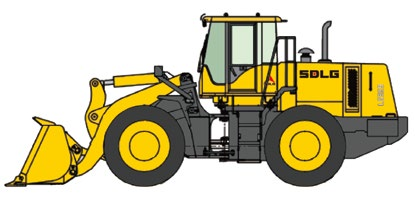
The best construction machine depends on terrain, material, and cycle time. Excavators remain essential for trenching, foundation work, and demolition. Their hydraulic arms can remove compacted soil beside a narrow road. Wheel loaders move aggregate quickly between stockpiles and mixing areas. Backhoe loaders suit smaller sites because one machine can dig, load, and backfill.
Useful versatility.
Crawler dozers provide controlled grading on rough ground, while motor graders create precise road surfaces. Articulated dump trucks carry loose material across uneven haul routes. According to Off-Highway Research, global construction equipment demand is measured in hundreds of thousands of units annually, with excavators representing a major share. This supports their continued importance, but sales volume does not equal suitability for every project.
Crane systems handle heavy structural components, especially where lifting height and radius matter. Telehandlers place materials around buildings, although soft ground can limit their reach and stability. Concrete pumps improve placement speed on tall or congested sites. The 2024 Global Construction Perspectives report from Oxford Economics forecasts continued long-term construction growth, increasing demand for productive equipment and trained operators. Fuel efficiency and telematics also deserve attention. The International Energy Agency reports that construction machinery remains a significant source of diesel demand, so emissions performance affects operating costs and site planning. My practical concern is simple: specifications can look impressive, yet poor maintenance still causes delays. A smaller machine may sometimes outperform a larger one.
Top Performance Features, Technologies, and Efficiency Standards
What Are the 2026 Best Construction Machines?
The best construction machines in 2026 will balance power, precision, uptime, and measurable efficiency. Raw horsepower is no longer enough. On a muddy site, load-sensing hydraulics can reduce wasted energy during repeated bucket cycles. Hybrid drives and electric systems can also lower noise and local emissions. Practical testing should measure fuel or battery use per cubic metre moved, not just advertised output.
The 2023 Global Status Report for Buildings and Construction states that buildings consumed 32% of global energy and produced 34% of global carbon emissions in 2022. Construction equipment is only one part of that burden, but its operating hours matter. Machines meeting applicable Stage V or equivalent emissions standards should also provide transparent maintenance data. Telematics based on ISO 15143-3 can track idle time, engine load, location, and service intervals. Small details count. A five-minute idle habit becomes expensive across a large fleet.
Productivity remains a difficult test. McKinsey’s Reinventing Construction report found construction labour productivity grew by about 1% annually over two decades. Automated grade control, collision awareness, and remote diagnostics may improve that figure, but results vary by operator and site conditions. I would not treat automation as a guarantee. Sensors can fail in dust, batteries lose range in cold weather, and connected systems need skilled supervision. The strongest machines combine efficient technology with simple controls, accessible filters, and reliable field support.
How to Select the Right Machine for Different Construction Projects
Choosing the best construction machine for 2026 starts with the project, not the catalogue. Excavators suit trenching, foundations, and material loading. Wheel loaders work well on stockpiles and repetitive haul routes. Skid-steer loaders fit tight sites, especially when attachments change daily. Define four constraints: ground pressure, lift capacity, working radius, and utilisation. On soft soil, tracked equipment can reduce rutting. On paved urban sites, compact dimensions matter more.
More power is not always better. McKinsey Global Institute reported that construction productivity grew by only about 1% annually over two decades. This makes cycle time and operator visibility important selection criteria. For deep excavation, compare digging depth, hydraulic response, and truck-matching time. For roadwork, evaluate compaction coverage and layer consistency. A machine that finishes quickly but burns fuel between tasks may still lose money.
Energy performance also deserves attention. The 2024 Global Status Report for Buildings and Construction states that buildings and construction consume about 32% of global energy and create roughly 34% of global carbon emissions. Electric or hybrid machines can suit indoor demolition and noise-sensitive projects. Conventional power may remain practical for remote earthmoving, where charging access is weak. Compare purchase cost, fuel, charging, maintenance, transport, attachments, and operator training. A machine that sits idle is expensive. My selection logic needs one caveat: project data is often incomplete. A short site trial can reveal more than a polished spreadsheet.

 Wheel Loader
 Excavator
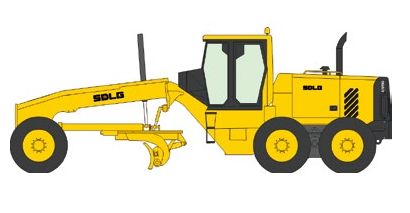 Motor Grader
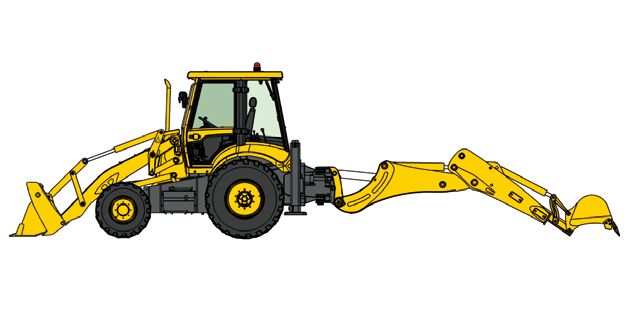 Backhoe Loader
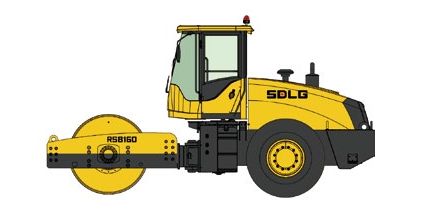 Road Roller
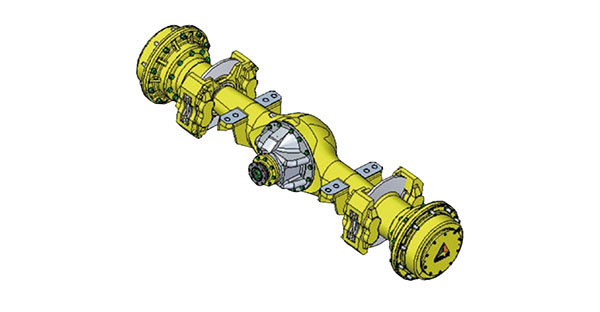 Spare Parts