2026 How to Choose the Right Heavy Equipment Machinery for Your Project?
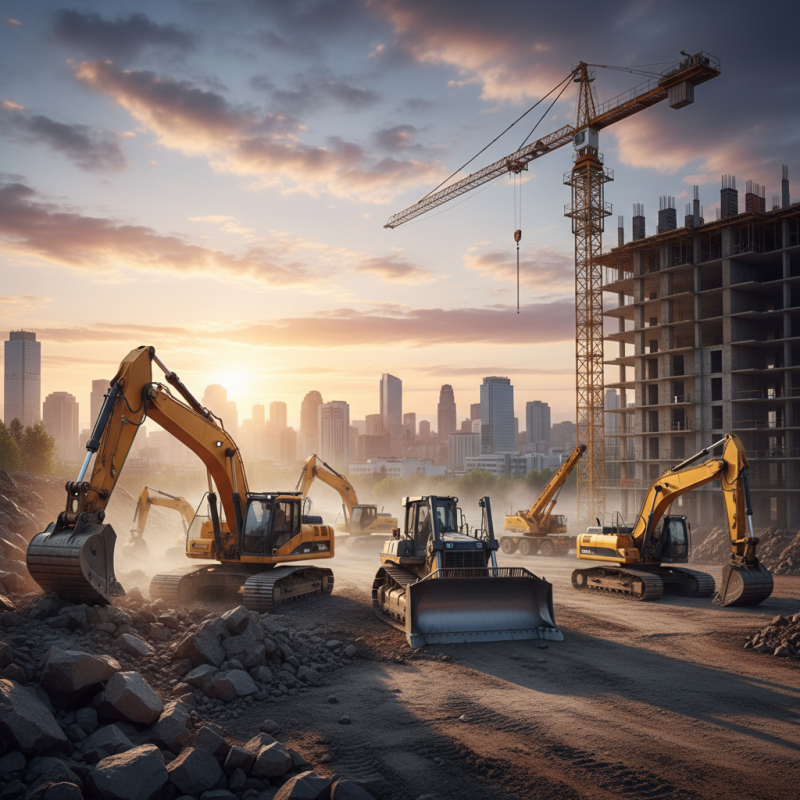
Choosing the right Heavy Equipment Machinery is crucial for any construction project. As industry expert John Roberts, CEO of HeavyTech Solutions, once said, "The right equipment can make or break your project." When selecting heavy machinery, understanding your project’s specific needs is essential.
In every project, the terrain, materials, and workload will differ. For example, working on a rocky site may require a different machine than a flat one. Evaluating the nature of your project helps in making informed decisions. Remember, choosing the wrong machinery can lead to delays and additional costs.
Heavy Equipment Machinery comes in various forms. Excavators, bulldozers, and cranes all serve unique purposes. An informed choice not only boosts efficiency but also enhances safety. It can be challenging to reconsider choices after decisions are made. Reflecting on equipment needs can prevent future setbacks.
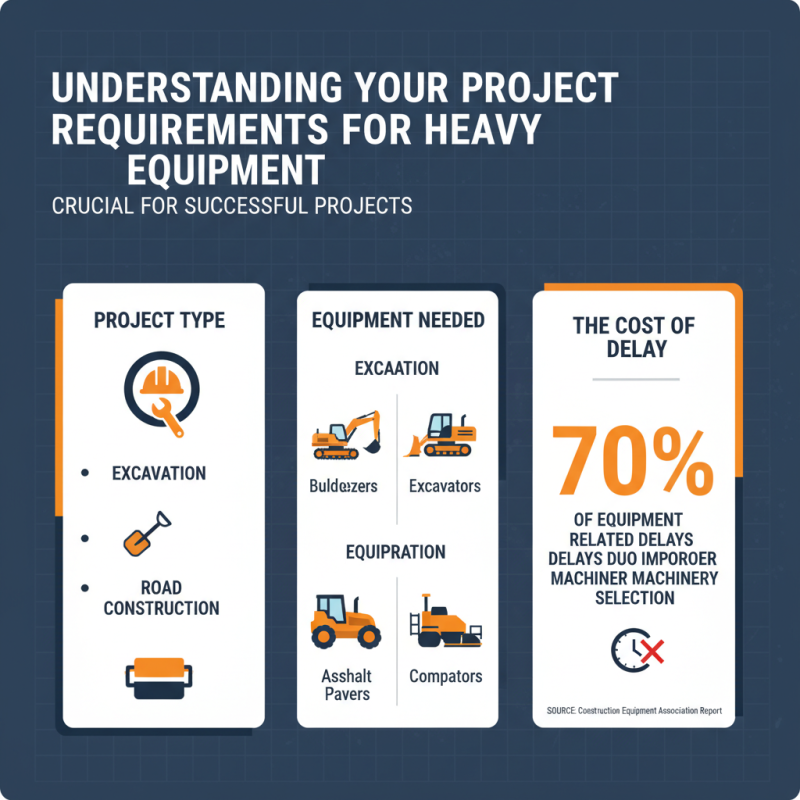
Understanding Your Project Requirements for Heavy Equipment
Understanding project requirements is crucial when selecting heavy equipment. The type of machinery needed can vary significantly based on the scale and nature of a project. For instance, a construction site requiring excavation might need bulldozers and excavators, while road construction might focus on asphalt pavers and compactors. According to a report by the Construction Equipment Association, over 70% of equipment-related delays stem from improper machinery selection.
Consider the specific terrain and environmental conditions. Soft ground may necessitate equipment with wider tracks to prevent sinking. Heavy loads could warrant more robust machinery with higher lifting capacities. A survey from the American Society of Civil Engineers notes that improper equipment can lead to 20% increased operational costs.
Capacity, power, and reach are pivotal factors. You may need to weigh alternatives, even if they seem less optimal initially. Scrutinize your long-term project goals and fiscal constraints. A comprehensive needs assessment helps avoid costly mistakes later on. Often, teams overlook the operational efficiency of equipment when planning. Reflecting on every detail can enhance decision-making and project execution.
Types of Heavy Equipment and Their Specific Applications
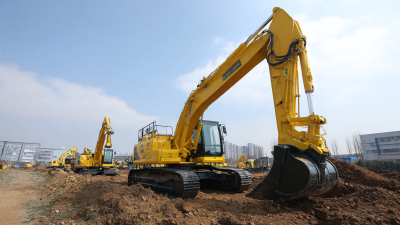
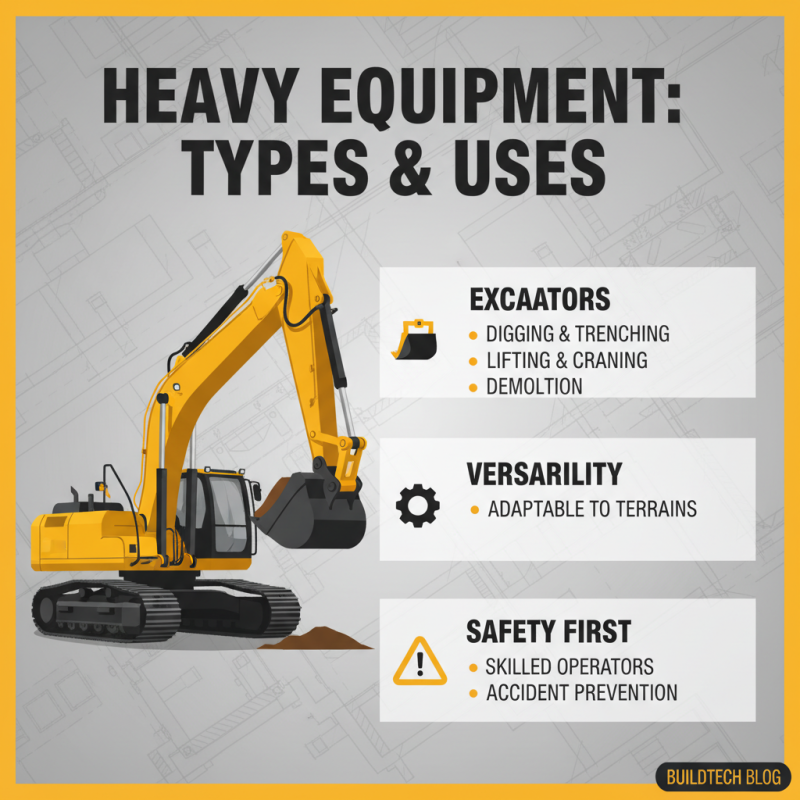
When selecting heavy equipment for a project, understanding the types available is crucial. Excavators are versatile machines. They are used for digging, lifting, and demolition tasks. A skilled operator can maneuver them efficiently on various terrains. However, operators must be trained to prevent accidents.
In contrast, bulldozers have a different role. They excel in pushing large quantities of materials like soil or debris. While effective, they require ample space to operate. Misjudging site conditions can lead to challenges in their deployment. Additionally, forklifts are essential for material handling but are limited to flat surfaces.
Crucially, the project's specific needs dictate the choice of machinery. Assessing the site layout and the type of tasks to be performed is vital. Heavy machinery can significantly impact the project timeline and safety if mismanaged. Therefore, it’s essential to reflect on the long-term needs of your project before making a selection.
Key Factors to Consider When Choosing Heavy Machinery
Choosing the right heavy machinery is crucial for any construction project. The success of your project can depend on this decision. Key factors include the type of work and terrain. For instance, compact terrain may require different equipment than open fields. Understanding the specific needs of your project allows for better selection.
Another important aspect is the machinery's capacity and weight. Ensure that the equipment can handle the volume of work required. If you underestimate this, delays can occur. It’s essential to evaluate if the machinery can operate under various conditions. Consider maintenance and availability of parts as well. Poor maintenance can lead to unexpected failures, causing significant downtime.
Operator expertise also plays a key role. An experienced operator can maximize the equipment's efficiency. Yet, the right machinery for your project can still present challenges. Sometimes, the equipment may not perform as expected, requiring adjustments. Be prepared to reassess your choices as the project progresses. Evaluating machinery feedback and performance ensures continuous improvement throughout the project lifecycle.
Assessing Budget and Cost-Effectiveness for Equipment Selection
When selecting heavy equipment, assessing budget and cost-effectiveness is crucial. According to the National Construction Equipment Association, machinery costs can account for 30-50% of a project’s total budget. This statistic underscores the importance of making informed equipment choices. Initial purchase prices must be weighed against long-term operational costs, including maintenance and fuel consumption.
Consider equipment lifespan and depreciation. For instance, Caterpillar reports that a well-maintained machine can last up to 10 years but its value depreciates by nearly 50% within the first five years. This information can guide project managers in choosing between new and used equipment. While a new model may offer advanced technology, used machinery can be more budget-friendly if it meets project demands.
Project managers often overlook hidden costs. Transport fees, insurance, and training for operators can add up. According to industry data, improper training can lead to 35% more operational errors. Allocating funds for these elements enhances overall cost-effectiveness. Reflecting on these factors during selection can lead to more profitable project outcomes. Balancing upfront investment with long-term savings requires careful consideration.
Evaluating Equipment Providers and Their Support Services
Choosing the right heavy equipment for your project requires careful evaluation of equipment providers and their support services. Start by researching companies known for their reliability. A strong reputation often reflects quality machinery and dependable support.
When assessing providers, consider their maintenance service. Regular maintenance can extend equipment lifespan. Ask about their response time for repairs. A quick response minimizes downtime on your project site. Also, evaluate their training programs. Well-trained operators can enhance safety and efficiency.
Make sure to read reviews and testimonials from previous clients. This can provide insights into their level of service. Pay attention to any recurring issues or complaints. You want a partner who prioritizes customer satisfaction. A transparent provider will answer all your questions, making you feel more secure in your choice.
2026 How to Choose the Right Heavy Equipment Machinery for Your Project?
| Criteria |
Importance Level (1-5) |
Example Equipment |
Support Service Availability |
| Durability |
5 |
Excavator |
24/7 Support |
| Fuel Efficiency |
4 |
Bulldozer |
Next Business Day |
| Technology Features |
3 |
Telehandler |
Limited Support |
| Cost of Ownership |
5 |
Crane |
Full Service Available |
| Safety Features |
5 |
Loader |
On-site Support |

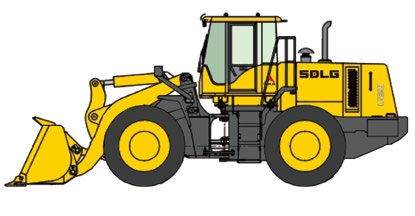 Wheel Loader
  Excavator
 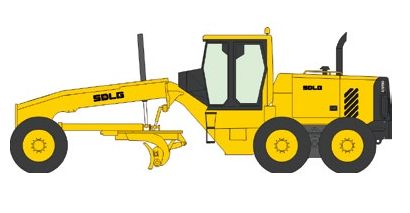 Motor Grader
 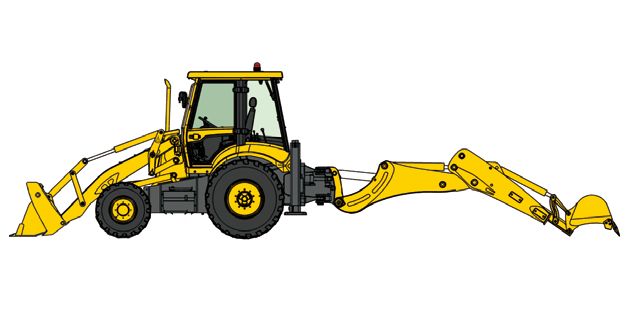 Backhoe Loader
 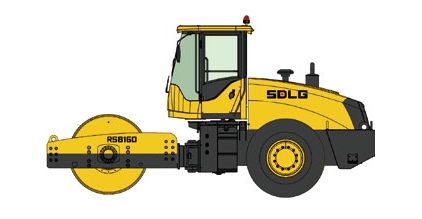 Road Roller
 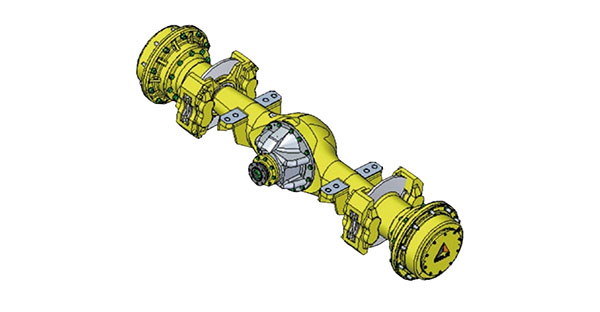 Spare Parts