What is Heavy Machinery and How to Choose the Right Equipment?
Heavy Machinery plays a vital role in various industries, from construction to mining. Selecting the right equipment is crucial for efficiency and safety. Understanding the specific needs of your project will guide you in making the best choice.
Choosing Heavy Machinery requires careful consideration. Each type of machinery serves a different purpose. Excavators, bulldozers, and cranes must be matched to the task at hand. A wrong decision can lead to costly delays and hazards.
It's easy to feel overwhelmed by options. Yet, experience and knowledge can lead to better outcomes. Assess the work environment and project requirements thoroughly. Seek advice from experts to ensure you invest wisely in Heavy Machinery. Reliable information will empower you to make informed choices.
Definition and Overview of Heavy Machinery
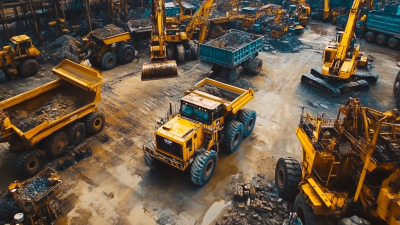
Heavy machinery plays a crucial role in various industries. It includes equipment such as excavators, bulldozers, and cranes. These machines aid in construction, mining, and landscaping tasks. Their main purpose is to enhance productivity and efficiency on job sites.
Understanding heavy machinery starts with knowing its types and uses. For instance, excavators dig and move large amounts of earth. Bulldozers grade land and push debris. Each piece of machinery serves a specific function that can make or break a project’s success. It's essential to evaluate the job requirements carefully before selecting machinery.
Selecting the right heavy machinery is often challenging. It involves considering factors like terrain, job scale, and material type. Evaluating machines based on performance and maintenance needs is vital. A wrong choice can lead to delays and increased costs. Therefore, gaining experience and knowledge about equipment can significantly improve decision-making.
Heavy Machinery Usage by Industry
Types of Heavy Machinery and Their Applications
When selecting heavy machinery, understanding the types is crucial. Earthmoving equipment, like excavators and bulldozers, is essential for construction projects. These machines dig, move, and grade soil. They are powerhouses on the job site, ideal for large-scale excavation and land clearing.
Another vital category is lifting equipment. Cranes and forklifts allow for the safe movement of materials. They offer versatility in loading and unloading tasks. It's important to consider weight limits and reach capabilities. Selecting the wrong equipment can lead to inefficiencies and safety hazards, reflecting on project timelines.
Compaction equipment is often overlooked but plays a critical role. Rollers compress soil and asphalt, ensuring a stable base. Choosing an appropriate model depends on the specific application—soil type and moisture content matter. Improper choices may result in future structural issues. Keep these factors in mind for a successful project outcome.
What is Heavy Machinery and How to Choose the Right Equipment? - Types of Heavy Machinery and Their Applications
| Type of Heavy Machinery |
Primary Applications |
Key Features |
| Excavator |
Digging, demolition, material handling |
Hydraulic arm, rotating cab, various attachments |
| Bulldozer |
Land clearing, grading, site preparation |
Wide blade, tracks for traction, powerful engine |
| Loader |
Loading, material transportation |
Bucket attachment, articulate steering, various sizes |
| Crane |
Lifting, moving heavy loads |
Boom, hoist, various lifting capacities |
| Dump Truck |
Transportation of loose materials |
Open box, hydraulic lift, varying capacities |
| Backhoe |
Excavating, lifting, trenching |
Dual arms, versatility, compact design |
Key Factors to Consider When Choosing Equipment
Choosing the right heavy machinery is crucial for efficiency and safety on the job site. Key factors must be considered to make an informed decision. First, assess the specific needs of your project. Factors such as load capacity, reach, and terrain should guide equipment selection. A recent industry report indicates that nearly 70% of equipment failures are linked to incorrect selection.
Cost is another significant consideration. While the initial price is essential, long-term maintenance costs and fuel efficiency also impact your budget. According to the Construction Equipment Association, companies can save up to 30% on operational costs through proper machinery management and fuel-efficient designs.
Tip: Always consult equipment performance data before a purchase. Additionally, renting machinery can provide flexibility and reduce upfront costs. Ensure that the machinery’s features align with project requirements; this is often overlooked. Lastly, consider the experience level of operators. Equipment that is too advanced for your team can lead to mistakes and inefficiencies.
Maintenance and Safety Considerations for Heavy Machinery
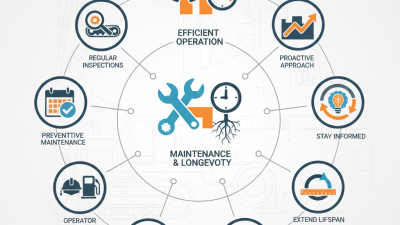
Maintaining heavy machinery is crucial for efficient operations. Regular checks ensure everything works smoothly. Inspect hydraulic systems for leaks. Look out for wear and tear on tracks and tires. Lubrication is key in reducing friction. A single oversight can lead to costly repairs.
Safety is another critical aspect. Operators must be trained in using equipment correctly. Wearing appropriate personal protective equipment cannot be ignored. Always check safety features before operating machines. Establish a protocol for emergency situations. Understand the limits of each piece of machinery. Ignoring these factors invites risks that could lead to accidents.
A practical maintenance schedule is not a luxury; it’s a necessity. Document all inspections and repairs. This helps in identifying recurring issues. Over time, patterns may emerge that require attention. Addressing concerns early can prevent bigger problems later. Machinery that isn't properly maintained may not perform as expected.
Cost-Benefit Analysis of Heavy Machinery Investments
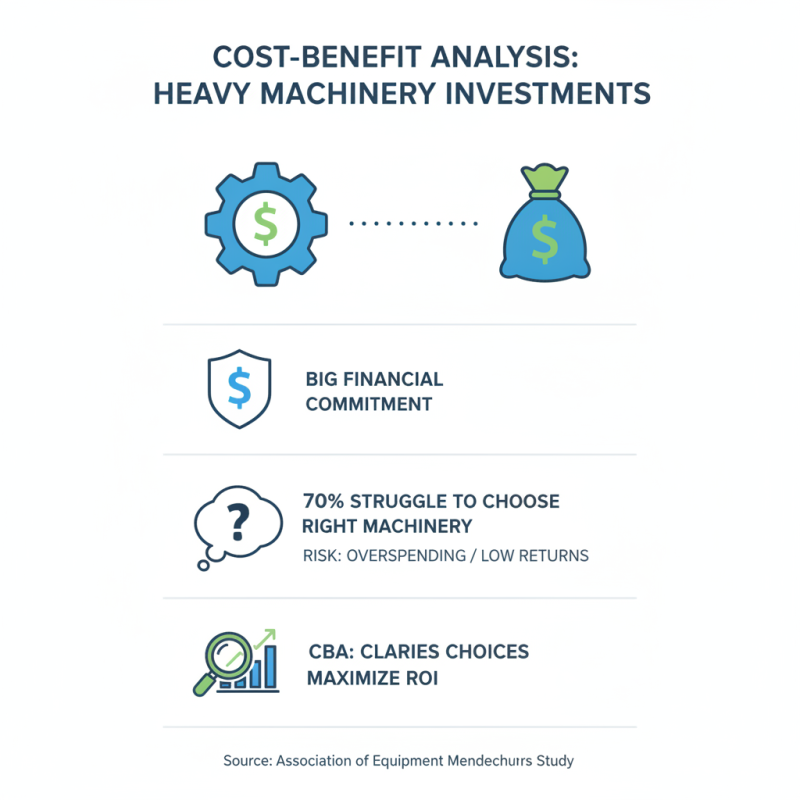
Investing in heavy machinery represents a significant financial commitment. A recent study by the Association of Equipment Manufacturers reported that about 70% of companies find it challenging to determine the right machinery for their needs. This uncertainty often leads to overspending or purchasing equipment that does not yield adequate returns. A cost-benefit analysis can clarify these choices.
When analyzing costs, include acquisition, maintenance, and operational expenses. According to the American Rental Association, the total cost of ownership can reach up to 25% of the initial purchase price per year. If a company spends $1 million on machinery, it could incur an extra $250,000 annually. Evaluating potential revenue against these costs is imperative.
Understanding productivity gains is vital. The Construction Industry Institute suggests that effective machinery use can enhance productivity by 30% to 40%. However, not all investments lead to improvements. Careful reflection on specific project needs and long-term objectives is essential. Adopting a strategic approach can help prevent costly mistakes.

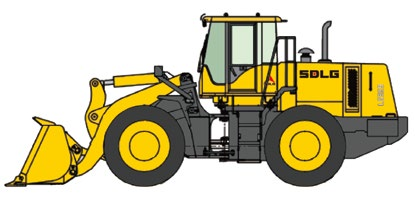 Wheel Loader
 Excavator
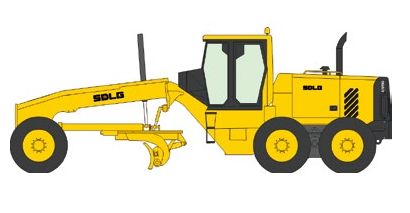 Motor Grader
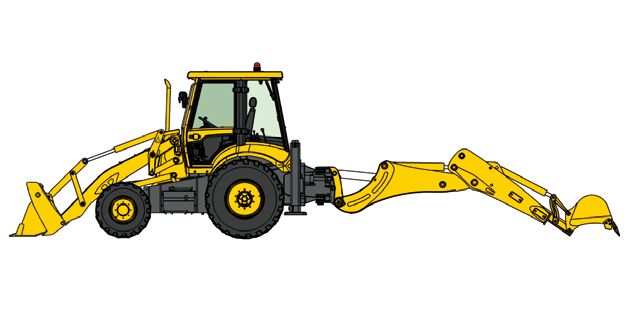 Backhoe Loader
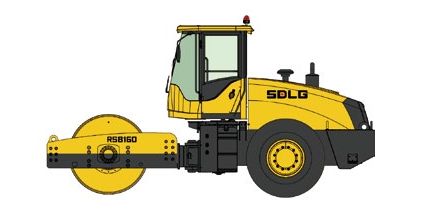 Road Roller
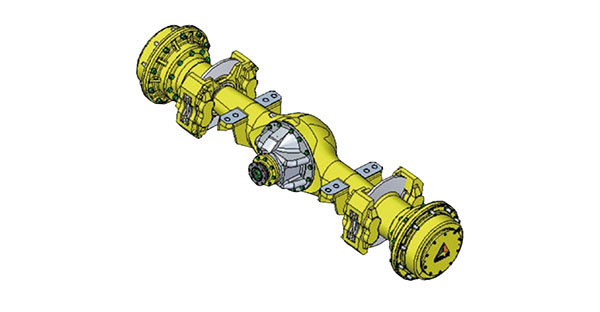 Spare Parts