Why Hire a Heavy Machine Operator?
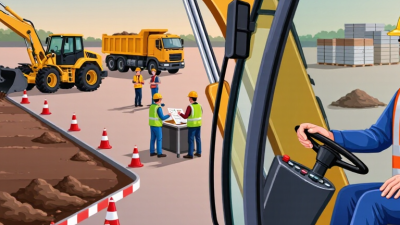
Hiring a Heavy Machine Operator can make a demanding job site safer, steadier, and more productive. These professionals operate equipment such as excavators, loaders, bulldozers, and graders. Their work may involve moving earth, preparing access routes, lifting materials, or shaping a site to precise measurements. The right operator brings more than time behind the controls. They understand machine limits, read ground conditions, and communicate clearly with crews. Small details count. A missed signal or poorly judged slope can delay work and create hazards.
A skilled operator also helps protect costly equipment. Daily inspections can reveal worn tracks, leaking hydraulic lines, or loose attachments before they become larger problems. Good operators adjust their approach when soil, weather, or visibility changes. They follow site procedures and use equipment suited to the task. That matters. Employers should check relevant training, practical experience, references, and familiarity with the specific machinery required. Requirements differ by location and project, so credentials should be verified rather than assumed.
Hiring well does not guarantee a perfect project. No operator can remove every risk, and pretending otherwise would be careless. Even experienced people need clear plans, maintained machines, and respectful coordination. Some operators may need time to learn a new site’s routines. That is worth discussing openly. When expectations are clear, a dependable Heavy Machine Operator can help reduce avoidable delays, support safer teamwork, and deliver more consistent results from the first shift onward.
What a Heavy Machine Operator Does
Why Hire a Heavy Machine Operator?
What a Heavy Machine Operator Does
A heavy machine operator controls equipment such as excavators, loaders, and bulldozers on construction and earthmoving sites. The specific machine depends on the task. Operators may dig trenches, move soil, grade surfaces, or load materials into trucks. Their work shapes the site, often within tight spaces and around other crews.
Before starting, an operator checks the machine for visible damage, fluid leaks, worn tracks, and working alarms. They also review the work area for soft ground, overhead hazards, and people nearby. In the cab, precise controls matter. A small adjustment can change the depth of a trench or the angle of a finished slope. That takes judgment.
Operators communicate with supervisors and ground crews, using agreed signals when visibility is limited. They monitor how the machine responds and pause if conditions change. Wet soil, for example, may shift under a machine that seemed stable earlier. Experience helps, but it does not remove uncertainty. An operator may need to stop, reassess, and ask for another look. Safe, accurate work depends on both equipment skill and attention to the whole site.
Equipment and Jobsite Responsibilities
Why Hire a Heavy Machine Operator?
Equipment and Jobsite Responsibilities
A heavy machine operator’s work begins before the engine starts. A walk-around inspection can reveal a loose hose, damaged steps, or fluid beneath the machine. Operators check tires or tracks, controls, lights, and safety devices, then report defects according to site procedures. Small warning signs matter. A leak that seems minor can become a serious delay once work is underway.
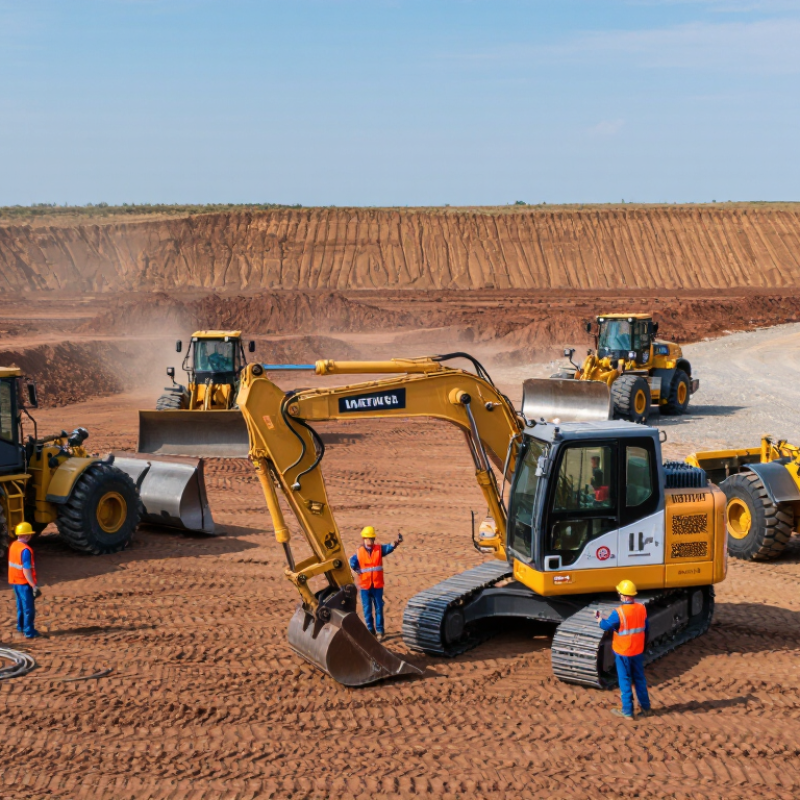
On site, operators match machine movements to the task and ground conditions. Soft soil, a narrow trench edge, or a pile of wet fill can change how equipment responds. They monitor blind spots, use a spotter when needed, and keep clear communication with nearby crews. A hand signal missed in the dust is not a small issue. Safe spacing takes attention throughout the shift.
The job also includes parking equipment securely, lowering attachments, and following shutdown procedures. Operators may track hours, fuel, and maintenance concerns so supervisors can plan service and keep work moving. Yet a checklist cannot replace judgment; unusual vibration or poor visibility deserves a pause and a conversation. It is tempting to rush when a crew is waiting. That pressure should not decide whether a machine is ready to operate.
Safety Skills and Operating Qualifications
A qualified heavy machine operator brings more than seat time. Look for documented training and experience with the specific equipment and work conditions. A person skilled on a compact loader may still need familiarization before operating an excavator on uneven ground. Ask how they check the machine before starting. A careful walk-around can reveal a hydraulic leak, loose track, damaged guard, or blocked sightline. Small details matter.
Safety depends on judgment as much as credentials. Operators should understand site signals, maintain clear communication with spotters, and keep people outside the machine’s working radius. They must adjust to soft soil, changing loads, and nearby overhead hazards. No checklist catches everything. Ask candidates to explain what they would do if a warning light appeared or a spotter left their view. Their answer can show whether they pause, secure the area, and report the issue instead of guessing.
Verify qualifications and match them to the job’s actual risks, not just a résumé. A practical skills assessment can show how someone mounts the machine, uses controls, and positions a load. Include site orientation and clear expectations for reporting defects and near misses. Even experienced operators can overlook something when work feels routine. That deserves honest attention.
Benefits of Hiring a Qualified Operator
Why Hire a Heavy Machine Operator?
A qualified heavy machine operator brings more than seat time. They inspect hoses, tracks, tires, and attachments before work begins. They also judge ground conditions, maintain clear sightlines, and coordinate with spotters near blind zones. Small details matter. A slow, controlled bucket movement can prevent damage to a trench edge or nearby utility.
The U.S. Bureau of Labor Statistics recorded 1,032 fatal injuries among construction and extraction workers in 2023 (Census of Fatal Occupational Injuries). This figure is not specific to heavy equipment, but it underscores the importance of hazard awareness. An experienced operator can recognize soft shoulders, changing slopes, and unstable loads before they become urgent problems. They can also help limit idle time by matching machine movements to the crew’s work sequence. That takes communication, not just control skills.
A qualification or training record is useful, but it does not guarantee sound judgment on every site. Even skilled operators can misread a changing surface. A careful pause helps. Employers should check relevant training, recent experience, equipment familiarity, and references, then explain site-specific hazards before work starts. Clear signals and agreed stop-work procedures make coordination more reliable. The extra checks may feel slow, but rushed work can cost more.
When a Heavy Machine Operator Is Needed
A heavy machine operator is needed when a project requires powered equipment, precise movement, and steady production. Excavation, grading, roadwork, and material handling often involve machines too large or specialized for general laborers to operate safely and efficiently. An excavator can remove soil beside marked utility lines, while a grader can shape a base to a consistent slope. Small jobs may not need a dedicated operator. The equipment still needs skilled control.
The U.S. Bureau of Labor Statistics projects 4% employment growth for construction equipment operators from 2023 to 2033. It also estimates about 45,700 openings per year, including positions created when workers leave the occupation. These figures suggest continued demand, but they do not mean every site needs an operator full-time. Consider hiring one when the schedule depends on machine work, ground conditions are difficult, or accurate grading affects drainage and stability. A qualified operator can also spot changing soil or equipment behavior early. That matters. Yet machines alone do not fix a rushed plan. Before mobilizing, confirm access routes, underground utility locations, and the operator’s experience with the specific equipment. A tidy site plan can still miss a narrow turning area or soft ground.

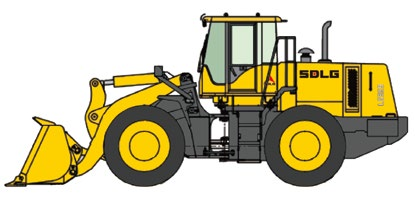 Wheel Loader
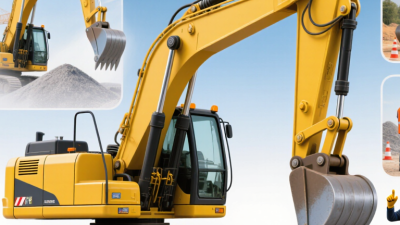
 Excavator
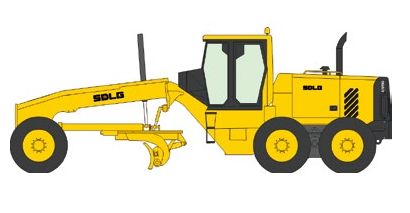 Motor Grader
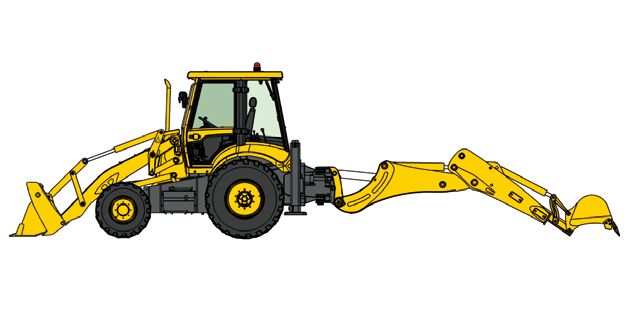 Backhoe Loader
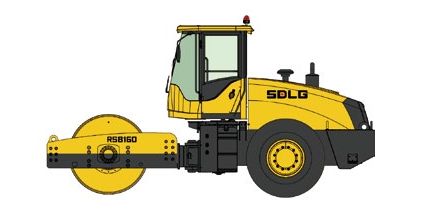 Road Roller
 Spare Parts