Leave Your Message

How to Become a Heavy Machine Operator in 2026?

Becoming a Heavy Machine Operator in 2026 takes more than learning which lever moves the bucket. It demands steady judgment, safety awareness, mechanical curiosity, and the patience to practice. Mike Rowe, host of Dirty Jobs and a prominent skilled-trades advocate, has said, “We have a critical skills gap in this country.” His observation points to real opportunities, but demand alone does not make someone job-ready.

This guide explains how to build a practical path into the field. You’ll learn what operators do, which machines employers use, and what training and credentials may be expected. Requirements vary by employer, location, and equipment, so check current job postings and training providers before committing money. A simulator can teach controls. A supervised worksite teaches pace, visibility, and how ground conditions change a machine’s response. Those details matter.

Safety comes first. Always. New operators should learn inspection routines, hand signals, communication procedures, and how to recognize hazards before moving equipment. Training is not a magic shortcut, either. You may need practice, feedback, and time to feel comfortable in a cab. I’ll also cover entry-level roles, interview preparation, and ways to grow your skills. The career can be rewarding, though long hours, weather, and repetitive work are worth considering honestly. A machine can make difficult work look simple. It isn’t.
How to Become a Heavy Machine Operator in 2026?

Understand the Role and Requirements of a Heavy Machine Operator

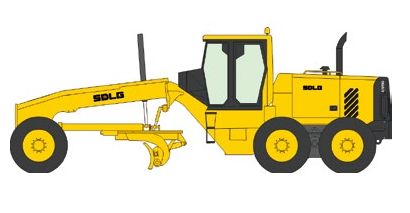
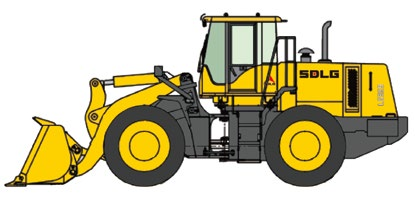
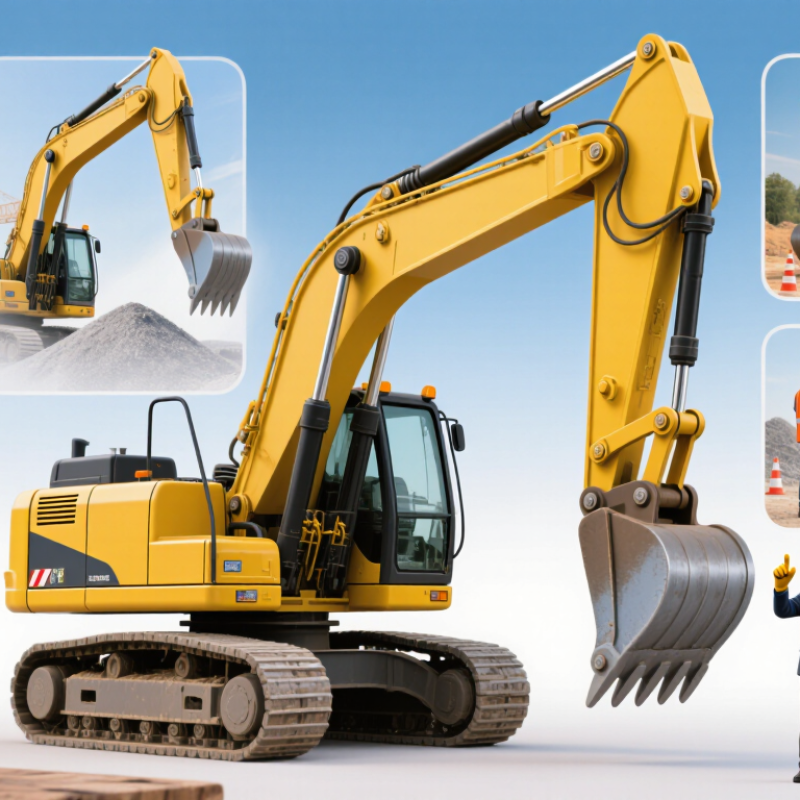
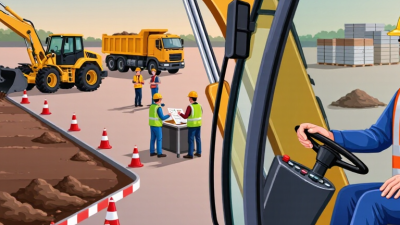
A heavy machine operator controls equipment such as excavators, bulldozers, graders, and loaders on construction or earthmoving sites. The work involves more than moving soil. Operators inspect machines, read site plans, watch ground conditions, and coordinate with workers nearby. A blind spot can hide a person or a trench edge. Small movements matter.

The U.S. Bureau of Labor Statistics reported a median annual wage of $58,320 for construction equipment operators in May 2024. That figure is a national midpoint, not a starting salary or a promise; location, experience, and hours can change earnings. BLS also projects 4% employment growth from 2024 to 2034. Employers commonly look for a high school diploma, practical training, and reliable safety habits. Many workers learn on the job or through apprenticeships. Training should include equipment controls, hand signals, and daily inspections. It is easy to underestimate how tiring steady concentration can be.

Requirements vary by employer and equipment type. Some roles require a commercial driver’s license when workers drive certain vehicles on public roads, while other jobs do not. Ask what credentials the specific position requires before paying for training. The BLS Occupational Outlook Handbook and state workforce offices are useful places to verify local expectations. Patience matters. So does admitting when you need more practice.

How to Become a Heavy Machine Operator in 2026

Understand the role, job outlook, and common requirements.

U.S. employment for construction equipment operators is projected to grow by 4% from 2024 to 2034, compared with 3% for all occupations. Employers commonly seek equipment-specific skills, safety awareness, and practical training; requirements vary by job and location. Some roles may require a commercial driver’s license.

Source: U.S. Bureau of Labor Statistics, Occupational Outlook Handbook and employment projections, 2024–2034.

Complete Education and Hands-On Equipment Training

Preparing for heavy machine work starts with a solid education. A high school diploma or equivalent can help with measurements, written instructions, and basic math. Some community colleges and vocational schools offer construction equipment courses. Look for programs that teach machine systems, job-site communication, and safety procedures, not just classroom theory. Requirements differ by employer and location, so ask local employers which training they value.

Hands-on practice is essential. Under an instructor’s supervision, learn to inspect a machine before operation: check fluid levels, tires or tracks, attachment points, and warning indicators. Practice smooth starts, controlled turns, backing, and placing loads accurately. A simulator can introduce controls, but it cannot fully recreate mud, wind, uneven ground, or the pressure of working near a crew. Practice matters.

Seek supervised hours on more than one type of equipment when possible. Keep a simple log of machines used, tasks practiced, and skills that still feel uncertain. Training quality varies, and a certificate alone does not prove readiness. Ask providers about instructor experience, practical training time, and any credentials employers request. Being slow at first is normal. Rushing is not a skill. It can be tempting to focus on operating speed, but careful checks and clear communication are part of the job too.

Earn Required Licenses and Safety Certifications

To become a heavy machine operator in 2026, check the licensing rules where you plan to work. There is no single federal operator license covering every bulldozer, loader, and excavator; state, local, and employer requirements can differ. Crane work has specific federal requirements: OSHA’s construction standard, 29 CFR 1926.1427, requires operators to meet applicable certification or qualification criteria and be evaluated by their employer. Ask training providers which machines and tasks their credentials actually cover. A card for one machine may not qualify you for another.

Safety credentials matter because the risks are real. The Bureau of Labor Statistics counted 1,075 fatal work injuries in the construction industry in 2023 in its Census of Fatal Occupational Injuries. Start with recognized safety training, then pursue equipment-specific instruction that includes supervised practice. Learn pre-operation inspections: check fluid leaks, tire or track condition, alarms, and seat belts before moving. Keep copies of licenses, certificates, and training records. They may be requested before a jobsite assignment. Don’t rush this part. A certificate is not the same as competence, and I’d want hands-on evaluation before operating near workers, trenches, or moving vehicles.

Build Experience Through Apprenticeships or Entry-Level Work

Apprenticeships and entry-level jobs help turn basic machine familiarity into dependable work habits. A yard or construction-site support role can teach you to inspect tracks, check fluid levels, keep clear of moving equipment, and follow a signaler’s directions. You may spend more time cleaning than operating at first. That still matters. Small mistakes around equipment can have serious consequences, so ask questions and follow site procedures.

A registered apprenticeship offers structured instruction alongside supervised job experience. The U.S. Department of Labor reported more than 680,000 active apprentices across all occupations in fiscal year 2023; that figure is not specific to heavy equipment operators, but it shows the scale of apprenticeship training. Ask prospective programs about machine time, safety instruction, mentor support, and how progress is assessed. A logbook can help track the machines you have observed, checks you have practiced, and skills still needing supervision. It is easy to overestimate progress after a few good shifts.

Entry-level work can also be a practical route if an apprenticeship is unavailable. The Bureau of Labor Statistics projects 4% employment growth for construction equipment operators from 2023 to 2033, with about 45,800 openings each year on average. Those openings include replacement needs, not just new jobs. Build references by arriving prepared, communicating clearly, and treating spotters’ instructions seriously. Ask for feedback after each supervised task. Then practice the weak parts, not only the satisfying ones.

Prepare for Operator Jobs and Maintain Your Skills

To prepare for heavy machine operator jobs in 2026, build practical experience with the equipment used in your target work, such as loaders, excavators, or graders. Training requirements vary by location and employer, so check current job postings and local guidance before choosing a course. Keep records of completed training, equipment types, and supervised work. A clear log can help you explain your experience during an interview.

Employers often value steady judgment as much as operating hours. Practice pre-use checks: inspect tires or tracks, look for leaks, test controls, and keep the cab clear. Learn to read site plans and communicate clearly with ground workers. Small details matter. On the job, follow the machine’s operating instructions and ask when a condition is unfamiliar. Guessing can damage equipment or put people at risk.

Skills need regular care. Review inspection routines, practice precise movements in controlled settings, and learn how rain, dust, or uneven ground affects machine response. Ask experienced coworkers for specific feedback, then note one thing to improve each shift. I still find that speed can feel rewarding, but smooth, controlled work is often the better measure. Keep learning. When equipment or site procedures change, refresh your knowledge rather than relying on habit.

How to Become a Heavy Machine Operator in 2026? - Prepare for Operator Jobs and Maintain Your Skills
Stage What to Do Practical Details Evidence of Readiness
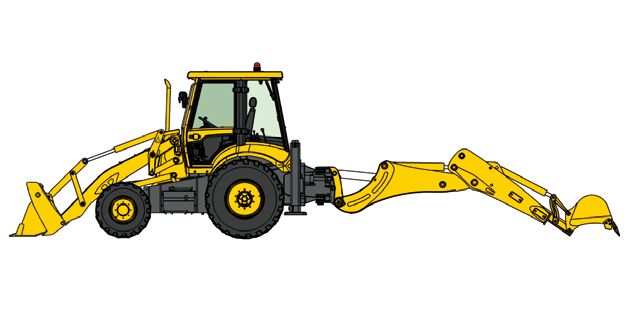
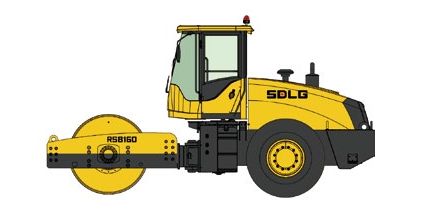
Explore the work Compare operator roles and equipment types. Common equipment includes excavators, loaders, bulldozers, graders, and road rollers. Duties vary by site and project. A shortlist of roles, equipment, and work settings that match your interests.
Meet entry requirements Check local requirements and prepare for site work. Employers may require a valid driver’s licence, proof of identity, physical ability to perform job tasks, and site-specific safety training. Requirements vary by location and employer. Required documents are current, and any local eligibility requirements have been confirmed.
Build foundational knowledge Learn equipment controls, operating principles, and hazard awareness. Training may be available through vocational programs, apprenticeships, or employer-based instruction. Look for supervised practice as well as classroom learning. Can explain basic controls, common hazards, and safe operating procedures for the equipment being learned.
Gain supervised experience Practice inspections, manoeuvring, and task-specific operation under supervision. Develop skills gradually, follow site instructions, and practise communication with ground workers and other equipment operators. Documented training or work experience, with feedback from a qualified supervisor.
Prepare for job applications Tailor a résumé to the equipment and work you can safely perform. List relevant training, equipment types, work history, safety instruction, and licences or certificates that apply in your area. Do not claim experience you do not have. A clear résumé and references who can verify relevant skills or work history.
Demonstrate safe work habits Follow the site safety plan and communicate before moving equipment. Use required personal protective equipment, respect exclusion zones, check surroundings, and follow spotter or signalling procedures where required. Consistent attention to people, vehicles, ground conditions, and site instructions.
Complete pre-use checks Inspect the machine before operation and report defects. Follow the operator’s manual and workplace checklist. Checks commonly cover visible damage, fluid leaks, tyres or tracks, attachments, controls, lights, and safety devices. Completed inspection records and prompt reporting of faults; do not operate unsafe equipment.
Maintain and improve skills Refresh training and learn updated procedures or equipment features. Attend required refresher or site training, review manufacturer instructions, and ask for feedback after new tasks or equipment changes. Up-to-date training records and demonstrated competence on assigned equipment.