Leave Your Message

Why Hire a Heavy Machine Operator?

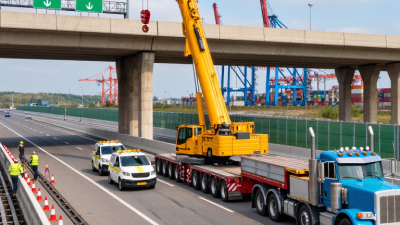
Why hire a Heavy Machine Operator? Because powerful equipment is only as effective as the person controlling it. A skilled operator can grade a site, move soil, or load materials with steady precision. That matters when a project depends on safe movement, reliable schedules, and careful use of costly machinery.

Skilled-trades advocate Mike Rowe has said, “The jobs are there. The skills are there. The people are there. The only thing missing is the connection.” His point speaks to a practical hiring challenge: finding capable workers and matching them to work that needs their skills. An experienced operator brings more than control of the levers. They check equipment before a shift, watch ground conditions, communicate with nearby crews, and notice when a machine sounds or feels different. Small details count. A worn track or uneven trench edge can change the day’s plan.

Hiring the right operator may reduce avoidable delays, equipment wear, and preventable site risks. It can also help supervisors coordinate work more confidently. Still, hiring alone is not a cure-all. Operators need clear instructions, maintained machines, and realistic schedules. I would not assume that experience on one machine guarantees skill on every machine. Ask about relevant equipment, site conditions, and safety practices. A thoughtful hire can make a visible difference—one careful pass at a time.
Why Hire a Heavy Machine Operator?

Where Heavy Machine Operators Fit in Construction and Earthmoving

Why Hire a Heavy Machine Operator?

Where Heavy Machine Operators Fit in Construction and Earthmoving

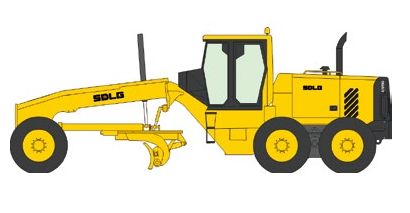
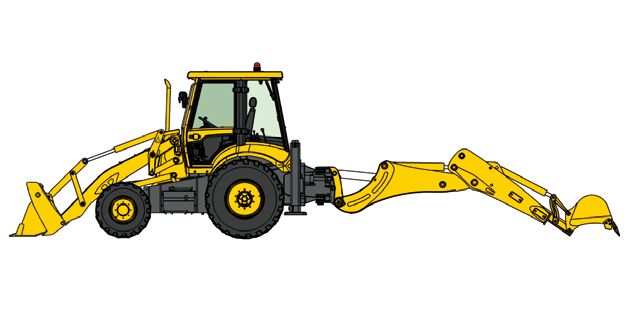
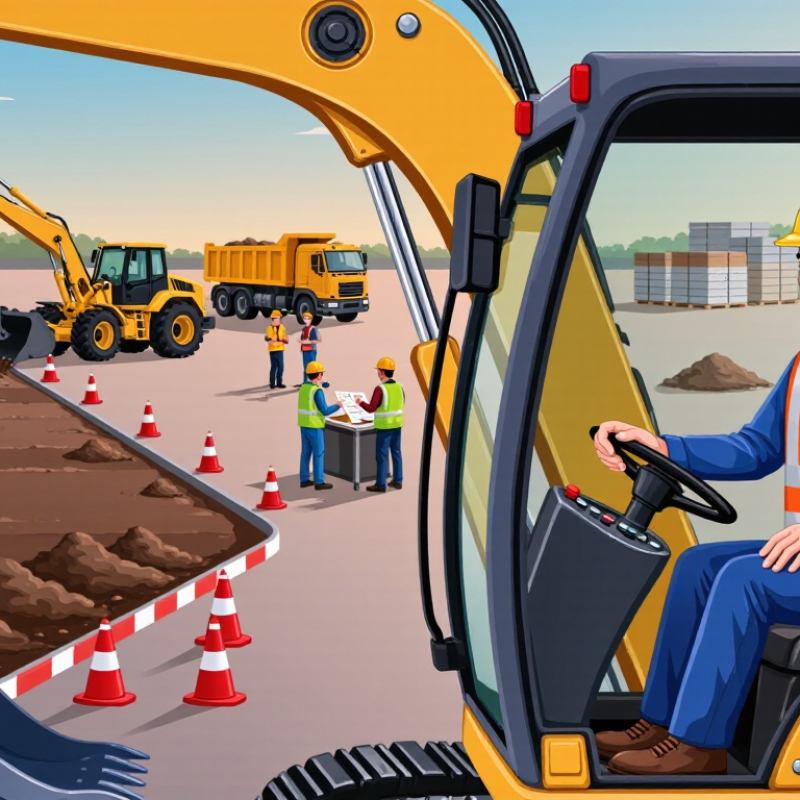
On a construction site, heavy machine operators turn plans into workable ground. They run excavators, loaders, graders, and dozers to clear brush, cut slopes, move soil, and shape access roads. Their work connects surveying, drainage, utility installation, and paving. A trench may look simple from above; its depth and edge stability matter to nearby crews. Skilled operators read grade stakes, watch changing soil, and coordinate with spotters by radio or hand signal. Timing counts. One careful pass can reduce rework, though it cannot fix a poor plan or bad weather.

Operators also keep earthmoving tasks flowing between crews. They load trucks at a steady pace, leave safe clearance around workers, and adjust movements when ground becomes soft or visibility drops. Before work, they check controls, tracks or tires, fluid leaks, alarms, and attachments. They report defects rather than guessing. Experience shows in small decisions: where to turn, how much material to take, and when to pause. The machine is powerful, but judgment matters more. Even good operators miss things sometimes. Regular communication and a willingness to stop and reassess help protect people, equipment, and the schedule. That pause can save a shift, though production pressure can make it harder than it sounds.

Essential Skills: Equipment Control, Site Plans, and Crew Coordination

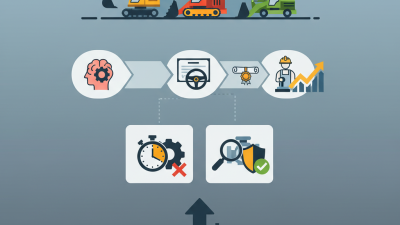
A heavy machine operator turns drawings into safe, workable ground. Smooth control matters: a bucket placed inches too far can damage a utility line or destabilize an edge. Operators adjust for soft soil, blind spots, and changing loads. The U.S. Bureau of Labor Statistics reported a median annual wage of $55,270 for construction equipment operators in May 2023. Skilled operation is more than seat time.

Reading site plans helps operators understand grades, drainage, access routes, and marked utilities before the machine moves. They compare drawings with the ground, then ask when something does not match. A plan can be outdated. That deserves a pause. BLS projected 4% employment growth for construction equipment operators from 2023 to 2033, reflecting steady demand for people who can work accurately across changing sites.

Crew coordination keeps that accuracy practical. Operators use agreed signals and radios, confirm who is in the blind zone, and stop when communication breaks down. BLS counted 1,075 fatal work injuries among construction and extraction occupations in 2023; that figure covers many roles, not equipment operators alone. It underlines why clear communication and hazard checks matter. Even careful crews can miss a change. A quick check can prevent a costly mistake.

Safety Considerations: BLS Recorded 1,069 Construction Fatalities in 2022

In 2022, 1,069 workers died in the construction industry, according to the U.S. Bureau of Labor Statistics’ Census of Fatal Occupational Injuries. That figure makes equipment safety more than a checklist item. A reversing loader, a suspended load, or a worker hidden in a machine’s blind spot can turn routine work into a fatal incident. A qualified heavy machine operator understands equipment limits, checks surroundings, and communicates with ground crews before moving. Small habits matter.

The Occupational Safety and Health Administration identifies struck-by and caught-in or -between hazards among construction’s major risks. Operators can reduce exposure by completing pre-operation inspections, using designated travel routes, and stopping when visibility is poor. Spotters and clear hand signals help, but they are not substitutes for training or a controlled work zone. Even experienced crews miss things. That deserves reflection.

Hiring a competent operator can also support safer coordination around changing site conditions. BLS data cannot tell us which individual control would have prevented each death, so no single hire guarantees safety. Employers still need site-specific hazard assessments, maintained equipment, and clear procedures. The operator should be able to explain the machine’s limits and speak up when a task feels unsafe. Safety depends on the whole crew.

Why Hire a Heavy Machine Operator?

Safety Considerations: 1,069 Fatal Work Injuries in Construction and Extraction Occupations in 2022

In 2022, the U.S. Bureau of Labor Statistics recorded 1,069 fatal work injuries among workers in construction and extraction occupations. Trained heavy machine operators can help support safer jobsite practices, but this figure covers the full occupational group and does not represent fatalities caused specifically by heavy machinery.

Source: U.S. Bureau of Labor Statistics, Census of Fatal Occupational Injuries, 2022.

Hiring Value: BLS Reported $55,270 Median Pay in 2023

Hiring a heavy machine operator can protect schedules, materials, and people when earthmoving work gets complicated. The wage picture also helps employers plan realistically. The U.S. Bureau of Labor Statistics reported a 2023 median annual pay of $55,270 for construction equipment operators. A median is the midpoint, not a guaranteed offer. Actual pay varies with experience, location, industry, and job conditions. That distinction matters.

A capable operator can read uneven ground, position a loader with care, and notice when a machine sounds different. Those decisions may reduce rework and prevent costly delays. Employers should weigh wages against skill, safety practices, and the equipment’s needs. A higher offer may make sense for demanding sites, but pay alone cannot ensure a good hire. Even careful estimates can miss local labor pressures.

Tips: Compare the BLS figure with current local postings. Ask candidates about similar machines and site conditions. Check how they approach daily inspections and clear communication. Keep the role expectations specific. A clean cut matters.

Workforce Outlook: BLS Projected 4% Job Growth for 2023–2033

Why Hire a Heavy Machine Operator?
Workforce Outlook: BLS Projected 4% Job Growth for 2023–2033

Heavy machine operators turn plans into graded ground, stable trenches, and safely moved materials. The U.S. Bureau of Labor Statistics projects 4% employment growth for construction equipment operators from 2023 to 2033. That is about as fast as the average for all occupations. BLS also projects roughly 46,200 openings each year, largely as workers retire or leave the occupation. Those openings matter beyond the growth rate alone. They point to ongoing replacement needs, not a guarantee of easy hiring. Demand will vary with regional projects, funding, and construction activity.

For employers, the outlook makes trained operators valuable on active sites. The Associated General Contractors of America and NCCER’s 2024 workforce survey found that 92% of firms with craft openings struggled to fill at least some roles. The survey covers construction employers broadly, not operators alone. Still, the hiring pressure is relevant. An operator who can read grade stakes, inspect tracks, and coordinate with spotters can help limit idle equipment and rework. Small habits count. Checklists, clear radio calls, and careful positioning support safer, steadier work. Experience is not a shortcut around training; sound judgment develops over time.