Leave Your Message

Why Is Heavy Machinery So Expensive?

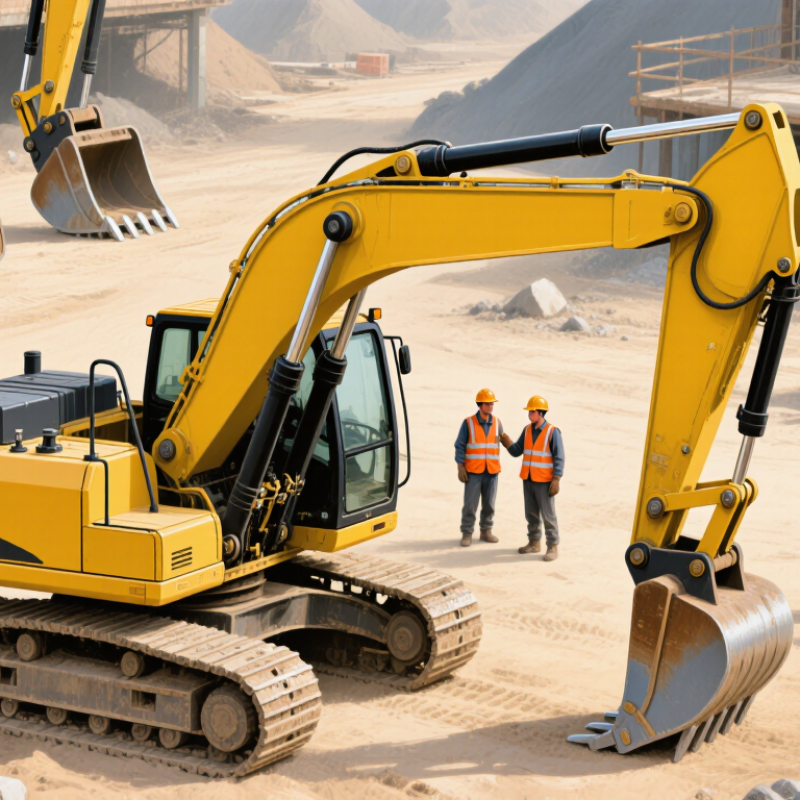
At a construction site, a 40-ton excavator can look like a simple tool with a very large price tag. Its cost, however, reflects far more than steel and engine power. Heavy Machinery must move earth safely, work through dust and vibration, and keep performing across long shifts. That takes carefully engineered frames, high-output drivetrains, hydraulic systems, and components tested under demanding loads. Small details matter. A reinforced boom or a reliable pump can prevent costly downtime when schedules are tight.

The purchase price also includes design, factory labor, transport, dealer support, and warranties. Many machines use specialized parts, while lower production volumes limit the savings common in cars and consumer electronics. Fuel use, maintenance access, operator comfort, and resale value affect the real cost over a machine’s working life. A cheaper unit may cost more later if it needs frequent repairs or sits idle awaiting parts. Downtime is expensive. Still, price alone cannot prove quality. Buyers should compare capacity, service coverage, expected hours, and total ownership costs against actual job needs. Those estimates can be imperfect; workloads change, and repair costs are hard to predict exactly.

Understanding these factors makes the question more useful than asking why the sticker price seems high. It helps explain what buyers pay for, where costs come from, and which expenses deserve close scrutiny before investing.
Why Is Heavy Machinery So Expensive?

What Counts as Heavy Machinery and How Its Price Is Set

Heavy machinery includes equipment built for demanding work: excavators, cranes, bulldozers, loaders, and large agricultural or industrial machines. These machines move heavy loads, dig through compacted soil, lift materials, or operate for long hours in harsh conditions. A machine’s size alone does not define its cost. Its intended task, operating capacity, and required precision matter just as much.

Price starts with engineering and materials. Strong frames, reinforced joints, hydraulic systems, powerful engines, and durable tracks all add cost. Some machines are produced in smaller volumes, so design and manufacturing expenses are spread across fewer units. Transport, setup, attachments, and operator controls can raise the final quote too. It adds up.

When comparing prices, check what the quoted amount includes; two machines that look similar may have different lifting capacities or included tools.

Condition changes the equation for used equipment. Engine hours, maintenance records, visible leaks, worn pins, and undercarriage wear can signal future repair costs. A lower purchase price may not mean a lower total cost. I would treat any quick estimate cautiously: inspection quality and local transport costs can shift the number substantially. Even a clean-looking machine may hide wear in hard-to-see components.
How Design and Engineering Drive Equipment Costs

Heavy machinery costs more than its steel frame suggests. Engineers must design for vibration, heavy loads, dust, temperature swings, and years of repeated use. A loader arm, for example, needs enough strength to resist bending without adding unnecessary weight. That balance takes analysis, prototypes, and testing under realistic conditions. Simulation can reveal stress points, but field trials still matter. Real soil is messy.

Design choices affect many connected systems. A stronger frame may require larger pins, bearings, and hydraulic components. Those parts add material and assembly costs. Cooling systems must also handle heat from engines and hydraulics during long work cycles. Operator visibility, stable controls, and protective structures take careful engineering, too. Small details count. A service panel that opens easily can reduce repair time, while poor access may turn a simple inspection into a frustrating job. I have seen design trade-offs look obvious only after equipment reaches a worksite; engineers cannot predict every condition. Custom configurations and tighter manufacturing tolerances can further raise costs, especially when production volumes are low. The price reflects not just the machine, but the design work needed to make it dependable and maintainable.

Why Materials and Manufacturing Require Large Investments

Heavy machinery costs a great deal because its materials must withstand years of weight, vibration, heat, and outdoor exposure. A loader frame, for example, may use thick steel plates, reinforced joints, and wear-resistant parts. These materials cost more than ordinary sheet metal, and they are harder to cut, shape, and weld accurately. A small flaw near a stressed joint can lead to expensive repairs later. That matters.

Manufacturing adds another major investment. Large components need heavy-duty presses, precision cutting systems, welding equipment, and specialized fixtures. Those machines are costly to buy, maintain, and operate, even when production slows. Skilled workers also spend time fitting parts, checking measurements, and correcting welds. The process cannot always be rushed without risking poor alignment or early wear.

After assembly, manufacturers test hydraulic systems, brakes, controls, and structural strength. Testing takes floor space, energy, and trained staff. Some designs need repeated adjustments before they perform reliably under load. It is easy to overlook the cost of those revisions, especially when a finished machine looks simple from the outside. Costs differ by machine type and production volume, but durable materials and careful manufacturing remain substantial parts of the price.

Why Is Heavy Machinery So Expensive? - Why Materials and Manufacturing Require Large Investments

Cost Area Materials or Manufacturing Requirement Why It Requires Investment Typical Cost Impact
Structural frame and chassis Thick steel plate, structural sections, or cast components Frames must support heavy loads and resist bending, vibration, and repeated stress. Large components also require substantial material handling and fabrication capacity. High
Wear-resistant parts Hardened steel used in buckets, blades, tracks, and other ground-contact components Hardness and toughness must be balanced so parts resist abrasion without becoming too brittle. Heat treatment and careful quality checks add manufacturing steps. Medium to high
Large castings and forgings Cast iron or steel castings, and forged steel parts where high strength is needed Producing large, sound parts requires specialized molds, furnaces, presses, and inspection. Defects can make a high-value component unusable. High
Precision machining Machined bores, shafts, bearing seats, and hydraulic-cylinder surfaces Large components must be held and machined accurately. This requires heavy-duty machine tools, custom fixtures, skilled operators, and extra machining time. High
Hydraulic system Hydraulic pumps, valves, cylinders, hoses, and precision-finished surfaces Hydraulic equipment operates under high pressure and must control motion reliably. Components need accurate clearances, sealing, contamination control, and pressure testing. Medium to high
Welding and fabrication Thick sections joined using qualified welding procedures Heavy weldments require suitable power, fixtures, preparation, and trained labor. Inspection and possible rework are important because structural welds carry significant loads. Medium to high
Heat treatment and finishing Controlled heating and cooling, surface hardening, coating, and corrosion protection These processes improve wear resistance or service life, but need dedicated equipment, process control, energy, and additional handling. Medium
Assembly and testing Integration of mechanical, hydraulic, electrical, and safety systems Large machines take time and specialized facilities to assemble. Functional checks help identify leaks, faults, and performance issues before delivery. Medium to high
Factory equipment and tooling Heavy lifting systems, large machine tools, welding cells, and dedicated fixtures Manufacturers must invest in equipment capable of moving and processing oversized parts. The cost of this capacity is reflected across production. High

Cost impacts are qualitative, not quoted prices. Actual costs vary with machine size, design, production volume, material specifications, and required operating conditions.

How Testing, Safety Standards, and Customization Add to Prices

Heavy machinery costs more than steel, engines, and assembly. Before a machine reaches a worksite, it may undergo repeated tests under load. Engineers check braking, stability, vibration, heat, and hydraulic performance. A loaded bucket can shift a machine’s balance in seconds. Testing helps reveal weaknesses before that happens on a job.

Safety standards also add time and expense. Guardrails, emergency shutoffs, visibility aids, and protective cab structures need careful design and inspection. Components may be tested separately, then evaluated as part of the complete machine. Documentation matters, too. Records help buyers and operators understand safe limits and maintenance needs. That paperwork is not glamorous, but skipping it would be a poor bargain.

Customization can raise the price further. A machine ordered for a narrow tunnel may need a smaller frame, different lighting, and adjusted controls. A unit for cold conditions may require specialized fluids, insulation, and easier service access. These changes can mean extra engineering, low-volume parts, and additional testing. Small details add up. I’ve seen buyers focus on the purchase price and overlook how a custom configuration affects repairs later. That concern is real, though a standard machine may not fit every site. The best value depends on the work, the conditions, and the people maintaining it.

How Transport, Maintenance, and Support Affect Total Cost

Heavy machinery costs more than its purchase price suggests. Transport can add a substantial amount, especially when a machine is wide, heavy, or headed to a remote site. A low freight quote may not include route surveys, special loading equipment, or extra handling at the destination. A narrow bridge or soft access road can change the plan. That adds up. Buyers often underestimate delivery costs because the machine’s final route is not always clear when they request a quote.

Maintenance creates another long-term expense. Filters, hydraulic hoses, tires, and scheduled inspections all require time and money. Dusty work sites can shorten service intervals, while waiting for parts can leave costly equipment idle. Support matters, too: technician availability, clear troubleshooting guidance, and access to replacement parts can reduce delays. Estimates are never perfect; even careful budgets may miss an unexpected repair or a slow service call.

Tips: Ask for delivery costs to the actual work site, not just the nearest depot. Request a written maintenance schedule and clarify what support is available after delivery. Compare expected downtime as well as service prices. A cheaper machine may still cost more to keep working.