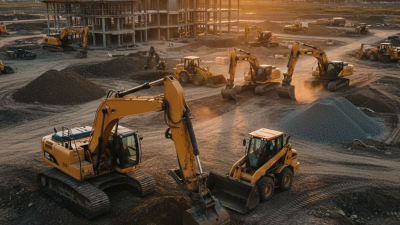
Why Choose Excavation Equipment for Global Buyers?
Global buyers choose Excavation Equipment for more than digging power. They need dependable performance across different soils, climates, work cultures, and project schedules. A compact excavator may suit a narrow urban site, while a hydraulic excavator may handle deep foundations or quarry work. The decision becomes practical when buyers compare operating weight, bucket capacity, fuel use, attachment compatibility, and transport requirements.
Caterpillar Chairman and CEO Jim Umpleby has described the company’s purpose as “helping our customers build a better world.” This idea reflects the wider value of Excavation Equipment. Reliable machines can reduce idle time, improve site productivity, and support safer daily operations. However, specifications alone cannot guarantee success. Local dealer training, spare-parts availability, maintenance response, and operator experience matter just as much. A machine with impressive horsepower may perform poorly when attachments are unavailable or service support is distant.
Real buying decisions are rarely perfect. Budget pressure can encourage buyers to choose cheaper equipment, even when lifetime costs become higher. That deserves reflection. Global purchasers should examine total ownership costs, not only the purchase price. They should also request service records, conduct field demonstrations, and verify the machine’s suitability for local conditions. Mud, dust, extreme heat, and limited transport access can expose weaknesses quickly. The strongest choice is not always the largest machine. It is the equipment that keeps working, receives timely support, and matches the job with fewer compromises.
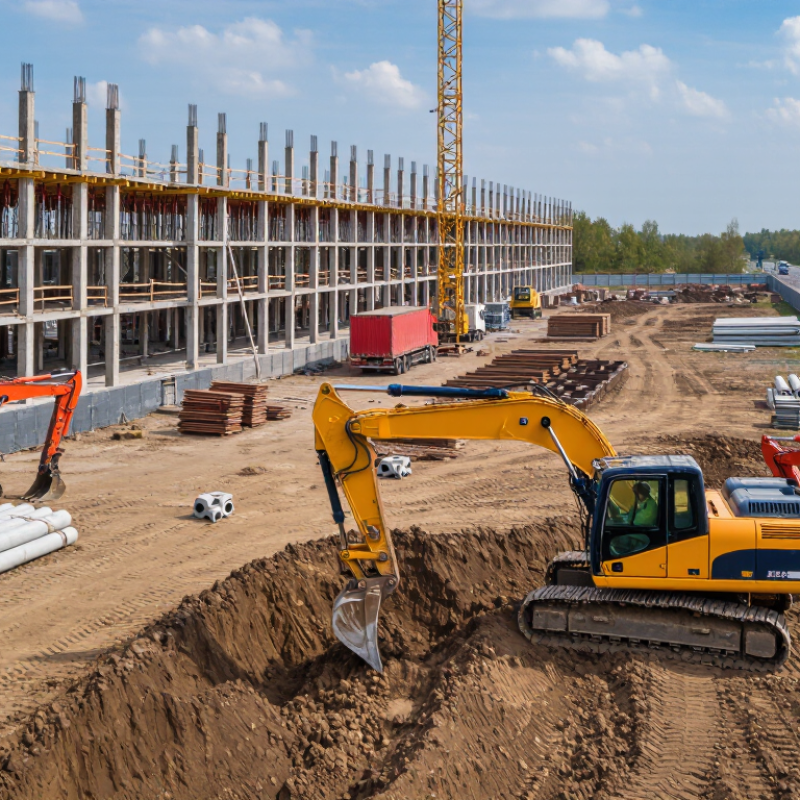
What Is Excavation Equipment and What Does It Include?
Excavation equipment refers to machines used to dig, loosen, move, and shape soil or rock. It supports foundations, drainage channels, roadwork, landscaping, and utility installation. The category includes hydraulic excavators, mini excavators, backhoe loaders, trenchers, bulldozers, and wheel loaders. Each machine suits a different working condition.
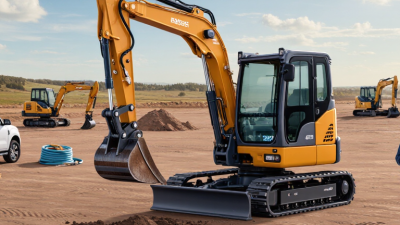
A hydraulic excavator usually combines a boom, arm, bucket, hydraulic system, cab, and tracked or wheeled undercarriage. Smaller excavators work well beside buildings or inside narrow yards. Larger models provide deeper digging and stronger lifting capacity. Buckets may be replaced with augers, grapples, rippers, or hydraulic breakers. These attachments change the machine’s role without requiring a completely new unit. It is a practical advantage.
Global buyers should examine operating weight, digging depth, engine output, fuel use, transport size, and attachment compatibility. Soil type matters too. Clay can cling to a bucket, while fractured rock demands stronger tools and careful inspection. I have seen buyers focus on purchase price and overlook local service access. That decision can create long delays. Not every site needs the largest machine. A reliable unit with clear maintenance records, safety controls, and available replacement parts is often more useful. Check hydraulic leaks, track wear, weld quality, control response, and documented testing before shipment. Some specifications still look impressive on paper but perform poorly in real ground conditions.
Which Global Construction Tasks Require Excavation Equipment?
Excavation equipment is required when construction work must move, shape, or remove large volumes of earth.
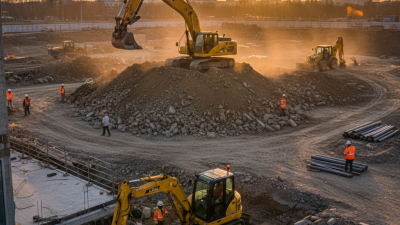
Building foundations often need controlled digging through clay, gravel, or weathered rock. Basement projects demand accurate depth, stable sidewalls, and careful spoil placement. On a working site, machine reach and bucket size affect speed and ground disturbance. Small urban sites usually need compact equipment, while deep infrastructure corridors require longer reach and greater lifting capacity.
Road construction relies on excavation equipment for cut-and-fill operations, subgrade preparation, and drainage channels.
Utility projects use it to open trenches for water, sewer, power, and communications lines. Operators must protect existing services and maintain safe trench geometry under local rules. Equipment also supports bridge approaches, flood-control channels, retaining-wall foundations, and land grading.
Wet soil changes everything. It can reduce traction, collapse trench edges, and delay hauling.
From practical site inspections, the best choice begins with soil reports, access limits, production targets, and attachment needs.
A machine that looks powerful may be unsuitable on soft ground or narrow streets. I have seen schedules suffer because transport width was ignored.
That detail matters.
Dust, noise, runoff, and nearby structures also require planning, records, and regular checks. Operators need verified training, daily inspections, and clear communication with surveyors and site supervisors.
Some estimates still rely too heavily on ideal weather. Real sites are rarely so cooperative.
How Do Equipment Types Differ in Size, Function, and Performance?
Excavation equipment differs mainly in size, purpose, and operating strength. Mini excavators suit narrow roads, gardens, and indoor renovation sites. Their compact frames reduce ground disturbance, but digging depth and lifting capacity remain limited. Standard excavators handle deeper trenches, heavier soil, and larger construction projects. Large machines deliver stronger hydraulic performance, although transport costs and site access become serious concerns. Field inspections often show that buyers choose excessive power for simple work. That decision increases fuel use and may reduce productivity.
Equipment function also depends on attachments and hydraulic flow. A bucket supports general digging, while a breaker handles concrete and hard rock. Long-reach arms improve access to deep or distant areas. Wheel-based models move quickly across firm surfaces, while tracked machines provide better stability on uneven ground. Performance is not only about engine power. Cycle time, operator visibility, maintenance access, and control accuracy matter equally. In practice, the neat comparison often breaks down. Soil conditions can change the result.
Tips: Match machine size with the narrowest work area, not the largest task. Check rated lifting capacity, digging depth, transport limits, and local safety requirements. Request verified test data and maintenance records from the supplier. A short site trial can reveal problems that brochures miss. Allow room for human error. Dawns and weather often reduce real output.
Why Choose Excavation Equipment for Global Buyers?
How Equipment Types Differ in Size, Function, and Performance
Excavation equipment varies significantly in operating weight and engine power. Mini excavators and skid steer loaders are easier to transport and are well suited to urban construction, landscaping, and restricted work areas. Crawler excavators, wheel loaders, and bulldozers provide greater digging, loading, grading, and earthmoving capacity for large infrastructure and mining projects.
Data shown represents typical mid-range specifications for each equipment category. Actual values vary according to configuration, attachments, operating conditions, and regional regulations.
What Factors Should Global Buyers Consider Before Choosing?
Why Choose Excavation Equipment for Global Buyers?
What Factors Should Global Buyers Consider Before Choosing?
Choosing excavation equipment requires more than comparing prices. Buyers should match the machine to soil type, project scale, working space, and expected operating hours. A compact excavator may suit narrow urban sites, while a larger unit can handle deep trenching and heavy clay. Check digging depth, lifting capacity, hydraulic performance, fuel use, and attachment compatibility. These details affect daily productivity.
Local conditions matter greatly. Confirm the machine meets destination safety, emissions, noise, and import requirements. Ask for clear technical specifications, maintenance records, inspection photos, and warranty terms. Reliable suppliers should explain parts availability and service response times. A low purchase price can be misleading. Delayed parts may stop a project for weeks. That risk deserves a realistic cost estimate.
Tips: Inspect the boom, bucket pins, tracks, hydraulics, and engine area. Look for leaks, unusual smoke, uneven wear, or damaged hoses. Request a live operating test when possible. Compare total ownership costs, including transport, training, fuel, repairs, and storage. Do not rely only on translated brochures. Ask practical questions about performance in your soil and climate. A careful buyer may still overlook one detail, so use an independent technician before payment.

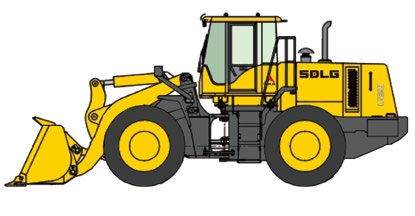 Wheel Loader
  Excavator
 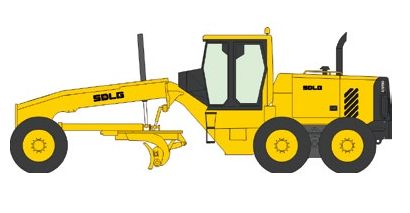 Motor Grader
 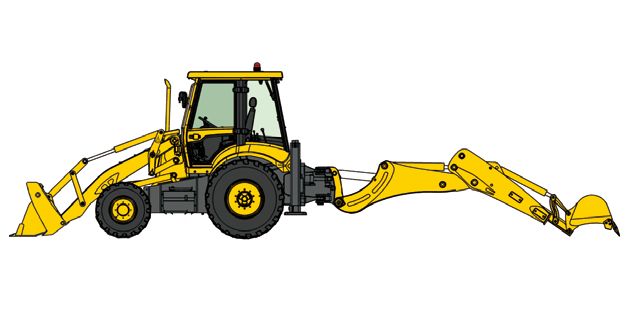 Backhoe Loader
 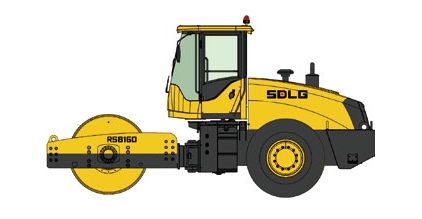 Road Roller
 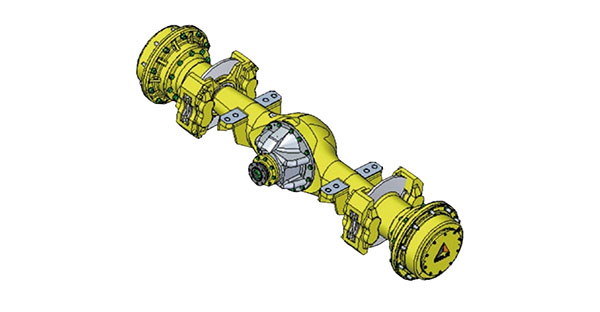 Spare Parts