Leave Your Message

What Are the Top Mini Excavator Types for Global Buyers?

Global construction sites are becoming more space-conscious, fuel-conscious, and productivity-focused. That shift places the Mini Excavator at the center of many equipment decisions. Contractors now work beside buildings, roads, utility lines, and landscaped areas. A machine that turns neatly can prevent costly site disruption.

Industry reports support this growing relevance. Off-Highway Research identifies compact excavators as a major equipment segment, driven by urban construction, rental demand, and infrastructure maintenance. KHL Group’s International Construction magazine also tracks strong global competition among excavator manufacturers in its annual Yellow Table report. These sources show market scale, but they do not select the right machine for every job. That distinction matters.

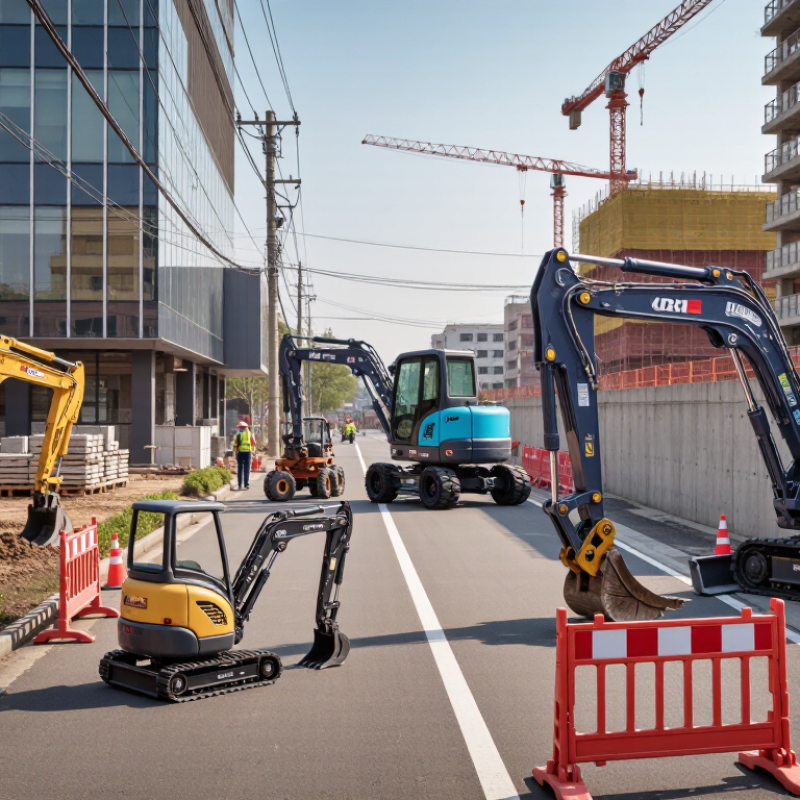
The top Mini Excavator types include micro excavators, zero-tail-swing models, conventional tail-swing machines, wheeled excavators, and battery-electric units. Each type solves a different problem. A micro excavator may pass through a 900-millimeter gate. A zero-tail-swing model can rotate beside a wall with less collision risk. A wheeled version moves quickly across paved streets, while an electric model can reduce noise inside buildings. Small details decide real performance.

Weight matters.

Digging depth, auxiliary hydraulic flow, transport limits, operator visibility, and local service support deserve equal attention. The Association of Equipment Manufacturers and European construction equipment data provide useful market context, yet regional conditions still vary sharply. Manufacturer claims can also sound better than field results. This outline will compare leading Mini Excavator types through practical use cases, operating costs, attachment compatibility, and buyer risk. No ranking fits every global buyer. That is the part worth reconsidering.
What Are the Top Mini Excavator Types for Global Buyers?

Mini Excavator Types by Size, Weight, and Working Capacity

Mini excavators are not defined by size alone. Global buyers should compare operating weight, digging reach, and working capacity together. A compact model under two tonnes suits garden trenches, indoor renovation, and narrow access. It usually creates less ground pressure. However, its lifting ability may feel limited on rocky sites.

Machines from two to five tonnes offer a practical balance. They can handle drainage work, utility installation, light demolition, and general construction. Their greater counterweight improves stability, especially during side lifting.

Larger models above five tonnes provide deeper digging, stronger breakout force, and better attachment performance. They also need wider transport routes and stronger ground support. Check bucket capacity, maximum digging depth, tail swing, and hydraulic flow before choosing. Weight figures can differ between configurations, so verify the complete operating weight.

Tips: Match the machine to the hardest regular task, not the easiest one. Measure gates, ramps, and transport equipment carefully. Review soil conditions and attachment requirements with an experienced operator. A small mistake in weight estimation can cause delays. Sometimes, buyers focus too much on engine power. That is not always wise. A powerful machine may still work poorly with an unsuitable bucket or weak hydraulic output. Field experience shows that balanced capacity, stable operation, and dependable service support often matter more than headline specifications.

Tracked, Wheeled, and Compact Mini Excavator Configurations

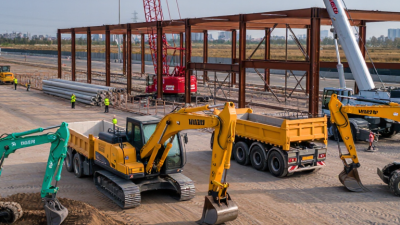
Global buyers usually compare tracked, wheeled, and compact mini excavator configurations by ground conditions, transport limits, and attachment needs. Fortune Business Insights valued the global excavator market at USD 63.14 billion in 2023. That figure includes larger machines, but it signals strong equipment demand worldwide.

Tracked mini excavators remain the safer choice for muddy soil, slopes, and unfinished sites. Their steel or rubber tracks spread machine weight across a wider area. A 2.5-ton unit can work beside a house without leaving deep tire ruts. Rubber tracks are quieter, but abrasive concrete can shorten their service life. That trade-off is easy to miss.

Wheeled mini excavators suit paved roads, urban maintenance, and fast movement between nearby jobs. They usually travel faster and reduce damage to finished surfaces. However, they need firmer ground and careful stabilizer placement.

Compact configurations, often below six tonnes, fit through narrow gates and crowded backyards. ResearchAndMarkets.com’s compact construction equipment outlook identifies urban development and utility work as key demand areas. Real experience complicates the choice: a compact tracked machine may outperform a wheeled model after heavy rain, while a wheeled unit saves time on dry streets. Specs alone do not decide it. Operators should check tail swing, transport weight, hydraulic flow, and local terrain before ordering.

Electric, Diesel, and Hybrid Mini Excavator Power Systems

What Are the Top Mini Excavator Types for Global Buyers?

Electric, Diesel, and Hybrid Mini Excavator Power Systems

Electric mini excavators suit indoor renovation, urban landscaping, and noise-sensitive work. Their quiet motors make conversations easier beside homes and hospitals. Zero tailpipe emissions also improve air quality around enclosed job sites. A typical operator should check battery capacity, charging access, and daily digging hours. Fast charging helps, but it may require suitable electrical infrastructure. Cold weather can reduce available battery power. That detail is often underestimated.

Diesel models remain practical for remote construction, agriculture, and long shifts. They refuel quickly and support demanding hydraulic work without waiting for a recharge. However, operators must plan ventilation, fuel storage, engine maintenance, and exhaust exposure. Dusty ground can shorten filter life. Service access matters more than a brochure suggests. A reliable local technician can prevent several days of downtime.

Hybrid mini excavators combine an engine with electric assistance during lifting, swinging, or idling. This design can reduce fuel use when the work cycle changes frequently. It may also provide smoother response in repetitive trenching. Yet hybrid systems bring extra components and more diagnostic complexity. A lower fuel bill does not guarantee lower ownership cost. My early preference was hybrid power for every buyer, but that view needs correction. The best match depends on workload, climate, charging options, and service capability. Test the machine on real soil, not only on a demonstration pad.

Specialized Mini Excavators for Construction, Agriculture, and Utilities

What Are the Top Mini Excavator Types for Global Buyers?

Specialized Mini Excavators for Construction, Agriculture, and Utilities

Construction sites often need compact machines that fit through narrow gates and between unfinished walls. A standard tail-swing mini excavator suits trenching, foundation work, drainage, and small demolition projects. Models weighing 1.5 to 3.5 tons usually balance lifting power with transport efficiency. Rubber tracks reduce surface damage on finished paving. A hydraulic thumb also helps operators handle pipes, timber, and broken concrete.

Agricultural buyers may prefer a compact excavator with a long-reach boom or offset boom. These configurations improve access beside irrigation channels, ponds, and tree rows. Wider tracks can reduce ground pressure on soft soil. Attachments such as augers, grading buckets, and brush cutters expand seasonal use. However, narrow tracks may still perform better between closely planted crops. The right choice depends on soil, crop spacing, and local service support.

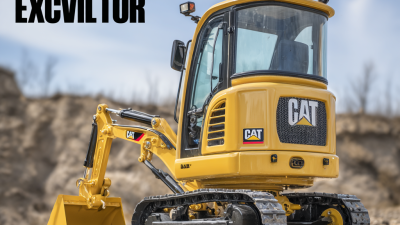
Utility contractors often choose zero-tail-swing excavators for work beside roads, walls, and active facilities. Their rear body stays within the track width during rotation. That feature improves clearance, but it does not remove all site risks. Operators still need visibility, stable ground, and careful control near buried services. I have seen buyers focus heavily on engine power and overlook hydraulic flow. That assumption can be costly when specialized attachments work slowly. Fuel access, spare parts, operator training, and maintenance records deserve equal attention. Small details matter.

How Global Buyers Can Match Excavator Types to Job Requirements

Global buyers often start with digging depth, but ground conditions should lead the decision. A compact mini excavator suits narrow gardens, urban repairs, and indoor renovation sites. Its short tail swing reduces contact risks near walls. A zero-tail model can turn in tighter spaces, although stability may suffer on steep or uneven ground. For drainage trenches, a standard tracked excavator usually offers better balance and digging force. Wheeled versions move quickly between paved work zones, but they need suitable support on soft soil. Weight matters too. A machine below transport limits can reduce planning pressure and delivery costs. Yet the lightest option is not always the cheapest choice.

Tips: Write down trench depth, soil type, access width, attachment needs, and daily working hours. Measure the narrowest entrance, not the gate’s advertised width. That small detail can prevent an expensive return.

Match hydraulic flow to the attachment, not merely to the machine’s rated power. A breaker, auger, tilt bucket, or grading blade may require different flow and pressure. Ask for verified operating data, service intervals, safety documentation, and parts availability in your region. Experienced operators also inspect the boom, pins, tracks, cooling system, and auxiliary lines before purchase.

For hot climates, dust protection and cooling capacity deserve extra attention. Cold regions may need suitable fluids and reliable starting systems.

Noise limits and ground pressure can shape site approval. I have seen buyers focus on purchase price, then lose time through poor attachment compatibility.

That mistake is easy to repeat. A local technician’s inspection is worth considering, especially when specifications look unusually attractive. Leave room for uncertainty; soil reports and brochures never tell the whole story.