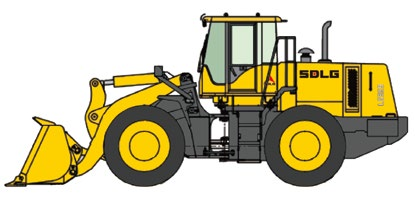
 Wheel Loader
 Excavator
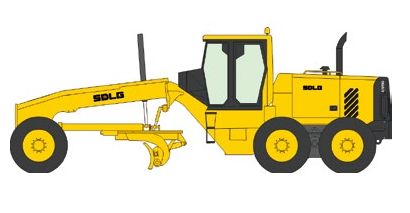 Motor Grader
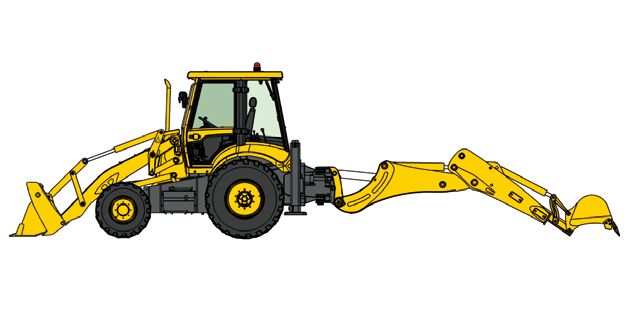 Backhoe Loader
 Road Roller
 Spare Parts
Leave Your Message
Moving excavators, cranes, loaders, and other oversized machinery across borders requires careful planning. Heavy Equipment Movers manage more than pickup and delivery. They coordinate site access, equipment measurements, route surveys, port handling, ocean freight, and final unloading. A machine may fit one trailer but fail at a low bridge or narrow terminal entrance. Small details matter.
This guide examines the Top 10 Heavy Equipment Movers for International Shipping. It focuses on practical experience, technical capability, communication, and shipment reliability. Strong providers should understand flat-rack containers, roll-on/roll-off vessels, breakbulk cargo, heavy-haul permits, and secure cargo lashing. They should also explain insurance coverage, documentation, customs procedures, and realistic delivery timelines. Clear answers build trust. Vague promises do not.
Every project is different.
A 40-ton excavator needs a different transport plan than a compact wheel loader. Some movers excel with port-to-port freight, while others provide complete door-to-door coordination. Rankings can never replace direct verification. Service quality may vary by country, season, equipment type, and destination port. Quotes can also change after a physical inspection or route review. That is an uncomfortable detail, but it deserves attention. Readers should compare written proposals, confirm credentials, inspect contract terms, and ask how delays are handled. The companies discussed here represent useful starting points, not automatic guarantees. Careful preparation remains the strongest protection for valuable machinery and international delivery schedules.
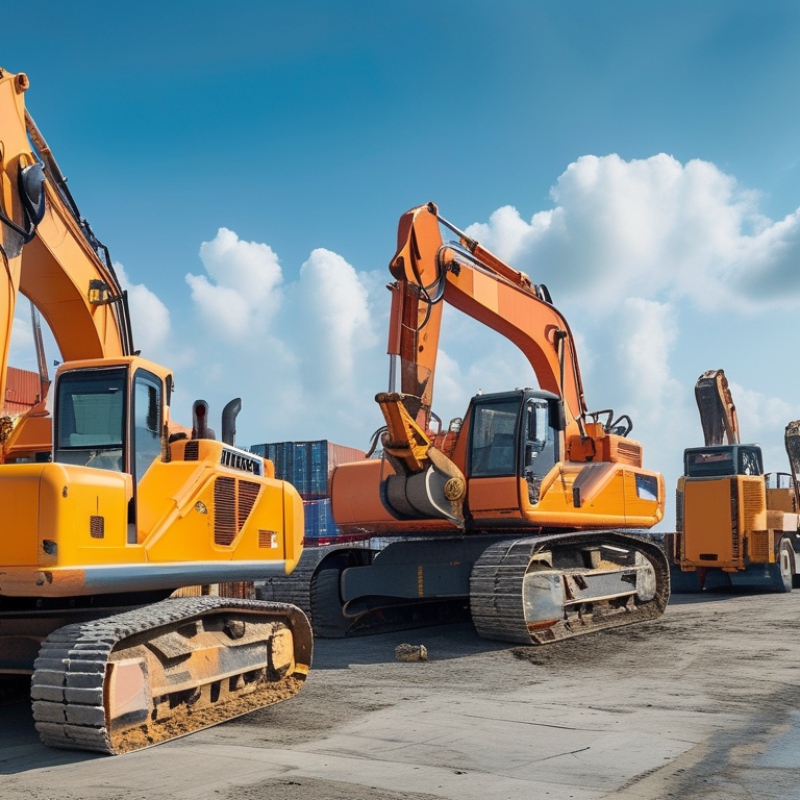
Top 10 Heavy Equipment Movers for International Shipping
Heavy equipment movers are defined by more than advertised vessel space. Cargo type reveals their real capability. Excavators may need roll-on/roll-off handling, while oversized cranes often require flat racks or project cargo vessels. Agricultural machines need careful loading and protection from salt air. Experienced movers inspect dimensions, weight distribution, lifting points, and fuel conditions before booking transport. Small details matter.
Fleet strength also separates reliable operators from general freight providers. Look for low-bed trailers, self-propelled modular transporters, heavy-lift cranes, and suitable ocean equipment. Capacity should match both the machine and the handling site. A 90-ton loader may fit a vessel but exceed a terminal’s lifting limit. That mistake is expensive.
Routes require equal attention. Strong movers connect industrial ports, inland terminals, and remote construction regions through planned transshipment points. They understand port congestion, seasonal weather, road restrictions, and lawful customs documentation. Still, no ranking is perfect. Availability changes quickly, and the cheapest quote can hide waiting fees or extra lifting charges. Ask for recent project references, cargo insurance details, inspection records, and a written route plan. I would also request loading photographs. They often reveal more than polished sales language.
| Capability Rank | Anonymous Mover Profile | Primary Cargo Type | Typical Fleet Mix | Common International Routes | Indicative Single-Piece Capacity | Typical Service Strength |
|---|---|---|---|---|---|---|
| 1 | Profile A — Project Cargo Specialist | Mining trucks Large excavators Generators | Ro-ro vessels, heavy-lift ships, modular hydraulic trailers, self-propelled modular transporters, and port cranes. | East Asia–Middle East; Europe–West Africa; North America–South America. | 80–500 metric tons per piece, subject to port and vessel limits. | Integrated port handling, route engineering, permits, marine transport, and final-mile delivery for oversized project cargo. |
| 2 | Profile B — Oversized Construction Fleet Mover | Crawler cranes Drilling rigs Piling equipment | Ro-ro vessels, breakbulk ships, lowboy trailers, extendable trailers, and multi-axle hydraulic trailers. | Europe–North America; East Asia–Southeast Asia; Europe–Mediterranean ports. | 60–350 metric tons per piece. | Disassembly planning, component consolidation, heavy haulage, and delivery to construction and infrastructure sites. |
| 3 | Profile C — Energy and Industrial Cargo Mover | Transformers Turbines Pressure vessels | Heavy-lift vessels, deck barges, modular trailers, SPMT systems, and specialized lifting equipment. | Europe–Middle East; Asia–Europe; North America–Middle East. | 100–1,000 metric tons for engineered project shipments. | Route surveys, bridge analysis, tandem lifting, load spreading, and controlled delivery to power or industrial facilities. |
| 4 | Profile D — Agricultural and Forestry Equipment Mover | Combines Tractors Harvesters | Ro-ro vessels, container chassis, flat-rack equipment, step-deck trailers, and standard curtain-side trailers. | North America–Europe; Europe–South America; East Asia–Oceania. | 10–80 metric tons per unit. | High-volume seasonal shipments, machinery preparation, roll-on/roll-off loading, and dealer or farm-site delivery. |
| 5 | Profile E — Port and Material-Handling Mover | Reach stackers Forklifts Container cranes | Ro-ro vessels, heavy-lift ships, mafi trailers, low-bed trailers, and port handling cranes. | Europe–Africa; Asia–Middle East; North America–Caribbean. | 15–250 metric tons per unit. | Port-to-port positioning, terminal coordination, machinery preservation, and short-sea or deep-sea connections. |
| 6 | Profile F — Road and Rail Machinery Mover | Asphalt pavers Milling machines Track machines | Ro-ro vessels, flat-rack containers, low-loaders, modular trailers, and rail-compatible loading equipment. | Europe–North Africa; East Asia–Oceania; North America–Central America. | 15–120 metric tons per piece. | Multimodal planning across road, rail, and sea with emphasis on dimensions, axle loads, and rapid project-site delivery. |
| 7 | Profile G — Marine and Offshore Equipment Mover | Offshore modules Workboats Subsea equipment | Deck carriers, heavy-lift vessels, barges, tugboats, SPMTs, and floating cranes. | North Sea–West Africa; Gulf region–South Asia; East Asia–Southeast Asia. | 50–2,000 metric tons, depending on vessel and lifting arrangement. | Marine warranty coordination, sea fastening, weather planning, offshore mobilization, and port-to-port project execution. |
| 8 | Profile H — Defense and Special-Mobility Mover | Armored vehicles Engineering vehicles Mobile bridges | Ro-ro vessels, chartered cargo aircraft, flat-rack equipment, low-loaders, and secure storage trailers. | Europe–Middle East; North America–Europe; Asia–Indian Ocean routes. | 10–120 metric tons per vehicle or component. | Controlled documentation, secure handling, convoy planning, customs coordination, and time-sensitive delivery. |
| 9 | Profile I — Modular Building and Structural Cargo Mover | Prefabricated modules Steel structures Building systems | Breakbulk ships, flat-rack containers, deck barges, extendable trailers, and multi-axle platform trailers. | East Asia–Europe; Europe–North America; Asia–East Africa. | 20–300 metric tons per module. | Dimension control, lifting-point verification, sequence-based loading, weather protection, and site logistics. |
| 10 | Profile J — General Heavy-Haul and Machinery Mover | Wheel loaders Bulldozers Telehandlers | Ro-ro vessels, container shipping, flat-rack units, step-deck trailers, and conventional heavy-haul trucks. | Europe–Africa; North America–South America; Asia–Oceania. | 5–100 metric tons per unit. | Flexible door-to-door service for standard and oversized machinery, including crating, lashing, customs, and inland delivery. |