Top Tips for Choosing the Right Hitachi Wheel Loader?
Choosing the right Hitachi Wheel Loader can significantly impact your project's efficiency and productivity. With various models available, selecting the best fit may seem challenging. It's essential to consider your specific needs, such as the size of your worksite and the materials you'll handle.
Hitachi Wheel Loaders are known for their durability and advanced technology. However, not all models will match every operator’s requirements. Evaluating features like horsepower, bucket capacity, and operational ease is crucial. Also, consider the support provided by the dealer and the machine’s resale value.
Reflecting on past experiences can also shape your decision. Have you faced issues with insufficient power or capacity in previous loaders? Addressing these concerns can help guide your choice. Ultimately, a well-thought-out decision can lead to improved performance and reduced downtime.
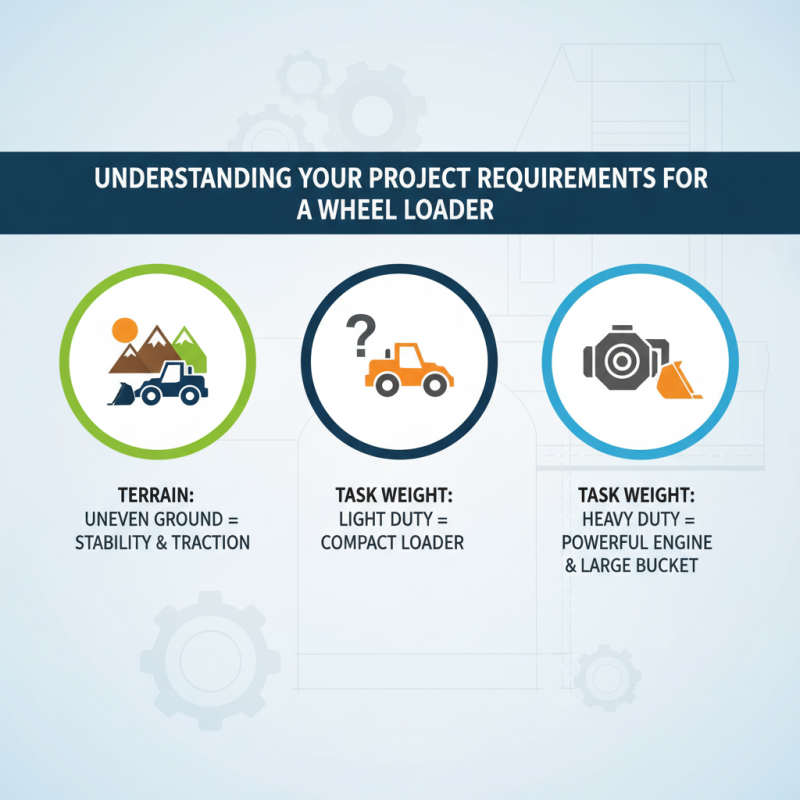
Understanding Your Project Requirements for a Wheel Loader
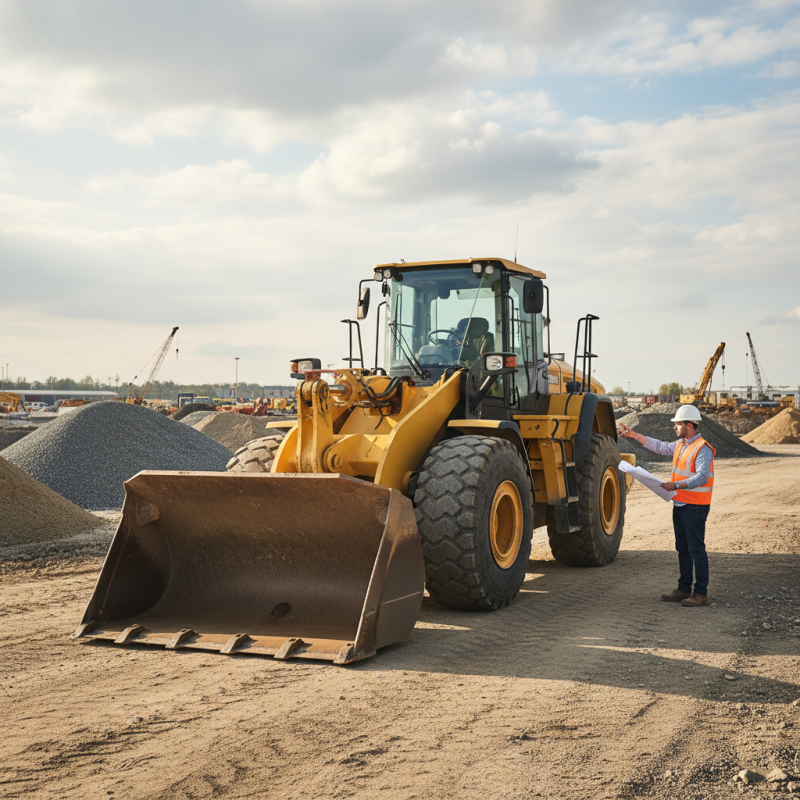
When selecting the right wheel loader, understanding your project requirements is key. Start by assessing the terrain. If you're working on uneven ground, you'll need a model with excellent stability and traction. For lighter tasks, a compact loader could suffice. However, heavier projects may require a more powerful engine and larger bucket capacity.
Consider the size of the job site. If space is limited, a smaller wheel loader is a better fit. It can navigate tighter areas without sacrificing efficiency. Pay attention to the operator's comfort too. A well-designed cabin can enhance productivity. Ensure the controls are intuitive, allowing for smoother operation.
Don't forget maintenance needs. Some models require more frequent servicing than others. This can impact your overall budget. Evaluate fuel efficiency as well. A machine that consumes less fuel can save costs in the long run, especially for longer projects. Finding a balance between power and efficiency is crucial for optimal performance.
Evaluating Hitachi Wheel Loader Models and Their Specifications
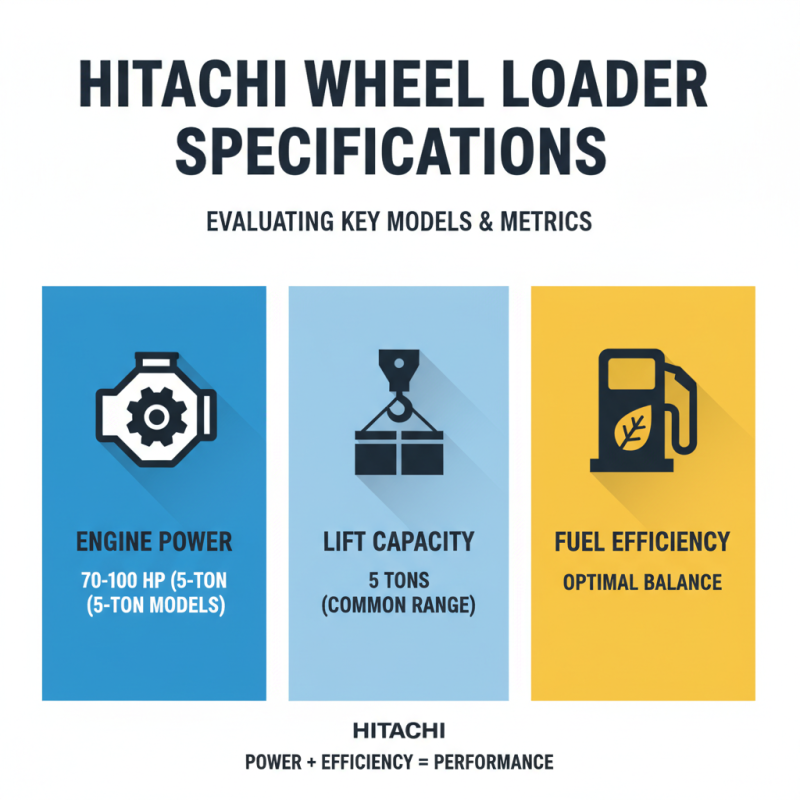
When evaluating Hitachi wheel loader models, one must pay close attention to specifications. Key metrics include engine power, lift capacity, and fuel efficiency. For instance, models in the 5-ton range typically feature engines producing between 70-100 horsepower, making them suitable for various industrial tasks. A reliable loader should offer a balance of power and efficiency for optimal performance.
Tip: Check the hydraulic system's flow rate. A higher flow rate often indicates faster cycle times, enhancing productivity. Many users overlook this detail. Understanding this feature can lead to significant time savings on job sites.
Another consideration is the loader's size and versatility. Smaller, compact models are easier to maneuver but may lack the strength needed for heavy loads. Conversely, larger models offer more lifting capacity but can be cumbersome in tight spaces. Look for models that provide a good mix of both traits.
Tip: Pay attention to the operator’s comfort. Features like adjustable seats, climate control, and visibility are crucial for long work hours. Many operators ignore comfort but compromising it can lead to decreased productivity and increased fatigue over time.
Considering Load Capacity and Performance Factors
When selecting a wheel loader, load capacity is a crucial factor. It determines how much material you can handle at once. A higher capacity allows for increased efficiency. However, think about your typical work environment. Heavy payloads can strain machinery and lead to faster wear and tear. So, balance your needs with the machine's limits.
Performance factors are equally important. Look at the engine power and hydraulic capabilities. These specifications affect how well the loader handles tough jobs. A machine with strong hydraulics can lift and move heavier items smoothly. However, be aware of fuel consumption. More power may mean higher operational costs. It’s essential to evaluate both the short-term needs and long-term implications of your choice.
Additionally, consider the terrain on which the loader will operate. Steep inclines or uneven surfaces require specific tire types and stability features. Investing in a loader that excels in your working conditions enhances productivity. Reflect on your past experiences with loaders. Were there issues with performance or load capacity? Learning from these moments is crucial.
Assessing Operator Comfort and Ease of Use
When selecting a wheel loader, operator comfort and ease of use are crucial factors. Research indicates that operator comfort can enhance productivity by up to 20% in heavy machinery operations. A well-designed cabin can significantly reduce fatigue during long shifts. Ergonomics play a vital role here. Controls should be intuitive. Adjustable seats and climate control contribute to an optimal working environment.
Visibility is another critical aspect. A loader with an unobstructed view can reduce accidents. According to industry reports, operators working with machines that provide better sightlines have a 30% lower incident rate. This aspect not only improves safety but also boosts confidence, resulting in smoother operations.
Investing in ease of use often entails evaluating features like joystick controls or automatic transmission systems. However, some models may prioritize these aspects at the expense of robustness or maintenance ease. It's essential to strike a balance. Operators should feel at home in the cabin without compromising machine performance. Regular feedback from operators about comfort levels can guide future designs and adaptations for improved usability.
Top Tips for Choosing the Right Wheel Loader: Assessing Operator Comfort and Ease of Use
Examining Maintenance and Support Options for Longevity
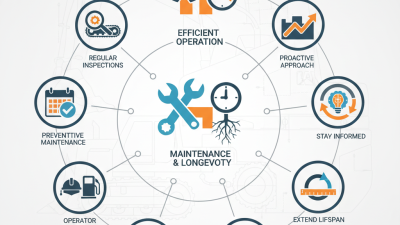
When choosing a wheel loader, maintenance and support options play a crucial role in ensuring longevity. According to industry studies, frequent maintenance can reduce downtime by up to 30%. Regular checks and timely repairs can extend the machine's lifespan significantly. A well-maintained wheel loader also retains its resale value better, which is vital for businesses in competitive markets.
Support options matter too. A study from the Equipment Performance Institute shows that machines with robust support services have a 20% lower total cost of ownership. Make sure to evaluate the available service plans. Look for warranties that cover major components. Prompt access to parts and expert technicians can make a big difference in overall efficiency.
While it’s tempting to opt for the lowest maintenance plan, this could lead to higher costs over time. Inadequate support might leave you stranded with unexpected breakdowns. Investing in comprehensive maintenance and support is not just a choice—it’s a necessity for operational success. Keep these factors in mind as they will greatly influence your experience and the machine’s performance.

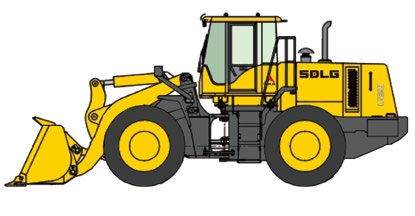 Wheel Loader
  Excavator
 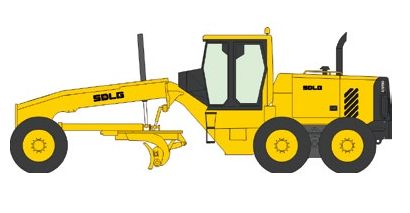 Motor Grader
 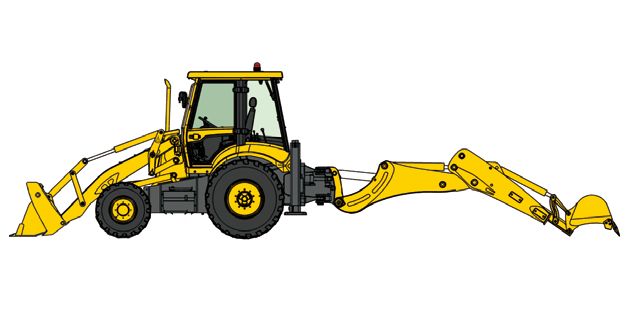 Backhoe Loader
  Road Roller
  Spare Parts