Top Sany Equipment Options for Global Buyers in 2026?
As global demand for construction and heavy machinery rises, Sany Equipment stands out as a leader in the industry. Reports indicate that the global construction equipment market is projected to reach $275 billion by 2026, highlighting the vital role of reliable machinery in infrastructure development. Sany Equipment, known for its innovative technology and durable designs, is well-positioned to capture this growth.
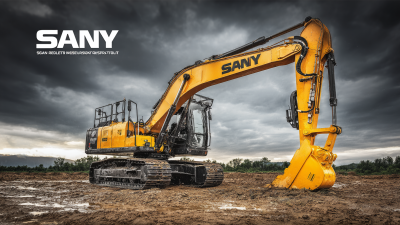
In 2026, buyers worldwide will look for equipment that combines efficiency and performance. Sany Equipment offers a range that meets these needs. Their excavators and cranes are particularly praised for their advanced features and fuel efficiency. According to industry analyses, Sany has increased its market share significantly, reflecting its commitment to quality and customer satisfaction.
However, potential buyers should remain cautious. While Sany Equipment offers many advantages, it's essential to consider local market conditions and service support. Some users report challenges in maintenance and parts availability in specific regions. A balanced approach can help users make informed decisions that align with their operational needs and business goals.

Overview of Sany Equipment Popularity Among Global Buyers in 2026
In 2026, the demand for heavy machinery continues to rise globally. Many buyers seek reliable equipment with advanced technology. Popularity among global buyers often hinges on performance, durability, and service support. Equipment that meets rigorous quality standards tends to perform better in competitive markets.
One notable trend in the industry is the increased focus on sustainable practices. Many buyers are now looking for machines that minimize environmental impacts. Equipment that offers fuel efficiency, lower emissions, and recyclable components is noteworthy. Some buyers, however, still hesitate. They question whether sustainable options can hold up against traditional machines.
Another crucial element is after-sales service. Availability of parts and prompt maintenance services can sway buyer decisions. There’s a sense of urgency for quick solutions to equipment downtime. Buyers value companies that provide clear communication and dependable support, even if they occasionally face issues. Trust in after-sales performance is vital for long-term relationships.
Key Sany Equipment Models Expected to Dominate the Market
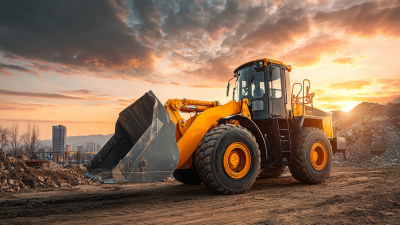
As the market evolves, certain equipment models will likely dominate in 2026. Reports indicate that globally, demand for advanced loaders and excavators will increase significantly. For instance, industry analysis shows a projected growth rate of 5.2% in the construction equipment sector over the next few years. This trend reflects a shift towards more sustainable and efficient machinery.
One key model expected to be in high demand is the latest generation of earth-moving equipment. These machines feature improved fuel efficiency and emissions ratings. Companies are also focusing on advanced technology integration, such as telematics and automation. According to a recent survey, around 72% of construction firms prioritize equipment that contributes to project efficiency and sustainability.
However, buyers may encounter challenges. The transition to electric and hybrid models is gaining traction, yet not all markets are prepared. Infrastructure issues could slow adoption. Additionally, some end-users might find the initial cost daunting, despite long-term savings in fuel and maintenance. Thus, understanding regional market trends becomes essential for making informed purchasing decisions in 2026.
Projected Market Share of Top Equipment Options in 2026
Factors Driving Sany Equipment Demand in Global Industries
As global industries evolve, demand for heavy equipment continues to surge. Factors driving this growth include infrastructure investments and urbanization trends. According to a recent report by Global Market Insights, the construction equipment market is expected to reach over $200 billion by 2026, driven by these investments.
In emerging markets, the push for better infrastructure elevates the demand for versatile machinery. A booming population necessitates improved transport networks and housing projects. The International Construction Market Survey notes a shift towards more sustainable and efficient equipment, which industry players increasingly seek. The demand for advanced technology in machinery is also rising. Industry innovations, such as telematics and automation, enhance operational efficiency.
However, challenges loom over the industry. Supply chain disruptions continue to impact production schedules. According to industry analysis, fluctuating material costs can lead to project delays. Many companies are reevaluating their supply strategies to stay competitive. There remains a crucial need for a balanced approach to innovation and reliable supply chains. Adjusting these elements will be pivotal for success in the ever-changing landscape of global equipment demand.
Top Equipment Options for Global Buyers in 2026
| Equipment Type |
Application |
Key Features |
Market Demand Growth (%) |
Regions with High Demand |
| Excavators |
Construction |
High efficiency, versatile attachments |
10-15% |
Asia-Pacific, North America |
| Bulldozers |
Earthmoving |
Robust build, powerful blade technology |
8-12% |
Middle East, Africa |
| Loaders |
Material Handling |
High payload capacity, quick cycle times |
7-10% |
Europe, Asia-Pacific |
| Crane |
Heavy Lifting |
Advanced safety features, high lifting capability |
9-13% |
North America, Latin America |
| Forklifts |
Warehouse Operations |
Maneuverability, electric options available |
6-9% |
Asia-Pacific, Europe |
Comparative Analysis of Sany Equipment Pricing and Features
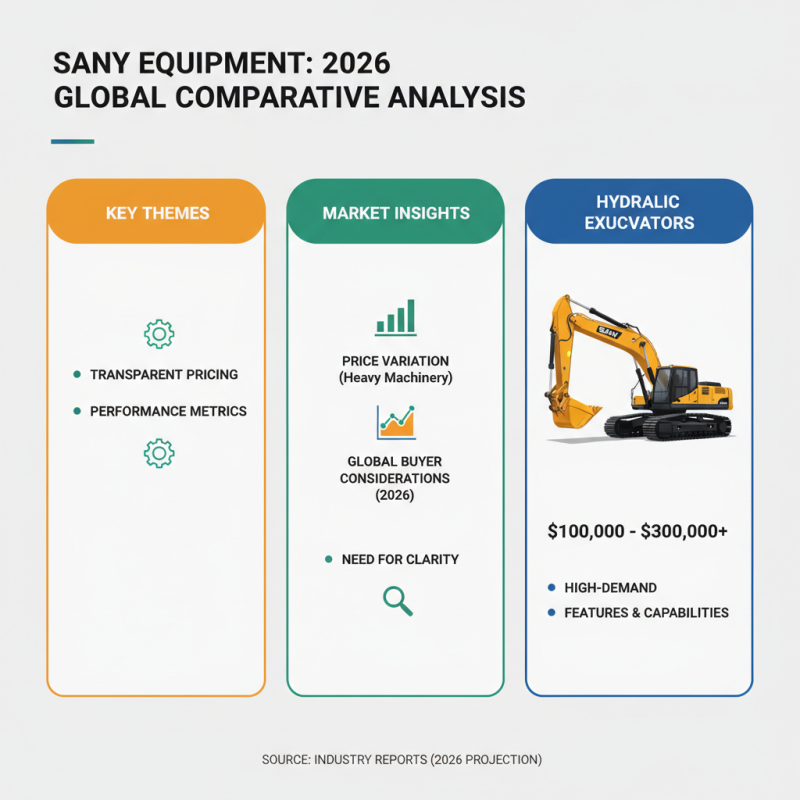
In 2026, global buyers will consider various equipment options with distinct pricing and features. A comparative analysis reveals the need for transparent pricing strategies and performance metrics. According to industry reports, prices for heavy machinery can vary significantly. For instance, high-demand hydraulic excavators range from $100,000 to over $300,000, depending on features and capabilities.
Buyers should focus on specific features. A machine with advanced fuel efficiency can lower operation costs. Reliability is also a crucial factor; equipment breakdowns can lead to costly downtime. Research indicates that buyers prioritize durability and ease of maintenance as key determinants in their purchasing decisions.
Tip: Always verify warranty specifics and service availability in your region. Understand the true lifecycle costs beyond the initial purchase price.
Additionally, consider the resale value of equipment. Some models retain value better than others. This aspect is often overlooked in initial evaluations. Balancing between cost and long-term value is essential for investment decisions.
Future Trends: Innovations in Sany Equipment for 2026 Buyers
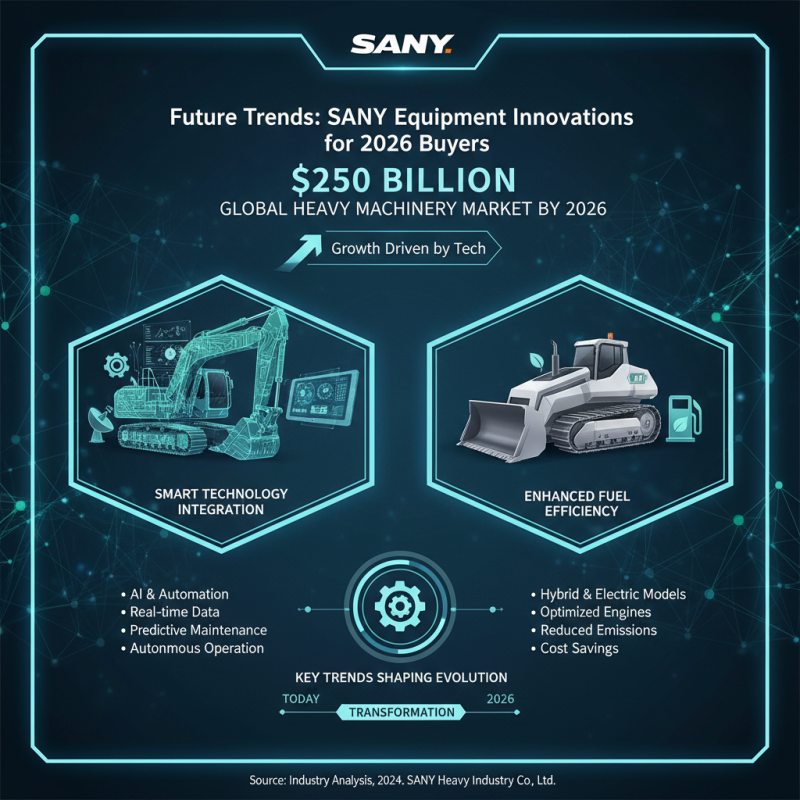
As we approach 2026, innovations in equipment for construction and heavy industries are transforming the market. The global heavy machinery market is projected to grow to $250 billion by 2026, driven by technological advancements. Smart technology integration and enhanced fuel efficiency are key trends shaping this evolution.
One major innovation is the adoption of IoT (Internet of Things) in construction equipment. With IoT, machines can communicate data in real-time. This connectivity helps in predictive maintenance, reducing downtime by up to 20%. According to a recent report by Market Research Future, automation in heavy machinery could increase productivity by 30% or more.
Another focus area is sustainable practices. Equipment designed with eco-friendly features is becoming essential. These machines offer lower emissions and improved fuel economy. Various studies forecast that by 2026, at least 40% of buyers will prioritize green equipment over conventional options. This shift indicates growing environmental awareness among industry professionals. Adapting to these trends is crucial for companies aiming to remain competitive.

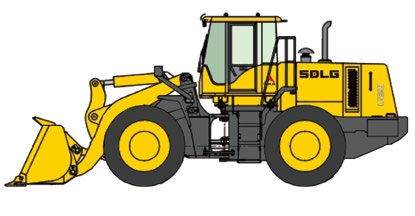 Wheel Loader
  Excavator
 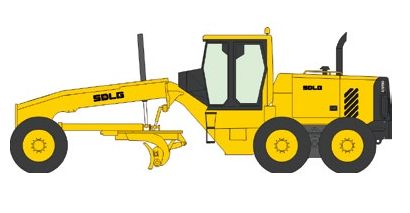 Motor Grader
 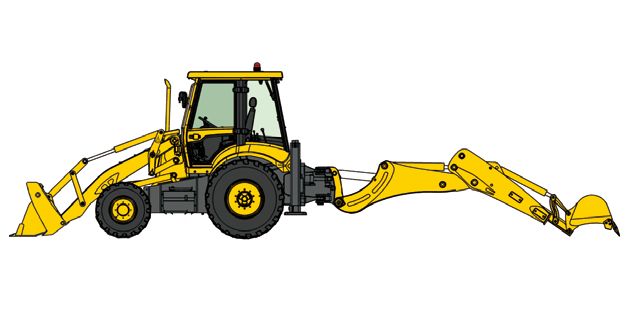 Backhoe Loader
 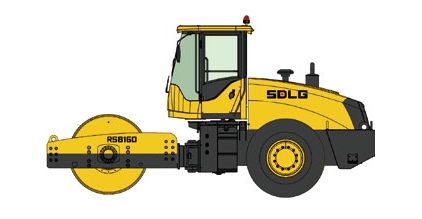 Road Roller
 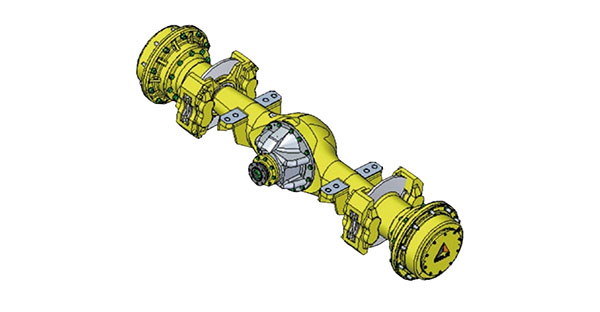 Spare Parts