Local Excavators in China Top Brands and Their Impact on the Construction Industry?
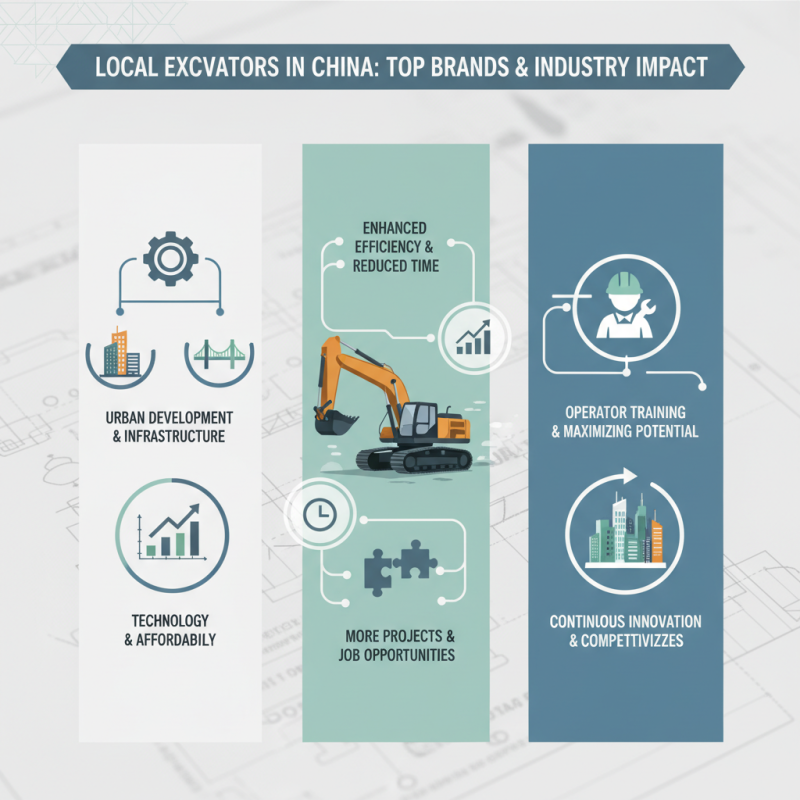
Local Excavators play a vital role in China's construction landscape. These machines are essential for various projects, from urban development to infrastructure growth. According to Dr. Li Wei, a prominent expert in construction machinery, "Local Excavators are reshaping how we build our cities." His insights highlight the significance of these machines.
The Chinese market has seen an influx of local brands. Companies like SANY and XCMG have rapidly gained recognition. Their excavators combine advanced technology with affordability. This balance allows smaller construction firms to utilize high-quality equipment without breaking the bank. Yet, some challenges exist. Local manufacturers must continually innovate to stay competitive.
Furthermore, the impact of Local Excavators extends beyond production. They enhance efficiency and reduce construction time on sites. This efficiency often leads to more projects and job opportunities. However, there is a need for ongoing training for operators. Ensuring they can maximize the potential of these machines is crucial for long-term success.
Overview of Excavator Brands in China
The excavator market in China has witnessed rapid growth over the past decade. Data from industry reports indicate that excavator sales reached approximately 250,000 units in 2022, solidifying China's position as a leader in the global construction equipment sector. Several local brands have emerged as key players, significantly shaping construction practices across the nation.
Local brands often focus on innovation and adaptability to local market needs. Many have incorporated advanced technologies, like IoT and automation, to enhance their equipment’s efficiency. However, challenges persist. Some brands still struggle with quality control and customer service, which can hinder long-term competitiveness. Recognizing and addressing these areas for improvement is crucial for sustaining growth.
Tips: When choosing an excavator, assess the specific features that improve productivity. It's vital to analyze user reviews and conduct thorough research. This ensures you select equipment that best meets your operational needs. Keep an eye on emerging technologies that might further influence the market landscape.
Key Players in the Chinese Excavator Market
In the dynamic landscape of the construction industry, local excavators in China play a pivotal role. The market features several key players who are shaping trends and innovations. These brands are well-known for their robust machinery and reliability. They cater to various construction needs, whether it's residential or large infrastructure projects. Each brand brings unique features to the table, impacting efficiency and productivity.
Tips: When choosing an excavator, consider the specific tasks you will perform. Different machines serve different functions. Ensure the model aligns with your project demands.
Despite the advancements, some challenges remain. Not all brands consistently maintain quality standards. This inconsistency can lead to productivity loss. It's essential to research before making a purchase. Understanding user reviews and feedback can provide valuable insights.
Tips: Always test machinery if possible. A hands-on experience can highlight potential issues that specifications might not reveal. It's crucial to prioritize reliability over flashy features.
Technological Innovations by Leading Excavator Manufacturers
The construction industry in China is rapidly evolving, driven by technological innovations from leading excavator manufacturers. Recent reports indicate that the market for excavators is projected to grow by 6% annually. This growth is attributed to increased urbanization and infrastructure development. Manufacturers are investing heavily in research and development to create more efficient machinery.
One significant trend includes the integration of smart technology. Advanced sensors and AI are enhancing operational efficiency. Operators can monitor machine performance in real time, reducing downtimes. Yet, the reliance on technology brings challenges. Issues such as cybersecurity and the need for skilled operators are rising concerns.
Moreover, innovations in fuel efficiency have become critical. New models are designed to consume 20% less fuel. This reduces operational costs and decreases environmental impact. However, the transition to greener technologies may take time. Some companies struggle to balance cost and sustainability. The impact of these innovations is significant, yet it is essential to reflect on both benefits and potential drawbacks.
Local Excavators in China Top Brands and Their Impact on the Construction Industry
| Brand Type |
Market Share (%) |
Technological Innovation |
Impact on Construction |
| Hydraulic Excavators |
35% |
Advanced hydraulic systems |
Improved excavation efficiency |
| Mini Excavators |
25% |
Compact design technology |
Versatile for urban projects |
| Crawler Excavators |
20% |
Stability control systems |
Enhanced performance on rough terrain |
| Wheeled Excavators |
15% |
Maneuverability improvements |
Ideal for urban environments |
Impact of Excavators on the Chinese Construction Industry
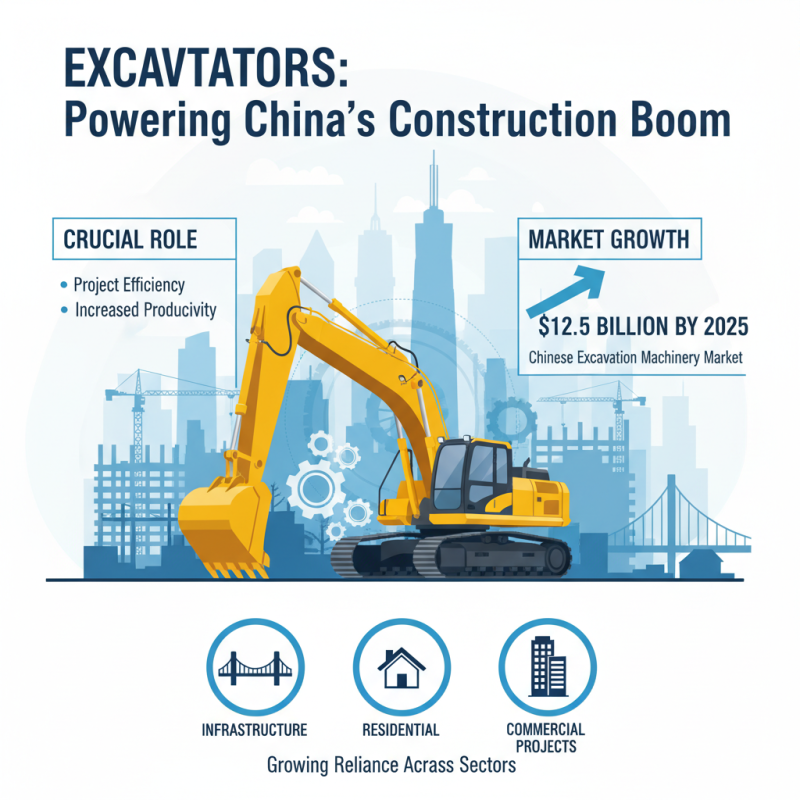
Excavators play a crucial role in the Chinese construction industry, significantly influencing project efficiency and productivity. According to a recent report from an industry research firm, the excavation machinery market in China is projected to reach $12.5 billion by 2025. This growth illustrates the increasing reliance on excavators across various sectors, including infrastructure, residential, and commercial projects.
However, while excavators enhance operational efficiency, they also present challenges. The growing number of excavators has raised concerns about environmental impact. Dust emissions and noise pollution have been reported in urban areas. According to a government conservation report, construction activities contribute to 18% of urban air pollution. Balancing productivity with sustainability remains a key issue for the industry.
Moreover, operator training is another critical aspect. Skilled operators are essential for maximizing equipment effectiveness. A study by an engineering institution highlighted that projects with well-trained operators showed a 30% increase in output compared to those with less experienced staff. This statistic underscores the importance of investing in human capital alongside technological advancements in machinery. As the industry evolves, a focus on training and environmental considerations will shape the future of excavators in China.
Future Trends in China’s Excavator Market and Construction Sector
The construction sector in China is rapidly evolving, influenced by advancing technology and changing market dynamics. As outlined in a recent report by the China Construction Machinery Association, excavator sales are projected to grow at an annual rate of 8% over the next five years. This growth stems from increased urbanization and infrastructure projects. However, the industry faces challenges related to sustainability and resource management.
Today, electric and hybrid excavators are gaining traction. A survey by the China Economic Information Network noted that over 30% of construction firms plan to invest in alternative energy machinery within two years. These innovations aim to reduce carbon emissions and operating costs. Yet, transitioning to greener options requires substantial investment, which may deter smaller firms.
Moreover, the demand for skilled operators is rising as technology evolves. According to the Ministry of Human Resources and Social Security, there is a significant skills gap in the labor market. The shift towards automation complicates training efforts. While this presents an opportunity for increased production efficiency, it also raises questions about workforce stability and job security in the sector. Balancing these factors will be crucial for the future of China's construction industry.
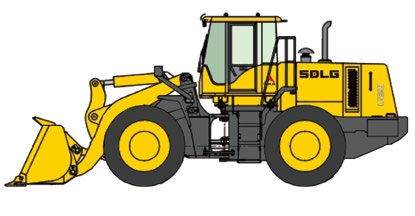 Wheel Loader
  Excavator
 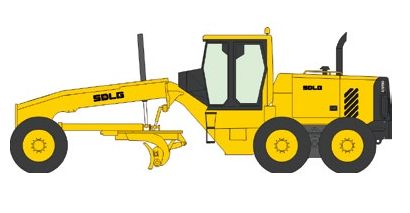 Motor Grader
 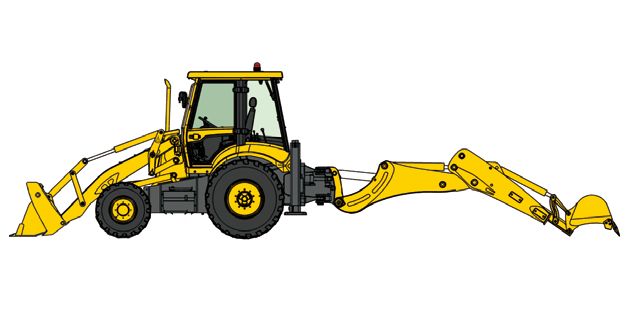 Backhoe Loader
 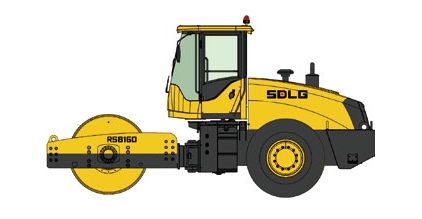 Road Roller
  Spare Parts