Why Choose a Crawler Crane for Your Project?
Choosing a Crawler Crane is not simply a matter of selecting the machine with the greatest capacity. The right choice depends on the lift, the ground, and the way the site operates. A Crawler Crane can travel on tracks, handle demanding lifts, and work without outriggers in many configurations. That can be valuable on soft or uneven terrain. Still, tracked mobility does not make every surface safe.
The practical details matter. Engineers assess load charts, boom length, ground-bearing pressure, travel routes, and the crane’s configuration. A lift plan should account for the load’s weight, radius, rigging, and nearby obstacles. On site, a narrow access road or buried service can change the plan quickly. Small details matter. So does transport: crawler cranes may require disassembly and separate deliveries, adding time and coordination. The machine can be capable and still be the wrong fit.
Crane engineer H. L. Shapiro co-authored technical work on cranes and derricks. A concise paraphrase of the engineering mindset behind that work is: “Match the crane to the lift, the ground, and the plan—not just the headline capacity.” This is a paraphrase, not a verified verbatim quotation. The sections ahead examine where crawler cranes excel, what their limitations mean for project schedules, and which site checks deserve attention before mobilization. One caution remains: published capacity figures cannot replace a qualified, project-specific review.
What a Crawler Crane Is and How It Operates
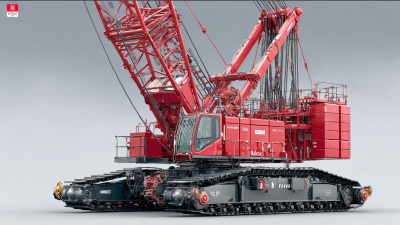
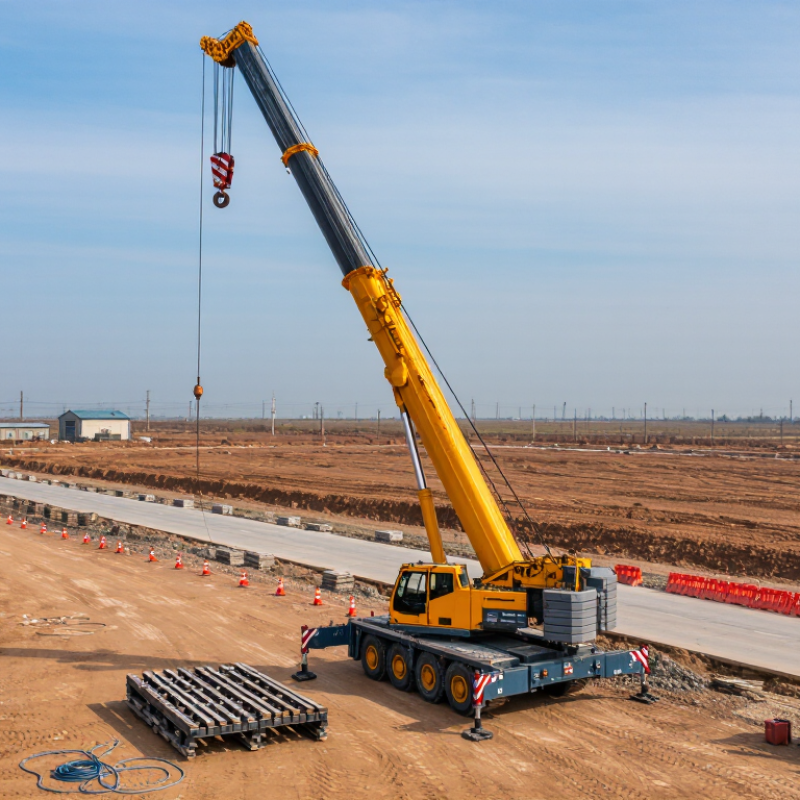
A crawler crane is a lifting machine that travels on continuous metal tracks instead of wheels. Its main parts include a rotating upper structure, a long boom, a counterweight, and a track-mounted base. The tracks spread the machine’s weight across a larger area than many tires do. That can help on rough or soft ground. It does not mean every site is suitable.
Still, tracks are not magic. The crane needs a prepared, reasonably level working area, and its load chart must be checked for the planned boom length, radius, and lift configuration. Moving with a suspended load may be restricted by the manufacturer’s instructions and site conditions. On many projects, the crane is assembled at the work area, then positioned with the tracks before lifting begins.
During operation, the operator uses controls to rotate the upper structure, raise or lower the boom, and hoist the load on wire rope. A signal person may guide movements when the operator’s view is blocked. The counterweight helps balance the lifted load, but it cannot compensate for poor setup. Small changes in load distance matter. Before a lift, crews check the ground, crane configuration, rigging, and communication plan; in practice, one overlooked detail can change the whole lift.
Why Choose a Crawler Crane for Your Project? — What a Crawler Crane Is and How It Operates
| Dimension |
Typical Information |
Project Relevance |
| What it is |
A mobile crane mounted on a tracked undercarriage, with a rotating upper structure, boom system, hoist, and counterweight. |
Combines lifting capability with the ability to move around a job site without relying on rubber tires. |
| How it travels |
Tracks propel the crane at low speed. Travel speed is commonly around 0.5–2 km/h (0.3–1.2 mph), depending on the model and conditions. |
Useful for short on-site moves, but not for road travel; transportation between sites generally requires disassembly and haulage. |
| How it lifts |
Hoist ropes raise or lower the load. The boom or jib positions it, while the upper structure can slew to place it around the crane. |
Lift capacity depends on the load, working radius, boom and jib configuration, counterweight, and the crane’s rated load chart. |
| Capacity range |
Crawler cranes are available across a wide range, from tens of tonnes to several thousand tonnes of rated capacity. |
Large models can handle heavy industrial components, bridge sections, and major infrastructure lifts. Rated capacity is not the same at every radius. |
| Ground support |
The tracks spread the crane’s weight over a larger contact area than wheels typically do, but actual ground pressure varies with machine configuration and load. |
Ground bearing capacity must still be assessed. Mats or engineered ground improvements may be needed, especially on weak or uneven ground. |
| Mobility under load |
Some crawler cranes are designed to pick and carry loads at a restricted speed and only within specified operating conditions. |
Do not assume a crane can travel with a suspended load. Confirm the manufacturer’s load chart, travel limits, route, and site procedures. |
| Setup and transport |
Major components such as the boom, counterweight, and track assemblies may need to be transported separately and assembled on site. |
Plan for transport permits, assembly space, access routes, lifting equipment, and setup time before selecting a crawler crane. |
| Typical advantages |
Tracked mobility, stable working platform when properly set up, and suitability for demanding lifts on large or developing job sites. |
Often a strong option when lifts are heavy, the crane must reposition within the site, or road-going crane access is limited. |
| Key planning checks |
Confirm load weight, lift radius, boom configuration, ground conditions, overhead and underground hazards, wind limits, and access. |
Use the crane’s specific load chart and a qualified lift plan. Actual capabilities and operating limits vary by crane and site conditions. |
Key Features That Support Lifting on Challenging Sites
Why Choose a Crawler Crane for Your Project?
Key Features That Support Lifting on Challenging Sites
Crawler cranes use wide tracks to distribute their weight across a larger area than many wheeled cranes. This can help them travel over firm, uneven ground and reposition without outriggers at every lift location. Their stable base also supports heavy lifts where access is limited. Tracks are not a cure-all, though; soft soil can still shift under concentrated loads.
Safe setup depends on ground conditions, not appearance alone. OSHA’s construction crane standard, 29 CFR 1926.1402, requires ground to support the equipment and its loads. A CDC/NIOSH review recorded 632 crane-related deaths in the United States from 2003 to 2010, underscoring why careful planning matters. Check soil reports, buried services, slopes, and drainage before moving the crane. One weak patch can change the plan.
Tips: Ask a qualified lift planner to verify ground-bearing pressure and track reactions. Use engineered mats where needed, and inspect the route after rain. Crawler cranes often require transport in separate sections, so allow time for assembly and access planning. That detail is easy to underestimate.
Why Choose a Crawler Crane for Your Project?
Illustrative average ground pressure at different supported loads, assuming a combined track contact area of 19.2 m² (two tracks, each 8 m × 1.2 m).
Crawler tracks spread the crane’s weight over a broad contact area, which can help on sites where ground conditions make access challenging. Values shown are calculated examples, not crane specifications; actual ground pressure varies with crane configuration, load, track dimensions, and ground conditions. Confirm site bearing capacity with a qualified lifting professional.
Project Conditions Suited to Crawler Crane Use
Why Choose a Crawler Crane for Your Project?
Project Conditions Suited to Crawler Crane Use
Crawler cranes suit projects where the ground is soft, uneven, or still being prepared. Their wide tracks spread the machine’s weight across a larger area than many wheeled cranes. On a muddy construction site, that can help reduce ground pressure and maintain steady travel. It does not make every surface safe. A site engineer should still check soil strength, buried services, and the crane’s planned travel route.
They are especially useful when heavy lifts must happen away from paved access roads. A crane can travel slowly between work areas with its tracks supporting the load, subject to the manufacturer’s travel limits and site conditions. This can reduce the need to dismantle and relocate equipment between nearby lifts. That matters. But track movement can damage finished surfaces, and setup still requires adequate space for assembly, counterweights, and safe working clearances.
Consider a crawler crane when the schedule involves repeated lifts, long reach, or changing work positions on a large site. For example, bridge construction may require lifting beams beside a temporary access road with limited bearing capacity. A detailed lift plan should account for load weight, boom configuration, wind, and ground preparation. Crawler cranes are not automatically the economical choice. Transport and assembly take time, and I would question the choice if the project needs only one light lift on firm, accessible ground.
How Crawler Cranes Compare with Other Crane Types
Crawler cranes differ from truck-mounted and all-terrain cranes in how they move and support a lift. Their tracks can spread the machine’s weight across a broader footprint, which may help on firm, uneven ground. Actual ground pressure still depends on the crane, load, and soil conditions. Tracks are not a substitute for checking the site.
A truck crane can travel between jobs quickly and often suits lifts near accessible roads. It relies on outriggers, which need adequate space and a suitable setup surface. Crawler cranes usually take longer to mobilize because tracks or boom sections may need separate transport and assembly. That delay matters. Tower cranes suit long-duration work with repeated lifts in one fixed area, while crawlers can reposition around a larger site without resetting outriggers at each move.
The best choice depends on the lift plan, access, ground bearing capacity, and schedule—not capacity alone. A crawler may handle a heavy pick across a rough site, but its transport and assembly needs can erase that advantage on a short job. Check load charts at the planned radius, review soil data, and confirm the route for both the crane and its components. Plans can look tidy on paper and still overlook a soft patch near the lift area. That deserves a second look.
Factors to Consider When Choosing a Crawler Crane
A crawler crane should be selected for the actual lifts, not just the heaviest load on the schedule. Check the load chart at the planned working radius, boom length, and track configuration. A 40-tonne load close to the crane can become a very different lift when it must reach across a structure. Allow for rigging weight and the crane’s operating setup, too. Small details matter.
Ground conditions need close review. Tracks spread the crane’s weight, but ground pressure still depends on the machine, load, and setup. Check soil reports, buried services, slopes, and drainage; a firm-looking surface can soften after rain. Ground-bearing calculations may show that mats or other preparation are needed. Ask a qualified lifting professional to verify the figures. Check the whole route.
Consider space and logistics as carefully as capacity. A crawler crane may need substantial room for assembly, counterweights, and track transport. Measure access gates, overhead clearances, and turning areas before delivery. Then compare setup time, expected moves, and the cost of preparing the site. It is easy to focus on lifting capacity and underestimate these constraints. Weather, especially wind, can also affect safe operating limits, so confirm the crane’s instructions and lift plan before work begins.

 Wheel Loader
 Excavator
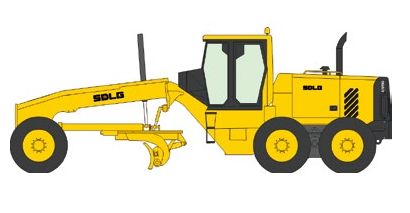 Motor Grader
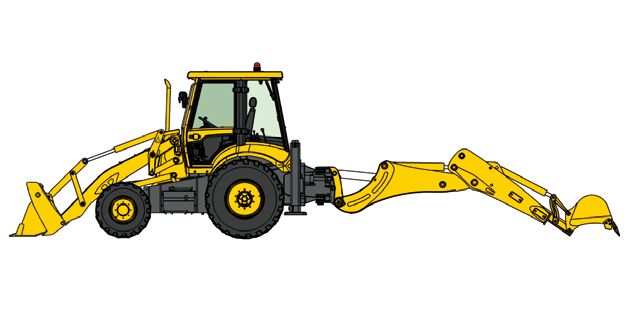 Backhoe Loader
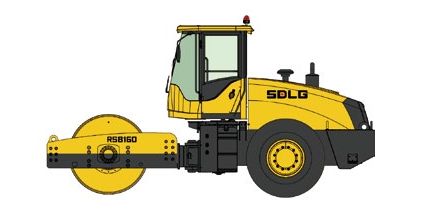 Road Roller
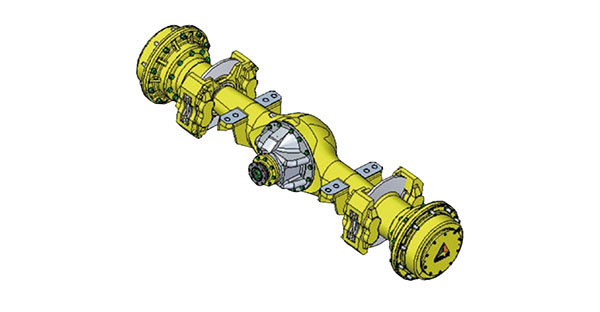 Spare Parts