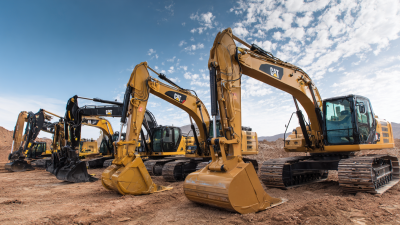
Why Choose a Crawler Crane for Your Next Construction Project?
In the ever-evolving landscape of construction, choosing the right equipment is critical. Among various options, the crawler crane stands out. Its unique design offers stability and mobility. This is vital for complex projects in urban environments or uneven terrain.
Crawler cranes are known for their lifting capacity. They can handle heavy materials efficiently. Yet, they require skilled operators to maximize their potential. Safety is paramount in construction, and these cranes provide reliability when operated correctly. However, training and maintenance should not be overlooked.
Some may assume that smaller cranes can handle all tasks. This misconception can lead to delays and increased costs. Investing in a crawler crane often pays off in the long run. So it’s worth considering its advantages and limitations for your next construction project. Understanding these factors will enable teams to make informed decisions.
Benefits of Using Crawler Cranes in Construction Projects
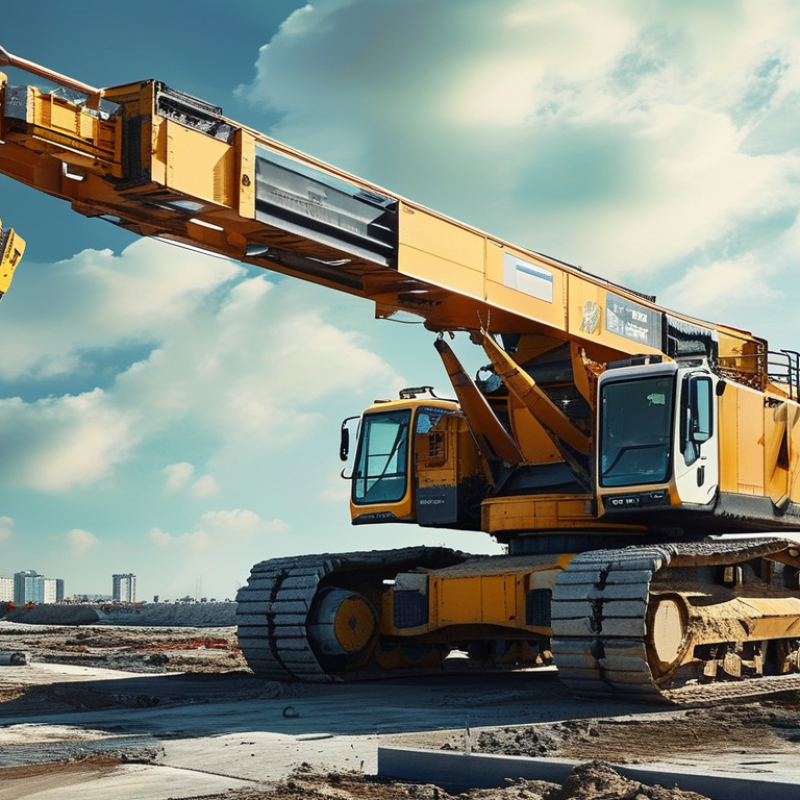
Crawler cranes are a vital asset in modern construction. These machines excel in handling heavy loads on uneven terrains. Their unique design allows for superior stability, even when maneuvering in tight spaces. This makes them a preferred choice for challenging construction sites where traditional cranes may falter.
Using crawler cranes streamlines the construction process. With the ability to move smoothly across various surfaces, they reduce the need for extensive groundwork. This flexibility not only saves time but also cuts costs. Operators benefit from better visibility and control, leading to enhanced safety on site. However, these machines can be complex to operate. Proper training is essential to maximize their benefits.
Sometimes, the sheer size of crawler cranes can present challenges. They require ample space for setup and movement. Site managers must carefully plan to accommodate these machines. Despite these concerns, the advantages often outweigh the drawbacks. Crawler cranes remain a powerful and reliable choice for diverse construction projects.
Benefits of Using Crawler Cranes in Construction Projects
Key Features of Crawler Cranes for Heavy Lifting
Crawler cranes are essential for heavy lifting in construction. Their unique design allows them to traverse uneven terrain easily, making them ideal for various sites. One key feature is their wide tracks, which distribute weight effectively. This stability is crucial for lifting heavy materials without risking tipping or damage.
Another important aspect is the lifting capacity. Crawler cranes can handle significant loads, often exceeding hundreds of tons. This enables them to lift large components, such as steel beams or precast slabs, safely and efficiently. The extended boom reach provides versatility, allowing operators to place materials accurately at great heights or distances.
Despite their advantages, crawler cranes require careful planning and operation. Operators should be trained and licensed for safety. Routine maintenance is vital to ensure reliability. Even experienced teams may face challenges, such as working in adverse weather conditions. Reflecting on these factors contributes to a safer work environment and successful project outcomes.
Comparison of Crawler Cranes and Other Crane Types
Crawler cranes are popular for heavy lifting in construction. Their versatility makes them suitable for various terrains. Unlike other crane types, crawler cranes can move on soft ground. This capability significantly reduces the need for extensive site preparation. According to a report by the Construction Equipment Association, crawler cranes account for around 30% of the total crane market due to their stability and efficiency.
In contrast, truck-mounted and tower cranes offer mobility and height. However, they often struggle with weight distribution. For instance, tower cranes rely heavily on solid foundations. This can lead to site delays. A study by the International Journal of Construction Planning indicates that crawler cranes reduce downtime by 20% in challenging environments. They are invaluable when stability and load capacity are critical.
That said, crawler cranes aren't perfect. Their slower travel speeds can extend project timelines, which is a concern for tight schedules. Operators require specialized training, affecting labor costs. A thorough assessment of the project requirements is essential when selecting crane types. Understanding the specific challenges can lead to more informed decisions, ensuring the right crane is chosen for the job.
Factors to Consider When Choosing a Crawler Crane
When selecting a crawler crane for your construction project, several essential factors come into play. Load capacity is crucial. A crawler crane can typically lift between 20 tons to over 3,000 tons, depending on the model. Understanding the weight of your materials and equipment is vital for safe operation. A miscalculation can lead to dangerous situations.
Another significant aspect is the ground condition. Crawler cranes have tracks that spread the weight over a larger area. This feature makes them suitable for softer terrains, but not all projects have ideal ground conditions. Site preparation may be necessary to ensure stability. According to a report from the International Journal of Engineering Research, about 30% of construction delays relate to equipment-related issues. Choosing the right crane can mitigate such risks.
The reach and height of the crane are also essential factors. Crawler cranes can extend their booms to reach considerable heights, adjusting for various types of projects. However, the complexity of setup can lead to challenges. Studies show that 25% of project managers report difficulties with equipment setup and maneuvering in confined spaces. Addressing these factors can lead to smoother project execution. Make informed choices to avoid setbacks and ensure efficiency.
Why Choose a Crawler Crane for Your Next Construction Project? - Factors to Consider When Choosing a Crawler Crane
| Factor |
Description |
Advantages |
Applications |
| Stability |
Crawler cranes have a wide base and low center of gravity, providing excellent stability. |
Reduced risk of tipping, capable of lifting heavy loads on uneven terrains. |
Heavy construction, road building, and infrastructure projects. |
| Mobility |
Equipped with tracks, crawler cranes can move over difficult ground conditions. |
Enhanced job site access and flexibility. |
Construction sites with rough or unpaved surfaces. |
| Lifting Capacity |
Crawler cranes are designed for heavy lifting, typically ranging from 100 to 3,000 tons. |
Ideal for projects requiring the lifting of large or heavy materials. |
Wind turbine installations, tall building construction. |
| Versatility |
Crawler cranes can be configured with different attachments for various tasks. |
Multi-functional use reduces the need for multiple machines. |
Demolition, bridge construction, and pipeline installation. |
| Cost Efficiency |
Though the initial investment is higher, the long-term benefits are notable. |
Lower operational costs and reduced downtime. |
Long-term projects requiring sustained heavy lifting capabilities. |
Safety Considerations in Operating Crawler Cranes
Operating crawler cranes involves unique safety considerations that can significantly impact your construction project. Understanding these concerns is crucial for avoiding accidents and ensuring a safe work environment. Crawler cranes are inherently stable due to their wide tracks, but they still require careful operational protocols. Operators should always be aware of their surroundings and the load being lifted.
Tips for safety include securing the area before operation. Ensure that all personnel are at a safe distance. Regular maintenance checks on the crane are essential. Inspect cables, hydraulic systems, and overall structure before use. Any signs of wear or damage should be addressed immediately.
Another critical aspect is operator training. Each operator must have comprehensive training on the machine's operation and potential risks. It’s beneficial to conduct safety drills regularly. These drills can prepare the team for unexpected scenarios. Always remember, communication is key. Clear signals among team members can prevent misunderstandings that may lead to accidents.

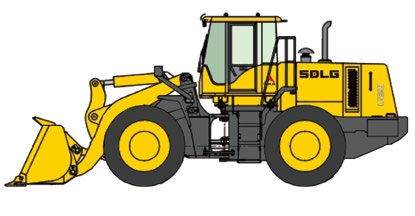 Wheel Loader
  Excavator
 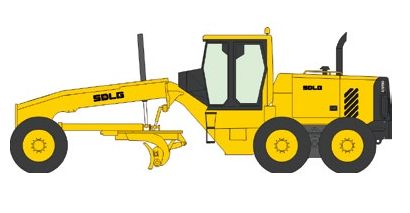 Motor Grader
 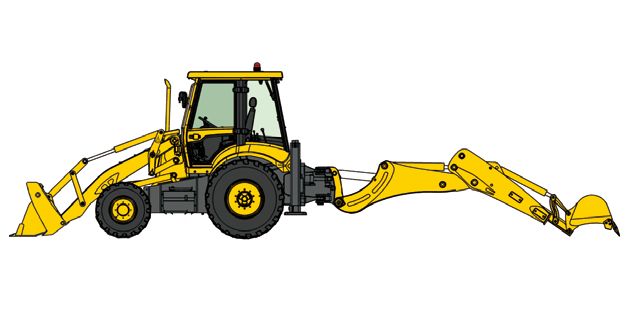 Backhoe Loader
  Road Roller
  Spare Parts