2026 Best Crawler Crane Types for Global Buyers
Choosing the right Crawler Crane in 2026 requires more than comparing lifting capacities. Global buyers must examine terrain, transport limits, project duration, and local service support. A 100-ton machine may suit a compact industrial site, while a 600-ton model may be necessary for wind-turbine installation. Bigger is not always better.
Mike Parnell, a respected crane-safety educator and heavy-lift specialist, often states, “The ground is the foundation of every lift.” That principle remains practical. A crawler crane can travel across a prepared site, but it still depends on accurate ground assessment. Soft soil, steep grades, tight access roads, and changing weather can quickly alter a lifting plan. Buyers should review rated load charts, boom configurations, counterweight systems, transport dimensions, and operator visibility. Service coverage matters too. A technically excellent crane becomes a poor investment when critical parts require long delays.
This guide examines the best Crawler Crane types for global buyers, including lattice-boom, telescopic-boom, compact, and heavy-duty models. Each type offers different advantages. Lattice booms usually provide strong height and reach. Telescopic booms can reduce setup time. Compact designs help on restricted sites. Heavy-duty cranes support major infrastructure and energy projects.
The comparison is not perfect. Manufacturers publish different specifications, and real performance depends on site conditions. Buyers should verify every figure with the manufacturer and a qualified lifting engineer. A brochure cannot inspect the soil. Careful planning can.
Crawler Crane Basics and Core Operating Principles
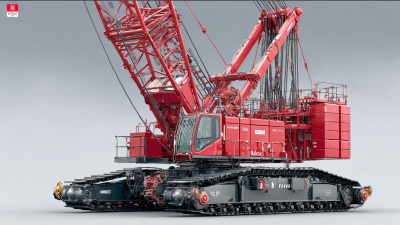
A crawler crane carries its working load on a tracked undercarriage, not on outriggers. Steel tracks spread weight across soft soil and support controlled travel. A lattice boom suits heavy lifts and long reach, while a telescopic boom offers faster length changes.
Both systems depend on one principle: keep the combined center of gravity inside the machine’s stability area. That detail matters.
Before lifting, an experienced crew checks the load chart, boom angle, radius, counterweight arrangement, and ground bearing capacity. The rated capacity changes as radius increases; a load safe at 8 meters may be unsafe at 12.
Operators watch track position, wind, suspended-load movement, and nearby obstructions. Signal communication must remain clear, especially when the operator cannot see the hook.
Stay level.
In practical work, manuals provide limits, but soil rarely behaves perfectly. Wet fill, hidden voids, or uneven settlement can change stability during one lift.
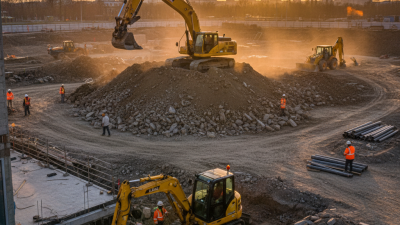
Field experience teaches crews to inspect mats and tracks repeatedly, not just before setup. A competent plan includes verified weights, engineered ground support, exclusion zones, and a stop-work trigger for changing conditions.
Even careful plans need revision.
I still recheck the ground.
Major Crawler Crane Types for Different Lifting Conditions
2026 Best Crawler Crane Types for Global Buyers
Major Crawler Crane Types for Different Lifting Conditions
Selecting a crawler crane starts with the worksite, not the advertised maximum capacity. Soil strength, access width, lifting radius, wind, and transport limits all matter. A lattice-boom crawler crane suits heavy lifts, long working radii, and large infrastructure projects. Its boom can be extended with modular sections, but assembly requires space, time, and trained crews.
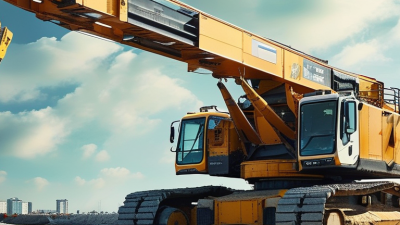
A telescopic crawler crane fits projects needing faster setup and better mobility around confined sites. It works well for building construction, utility installation, and moderate lifting tasks. Its boom extends hydraulically, reducing assembly work. However, capacity usually falls as reach increases. I have seen buyers focus on lifting capacity while ignoring tail swing and ground pressure. That mistake becomes expensive quickly.
For high lifts near structures, a luffing-jib crawler crane offers improved clearance and controlled boom movement. A duty-cycle crawler crane is more suitable for repetitive grabbing, drilling, or material-handling operations. It may be inefficient for occasional precision lifts. Coastal projects also need careful corrosion protection and stronger wind planning. Buyers should compare real load charts, counterweight options, transport dimensions, and available technical support. Certification requirements differ by country. Check them before purchase, not after delivery. No selection is perfect. Job conditions can change halfway through a project.
2026 Best Crawler Crane Types for Global Buyers
Major crawler crane types for different lifting conditions
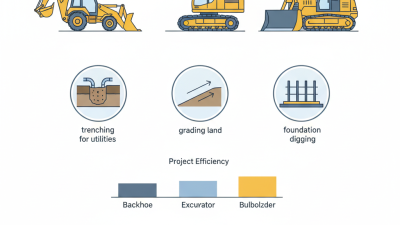
The chart compares representative maximum rated capacities for major crawler crane categories. Compact crawler cranes are suited to restricted or urban sites, telescopic crawler cranes provide fast setup and variable reach, lattice-boom crawler cranes support heavy construction and infrastructure work, and modular heavy-lift crawler cranes are designed for major industrial and energy projects. Actual capacity depends on boom configuration, working radius, counterweight, ground conditions, and regional safety standards.
Key Selection Factors for Global Construction Buyers
Choosing the right crawler crane starts with the worksite, not the catalogue. Lattice-boom cranes suit heavy lifts and long working radii, while telescopic-boom models offer faster setup and easier movement between projects. Buyers should compare lifting charts at the actual radius, not only the maximum rated capacity. A 100-ton crane may lift far less at 30 meters.
Ground conditions deserve equal attention. Crawler tracks spread pressure across soft soil, but they cannot solve every foundation problem. Ask for maximum ground pressure, track width, transport dimensions, and allowable slope data. A muddy access road, narrow bridge, or low overhead clearance can change the best choice quickly. Measure these limits before requesting quotations.
Project duration also affects the decision. Frequent relocation favors simpler assembly and practical transport arrangements. Long-term lifting may justify a larger lattice system with heavier counterweights. Check available service skills, spare-part access, operator training, and local inspection requirements. These details often influence uptime more than the crane’s headline capacity.
Do not rely on one supplier’s calculation. Compare load charts, wind limits, duty cycles, fuel use, and residual value from several qualified sources. A perfect specification rarely exists. Early estimates can be wrong when soil reports or transport permits change. Leave room for a site review, independent verification, and realistic contingency costs. That caution feels slower, but it prevents expensive surprises during mobilization.
Safety Standards, Transport Needs, and Maintenance Requirements
2026 Best Crawler Crane Types for Global Buyers
Safety Standards, Transport Needs, and Maintenance Requirements
Crawler crane selection should match lifting radius, ground conditions, project duration, and local safety rules. Lattice-boom models suit heavy lifts and soft terrain, while telescopic-boom crawlers offer faster setup and easier adjustment. A compact crawler can reduce site pressure, but its capacity may limit future work.
Safety requires more than a rated load chart. Buyers should verify overload protection, anti-two-block devices, emergency stops, secure access, and clear operator visibility. Equipment should follow recognized standards, such as ISO 12100 and applicable regional crane regulations. Local authorities may require inspections, operator certification, and project-specific permits. Requirements differ across borders. That detail is often underestimated.
Transport planning can change the purchase decision. Confirm shipping dimensions, total weight, detachable counterweights, and track width before signing an order. Check whether the crane needs special road permits or modular trailers. At the worksite, inspect pins, bolts, wire ropes, hydraulic hoses, tracks, and fluid levels every day. Keep inspection records with photographs when practical. Dusty sites demand frequent filter cleaning, while coastal projects need corrosion control. Maintenance schedules are useful, but they are not perfect; heavy vibration or poor storage may require earlier service. A realistic buyer leaves room for these unexpected conditions.

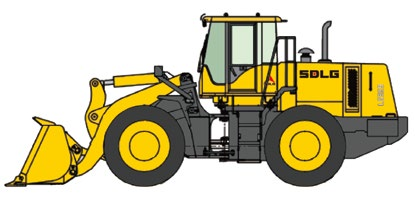 Wheel Loader
 Excavator
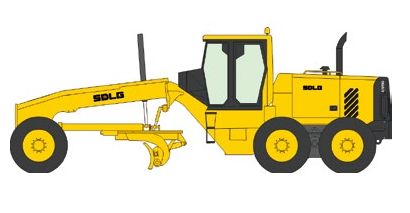 Motor Grader
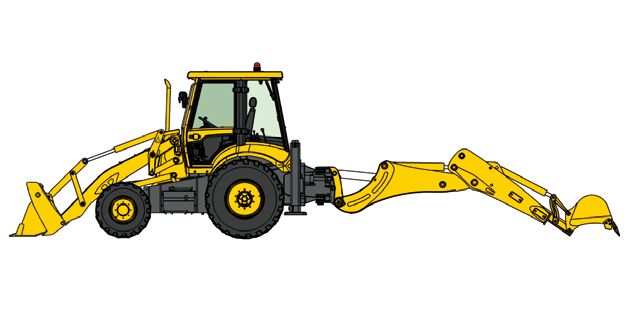 Backhoe Loader
 Road Roller
 Spare Parts