How to Safely Transport Heavy Machinery with Expert Tips?
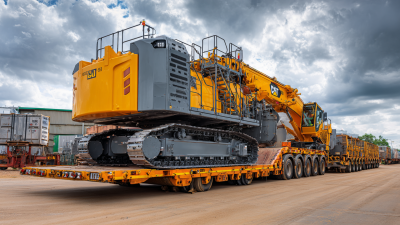
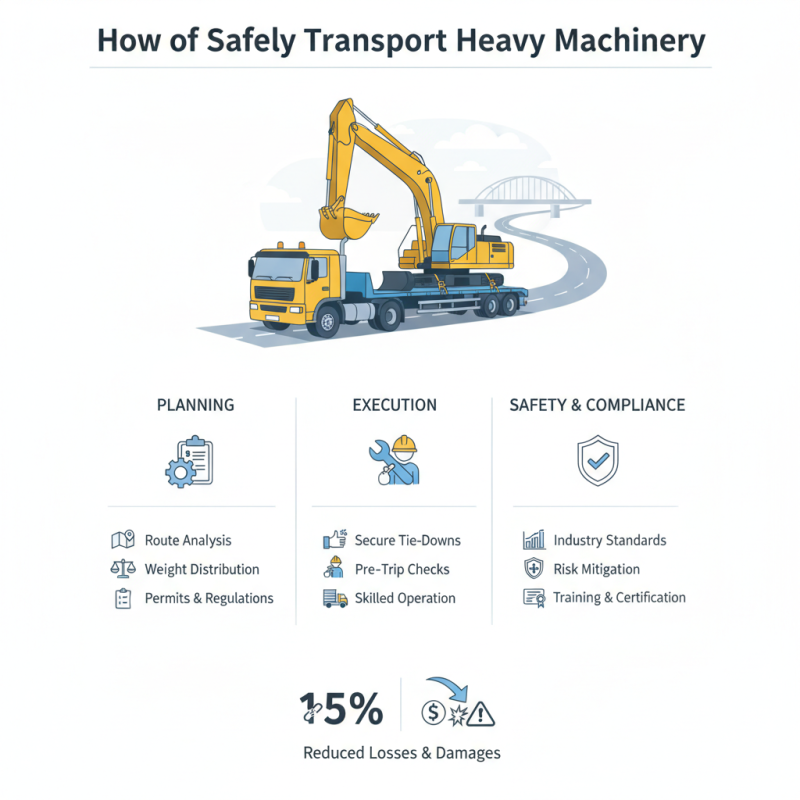
Transporting heavy machinery requires careful planning and expertise. The Heavy Machinery Transport industry is vital for construction and manufacturing sectors. According to the American Transportation Research Institute, over 15% of freight losses are attributed to improper handling of heavy equipment. This highlights the importance of adhering to best practices for safe transport.
Expert John Smith, a seasoned logistics manager, emphasizes, "The key to successful heavy machinery transport lies in thorough preparation and skilled execution." His insights underline the need for proper training and adherence to safety protocols. With an increasing demand for machinery in various industries, ensuring safety standards has never been more crucial.
In this dynamic field, challenges are inevitable. From weight distribution to route planning, each detail matters. Neglecting any aspect can result in costly delays and damages. Thus, a critical approach to Heavy Machinery Transport is necessary. Companies must rely on expertise to navigate complexities and mitigate risks. By acknowledging room for improvement, stakeholders can ensure safer operations and minimize potential pitfalls.
Understanding the Importance of Safe Heavy Machinery Transport
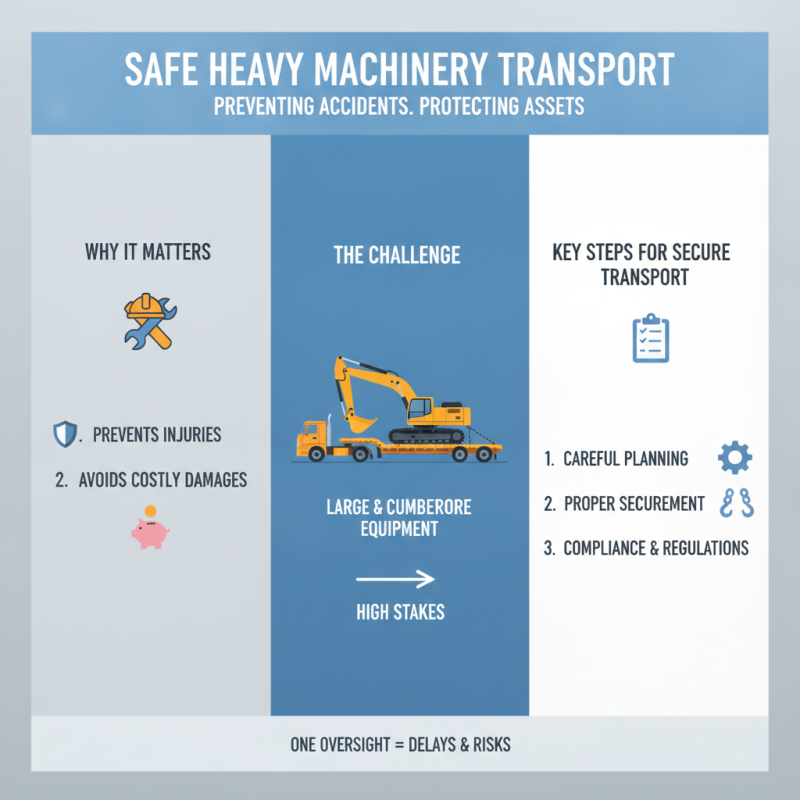
Transporting heavy machinery safely is crucial for many industries. Understanding the importance of secure transport helps prevent accidents and equipment damage. The stakes are high, and one oversight can lead to costly delays or injuries. Heavy machinery is often large and cumbersome, making it essential to plan each transport step carefully.
Using proper equipment and techniques is vital. Ramps, straps, and pallets can ensure stability during transport. Inspecting machinery before moving it is critical. Check for loose parts that may shift and cause harm. Workers deserve proper training to handle equipment safely. Knowledgeable operators understand the risks involved and know how to mitigate them.
Many companies overlook the value of proper weight distribution. Load-centered management is an art. If a load is unevenly distributed, it can create a tipping hazard. Make sure to reflect on past transports. Learn what went wrong and improve processes. This focus on continual improvement fosters a safer working environment. Prioritizing safety leads to efficiency and a more reliable operation in the long run.
Assessing Heavy Machinery for Safe Transportation
When assessing heavy machinery for safe transportation, it’s critical to perform a detailed inspection. The Machinery and Equipment Industry reports that improper assessments can lead to significant accidents, accounting for nearly 9% of workplace injuries annually. Begin by evaluating the weight and dimensions of the machinery. This data helps in determining the appropriate transport vehicle and equipment.
Next, thoroughly check for any structural damage. Cracks or weaknesses can compromise safety during transport. According to the American National Standards Institute (ANSI), more than 30% of transport-related incidents stem from equipment failure. Ensure that all operational components are secured and operational manuals are on hand. This attention to detail can significantly reduce risk.
Finally, consider environmental factors. Weather conditions can change rapidly and impact transportation safety. Keeping abreast of local forecasts helps in planning better. It’s not uncommon for companies to overlook these factors, leading to preventable mishaps. Awareness and proactive measures are key to enhancing transportation safety for heavy machinery.
Best Practices for Loading and Securing Heavy Machinery
Transporting heavy machinery requires careful planning and execution. Loading equipment correctly can prevent accidents and damage. According to a 2020 study by the National Institute for Occupational Safety and Health (NIOSH), improper loading leads to 34% of transport-related incidents.
When loading heavy machinery, always assess the weight. Utilize appropriate ramps or hoisting equipment to prevent sudden drops. The machinery should be positioned on the trailer bed evenly. A study from the American Society of Civil Engineers found that mismatched load distribution can create stability issues. Use wooden blocks or wheel chocks to keep the equipment secure during transport.
Securing machinery is equally important. Heavy-duty straps or chains are suggested for optimal safety. NIOSH recommends a minimum of four tie-downs for larger equipment. Regular inspections of securing devices can reveal wear and tear. Neglecting this step can lead to devastating accidents. Remember, even minor oversight can result in significant consequences during transport.
Heavy Machinery Transport Safety: Best Practices
This chart displays the average safety compliance percentage for various types of heavy machinery based on recent studies. It highlights the importance of adhering to safety practices during the transportation of heavy equipment.
Common Hazards and Safety Measures in Heavy Machinery Transport
Transporting heavy machinery presents several hazards that can lead to accidents. These risks include equipment failure, improper securing, and environmental factors. Operators must inspect machinery before transport. Check for leaks, broken parts, and ensure safety features are functional. This step ensures both the machinery and people involved stay safe.
Using the correct rigging equipment is crucial. Chains, straps, and slings must be rated for the load. Misuse or inadequate equipment can lead to disastrous outcomes. Weather conditions also play a significant role. Rain or snow can reduce traction and visibility. Some often overlook these factors, leading to oversights. Planning routes that avoid obstacles can help maintain safety.
Lastly, training is essential for operators. They must understand safe handling practices. Regular safety drills can reinforce their learning. This isn’t always prioritized, but consistent training helps mitigate risks. Encouraging open communication about concerns can foster a safer environment. Heavy machinery transport is complex and requires diligence and attention to detail.
How to Safely Transport Heavy Machinery with Expert Tips?
| Hazard |
Description |
Safety Measures |
| Overloading |
Transporting machinery beyond the weight limit of the vehicle. |
Know the weight limits; use scales to confirm weight before transport. |
| Poor Securing |
Machinery not properly secured can shift during transport. |
Use appropriate straps and chains to secure loads properly. |
| Inadequate Training |
Operators lack the necessary skills for transport tasks. |
Provide thorough training and certifications for operators. |
| Environmental Conditions |
Bad weather can impact transport safety. |
Monitor weather forecasts and plan transports accordingly. |
| Equipment Failure |
Malfunctioning vehicles or equipment can lead to accidents. |
Conduct regular maintenance checks on transport vehicles. |

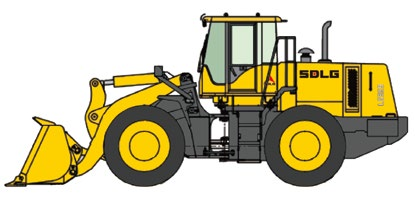 Wheel Loader
 Excavator
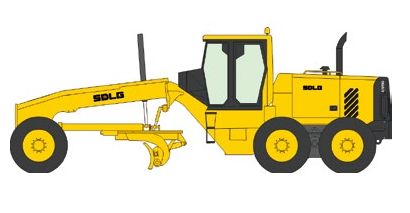 Motor Grader
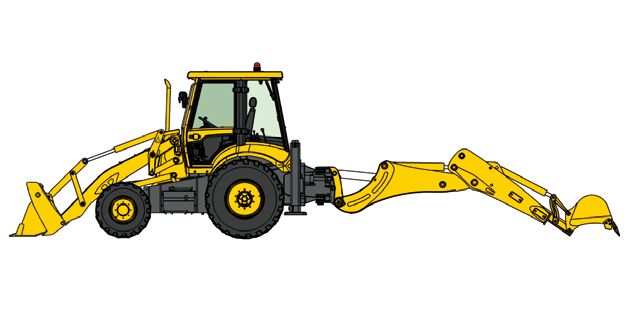 Backhoe Loader
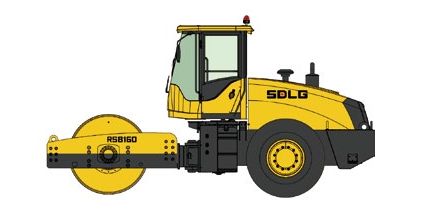 Road Roller
 Spare Parts