Essential Tips for Heavy Machinery Transport Planning?
Transporting heavy machinery requires thorough planning and attention to detail. Heavy Machinery Transport is not just about moving equipment; it's about ensuring safety and efficiency. A small mistake can lead to significant delays or damages, impacting project timelines.
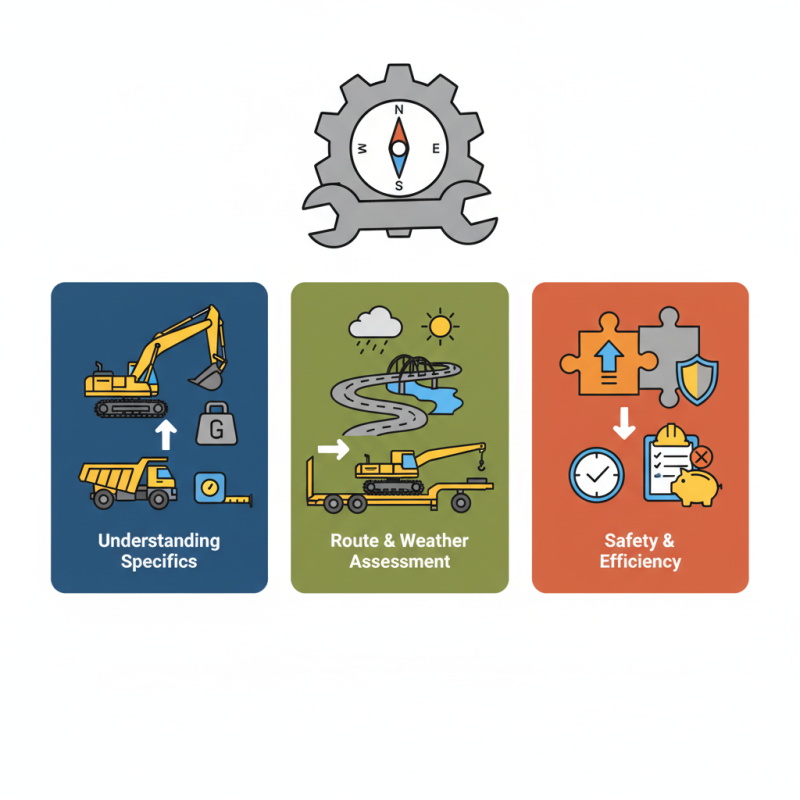
Understanding the specifics of your machinery is crucial. Each piece has unique dimensions and weight, which influences transport options. Choosing the right equipment and route can minimize risks. Weather conditions and road quality should also be assessed beforehand.
Inadequate planning may result in unexpected challenges. This can lead to increased costs or accidents on the road. By investing time in creating a robust transportation plan, companies can ensure smooth operations. Experience and expertise in heavy machinery transport make all the difference for successful outcomes.
Understanding the Importance of Heavy Machinery Transport Planning
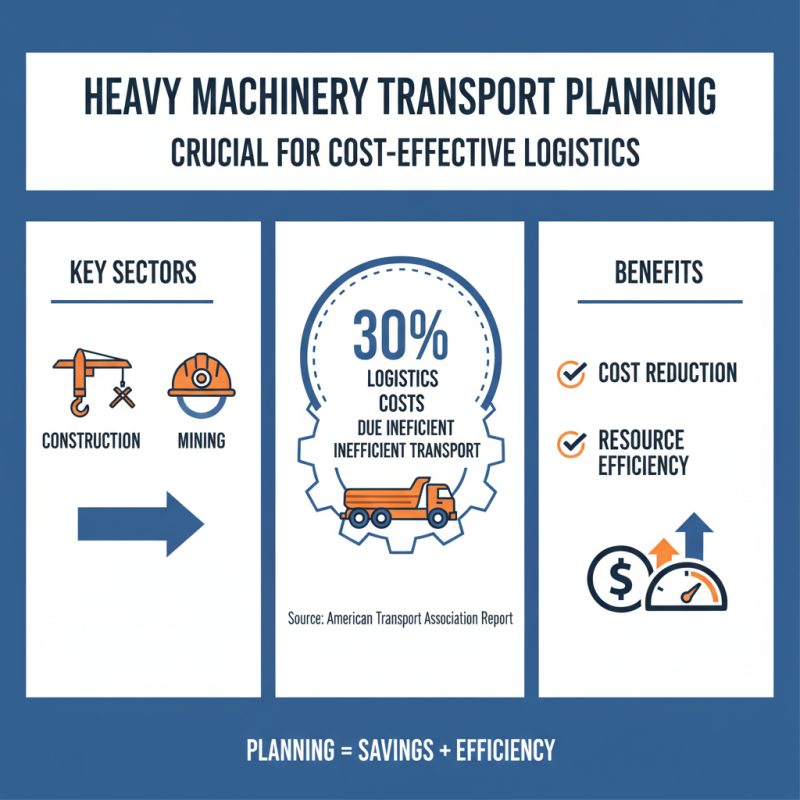
Heavy machinery transport planning is crucial for various sectors, from construction to mining. According to a report by the American Transport Association, nearly 30% of logistics costs can be attributed to inefficient transport management. Proper planning reduces these costs significantly, ensuring resources are used efficiently.
Understanding the importance of transport planning helps prevent accidents and delays. Over 70% of transport-related incidents involve heavy equipment. This illustrates the need for meticulous route assessments and compliance checks. For example, ensuring the route can accommodate the dimensions and weight of the machinery is vital. Inadequate planning increases risks and can lead to costly damages.
Transporting heavy machinery also requires coordination with multiple stakeholders. Inconsistent communication can lead to misunderstandings about timelines and safety protocols. Regular training and updates for workers can mitigate this risk. Engaging experts to assess specific transport needs can further enhance reliability. Balancing effective planning with real-time adjustments often brings challenges, but it is essential for successful operations.
Key Factors to Consider in Heavy Machinery Transport
When planning for heavy machinery transport, several key factors play a crucial role. Understanding the weight and dimensions of the equipment is vital. This information helps in selecting the right transportation method. Calculate the total weight, including any attachments. Consider the route, road conditions, and potential hazards. Researching local regulations is essential. Not all routes may allow heavy transport.
Tips: Always double-check the dimensions. Is the height suitable for bridges? Are there weight limits on certain roads? Preparation can prevent delays. Communicate with all parties involved. Clear coordination with drivers, loaders, and site managers is necessary.
Having appropriate permits can save time and avoid fines. However, securing permits is time-consuming. Depending on the location, it may take days or even weeks. This can feel frustrating but is often necessary. Another factor to consider is weather conditions. Rain or snow can affect transport schedules. Always have a backup plan to address unexpected weather changes.
Step-by-Step Guide to Assessing Transport Routes for Heavy Equipment
When planning transport routes for heavy equipment, start by assessing the terrain. Check for road conditions and surface types.
Gravel, dirt, and asphalt can affect vehicle stability. Look for potential obstacles like bridges and overpasses. Make sure these can support the weight of your load.
Connecting with local authorities for updates can offer insights into any issues.
Weather also plays a crucial role in heavy machinery transport. Rain, snow, or ice can make roads hazardous. Always monitor forecasts leading up to transport day.
Consider alternative routes that might be safer if conditions worsen. Unpredictability can delay schedules, so being flexible is vital.
Lastly, consider the equipment itself. Different machinery has specific transport needs. Weight limits and height restrictions vary significantly.
Verify your route aligns with these requirements. Reach out to experienced transport professionals when in doubt. Their expertise can save time and prevent accidents.
Reflecting on past experiences can improve future planning.
Choosing the Right Transport Vehicles for Heavy Machinery
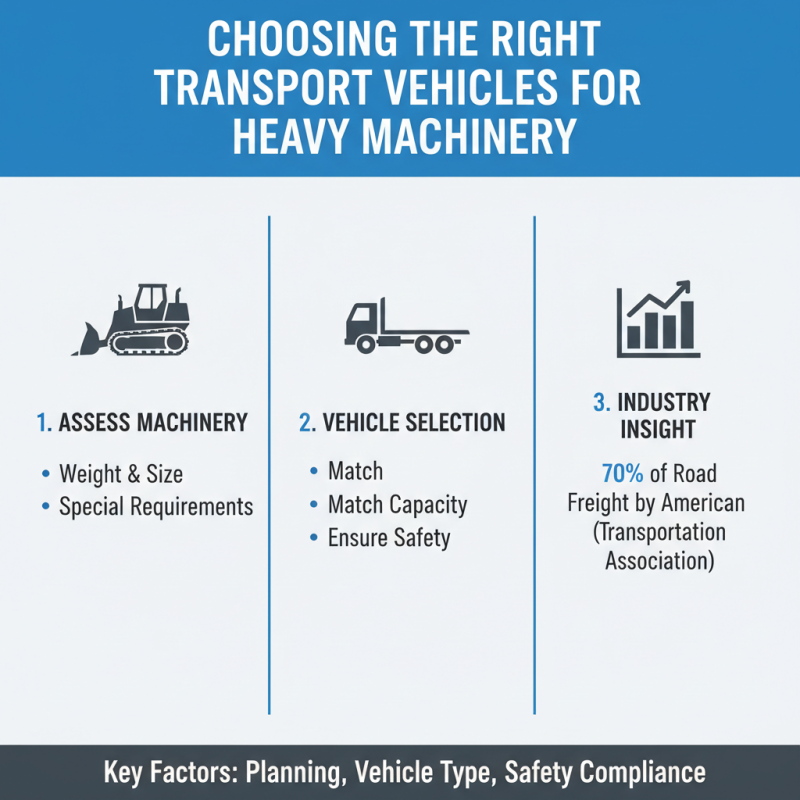
Transporting heavy machinery requires careful planning. Choosing the right transport vehicles is crucial. The characteristics of the machinery play a significant role in this decision. For instance, a report from the American Transportation Association states that 70% of road freight is carried by trucks. The right vehicle should meet the weight and size requirements of the machinery while ensuring safety.
When selecting a transport vehicle, consider the following tips. First, evaluate the specifications of the machinery. Know its weight and dimensions. This information will help determine suitable vehicle types. Second, assess the vehicle's capacity and road compatibility. A vehicle with insufficient capacity risks damage during transport. Finally, ensure that the vehicle is equipped with the necessary securing equipment. Using the right straps and chains minimizes movement and prevents accidents.
Safety is paramount in heavy machinery transport. A recent industry survey found that 25% of transport accidents were due to improper securing measures. Regular training for drivers is also essential. Many companies overlook this, leading to potential hazards. Ultimately, careful planning and vehicle selection ensure a successful transport process.
Ensuring Compliance with Regulations During Heavy Machinery Transport
Transporting heavy machinery involves significant logistics and compliance challenges. Following regulations is crucial for a successful transport plan. According to a report by the Association of Equipment Manufacturers, nearly 40% of transport-related accidents stem from non-compliance with local regulations. Understanding these requirements not only mitigates risks but also avoids costly fines.
When planning the transport of heavy machinery, make sure to understand weight limits, routing, and permits. Local laws may require special permits for oversized loads. Compliance with the Federal Motor Carrier Safety Administration regulations is essential. Create a checklist of required documentation, including inspection reports and transport certificates.
Here are some tips: Ensure all equipment is adequately secured. Use proper signaling and signage during transport. Verify the route with state authorities to avoid areas with restrictions. Overlooking these details may lead to delays or accidents. Always involve experts to review your plan. This adds an essential layer of reliability. Transporting heavy machinery is complex and demanding, and even small oversights can have significant consequences.
Essential Tips for Heavy Machinery Transport Planning
| Tip # |
Tip Description |
Compliance Requirement |
Recommended Frequency |
| 1 |
Conduct a Route Survey |
Adhere to local traffic regulations |
Before every transport |
| 2 |
Obtain Necessary Permits |
State and federal regulations |
Before transport |
| 3 |
Inspect Machinery and Equipment |
Safety compliance standards |
Before every transport |
| 4 |
Secure Load Properly |
Cargo securing regulations |
Always |
| 5 |
Follow Transport Timing Restrictions |
Local traffic laws |
As required |

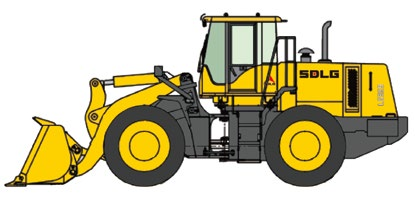 Wheel Loader
 Excavator
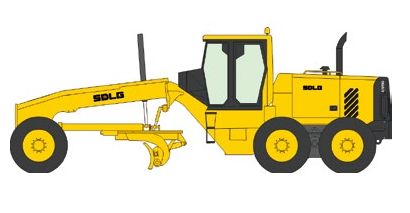 Motor Grader
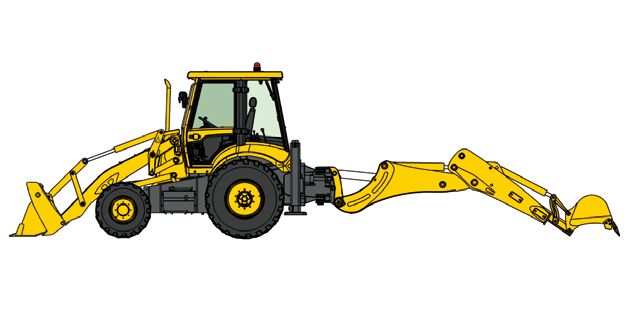 Backhoe Loader
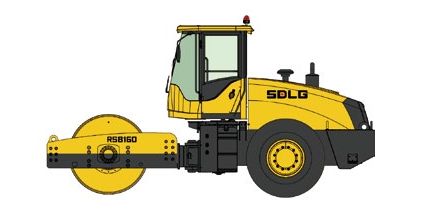 Road Roller
 Spare Parts