Top 5 Caterpillar Mini Excavator Models to Consider?
The Caterpillar Mini Excavator represents a critical asset in the construction and landscaping industries. With evolving technologies and increasing demand for versatile equipment, Caterpillar has remained a leader in mini excavator design. Recent industry data indicates that the mini excavator market is expected to grow significantly, with a projected CAGR of 5.6% from 2022 to 2027 (source: Market Research Future). This growth emphasizes the need for reliable and efficient machinery.
Caterpillar Mini Excavators offer a range of benefits, such as maneuverability and fuel efficiency. Models are designed for various tasks, from digging and grading to demolition in compact spaces. However, selecting the right model requires understanding the specific needs and challenges of a project. Factors like excavation depth, reach, and weight play a vital role.
While many models offer advanced features, it’s essential to balance technology and simplicity. An over-reliance on automation can lead to operational challenges. Reflecting on these aspects can help in choosing the most suitable Caterpillar Mini Excavator model. Considering your requirements and constraints ensures that you make an informed decision for your next project.
Overview of Caterpillar Mini Excavators
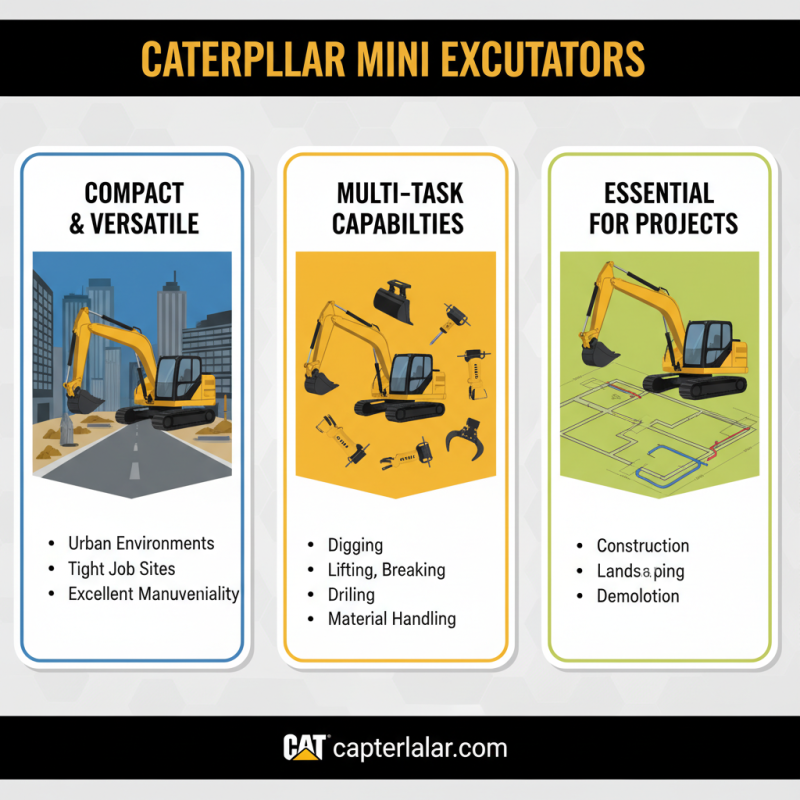
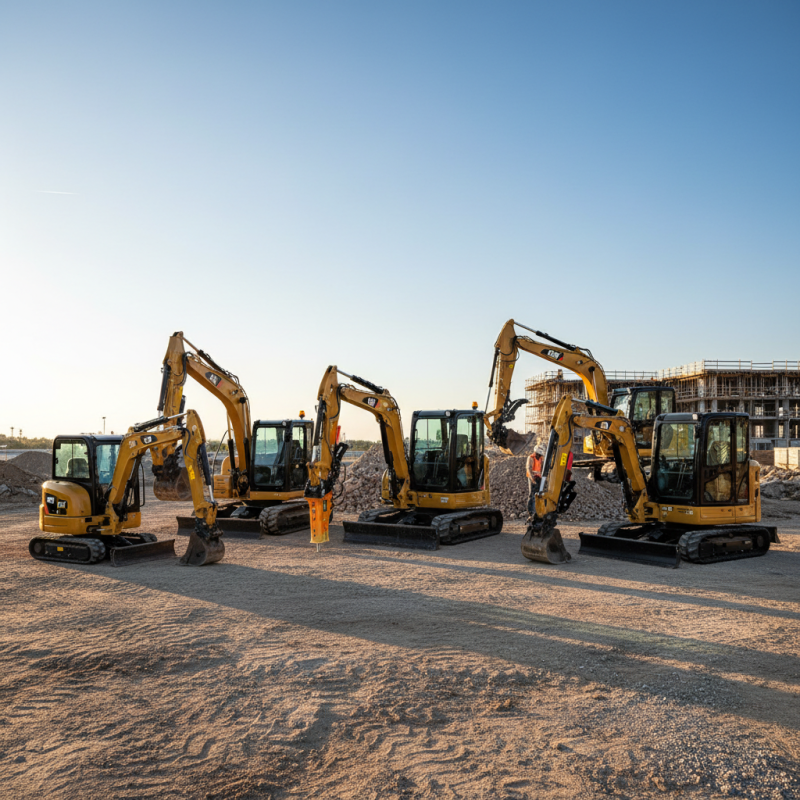
Caterpillar mini excavators are essential for various construction projects. They are compact and highly versatile machines, making them suitable for urban environments and tight job sites. Their design allows for excellent maneuverability, enabling operators to work in constrained spaces effectively. With various attachments available, these excavators can handle multiple tasks, from digging to lifting.
When considering these machines, focus on their power and efficiency. Many models feature advanced hydraulic systems, enhancing performance and minimizing fuel consumption. Operators appreciate the intuitive controls, which simplify operation, even for those less experienced. However, some users report a learning curve, particularly when switching from larger excavators. This highlights the need for proper training and familiarization with the equipment.
Maintenance is another vital aspect. Regular servicing is required to ensure optimal performance and longevity. Operators may find themselves overwhelmed if they neglect routine checks and fluid changes. Recognizing the importance of proper upkeep can save hundreds in repair costs down the road. Overall, while investing in these mini excavators can enhance productivity, understanding their limitations and maintenance requirements is crucial for success.
Key Features to Look for in Mini Excavators
When considering mini excavators, key features play a vital role. First, look at the operating weight. Lighter models are easier to transport, while heavier ones provide better stability. Think about your job site and what you need. Stability is essential, especially on uneven terrain. A good mini excavator should have a low center of gravity for enhanced performance.
Next, focus on the digging depth and reach. Many models offer impressive digging capabilities, but you need the right specifications for your projects. A shorter digging depth is limited, but it's easier to maneuver. Conversely, deeper digging allows for more versatility but can increase operational complexity. Evaluate your specific tasks carefully.
Additionally, hydraulic performance matters. Machines with strong hydraulic systems can handle tougher jobs. This aspect determines the speed and precision of your work. It could mean the difference between a smooth operation and a frustrating day. Pay attention to maintenance features as well. Easy access for repairs can save significant time and cost.
Top 5 Caterpillar Mini Excavator Models to Consider - Key Features to Look for in Mini Excavators
| Model |
Operating Weight (lbs) |
Engine Power (HP) |
Max Digging Depth (ft) |
Bucket Capacity (cu yd) |
Key Feature |
| Model A |
5,000 |
40 |
10.5 |
0.25 |
Compact Design |
| Model B |
6,200 |
48 |
11.0 |
0.30 |
Enhanced Digging Performance |
| Model C |
7,500 |
55 |
12.0 |
0.35 |
High Power to Weight Ratio |
| Model D |
8,000 |
60 |
13.5 |
0.40 |
Advanced Hydraulic System |
| Model E |
9,500 |
65 |
14.0 |
0.45 |
Outstanding Stability |
Top 5 Caterpillar Mini Excavator Models Explained
When considering mini excavators, a few models stand out. Each offers unique features that cater to different project needs. A compact design often leads to increased maneuverability in tight spaces. Performance is crucial, especially for heavy lifting tasks. An efficient hydraulic system ensures smooth operation. Potential buyers must carefully evaluate their requirements. It can be challenging to find the right balance between power and size.
Some models excel in fuel efficiency. This can significantly reduce operational costs over time. However, investing in a more powerful machine might be necessary for larger projects. Weight capacity varies, and understanding what you need is essential. User reviews can provide insights but may lack detailed specifics. It's vital to seek expert advice when possible, as it lends credibility to your decision.
Maintenance should also be a consideration. Some units require more frequent servicing, which can add to long-term costs. It’s not uncommon for users to overlook this aspect. A solid warranty can offer peace of mind. It may also help address any potential shortcomings with a particular model. Ultimately, making an informed choice is key in selecting the best mini excavator.
Comparison of Mini Excavator Models
Comparison of Performance and Specifications
When evaluating mini excavators, it's crucial to compare their performance and specifications. Each model has unique features tailored to different tasks. For instance, some excel in digging depth while others prioritize lifting capacities. Metrics like weight and horsepower influence maneuverability on various terrains.
Understanding the specifications can save you time and money. A light model might be easier to transport, while a heavier machine offers stability. Keep an eye on operating weight and fuel efficiency. These factors can significantly impact long-term operational costs.
**Tips:** If you're working in tight spaces, a compact model will perform better. Pay attention to the breakout force; it directly affects how well the machine can handle tough materials. Regular maintenance is key to ensuring any mini excavator's longevity. Choosing the right model involves weighing the pros and cons of each specification carefully.
Customer Reviews and User Recommendations for Each Model
When selecting a mini excavator, customer reviews can provide valuable insights. Users often praise models for their performance and durability. Many highlight the importance of comfort in the operator’s cabin. Several reviews mention that a well-designed cabin reduces fatigue during long jobs.
One model stands out for its excellent fuel efficiency. Users appreciate how this reduces operational costs over time. However, some have noted challenges in maneuverability in tight spaces. Another popular choice receives high marks for its hydraulic capabilities. Reviewers frequently mention that this model makes tough tasks easier. Yet, there are concerns regarding maintenance and parts availability.
Feedback varies among users about different models. Some find that the controls can be unintuitive at first. Others mention a learning curve that complicates initial usage. Despite these issues, many feel that choosing the right model ultimately saves time and energy. Designers are encouraged to continue improving ergonomics and control systems.

 Wheel Loader
  Excavator
 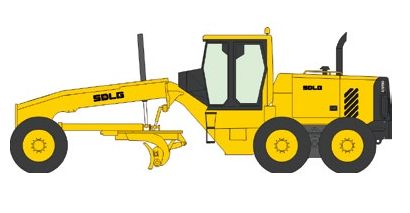 Motor Grader
 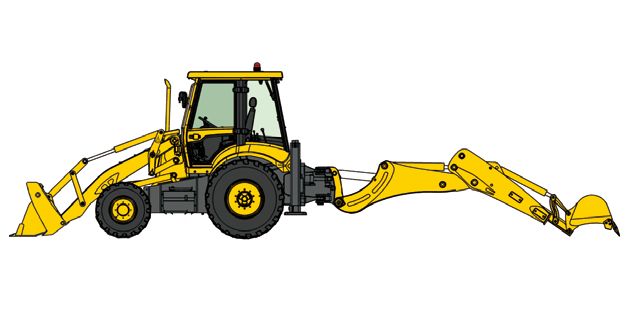 Backhoe Loader
 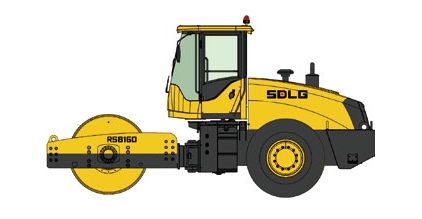 Road Roller
 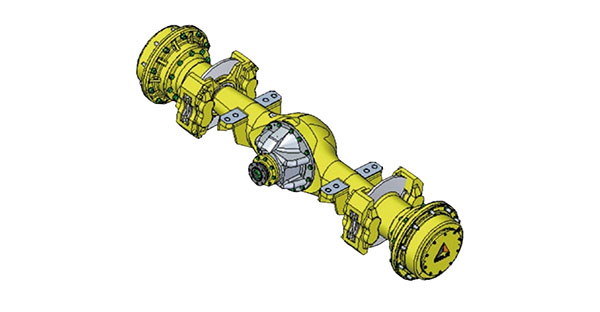 Spare Parts