How to Find the Best Mobile Excavator Mechanic in 2026?
When an excavator stops working, the next hour can reshape the whole job. A stalled machine may hold up a crew, delay a trench, or leave a site inaccessible. Downtime costs money. In 2026, finding the right Mobile Excavator Mechanic means looking beyond a quick promise or a low call-out fee. The best fit should understand your machine, explain the repair clearly, and arrive with a realistic plan.
Start with the details. Note the excavator’s make, model, operating hours, warning lights, and recent symptoms before calling. Ask whether the mechanic has experience with your specific machine and can diagnose hydraulic, electrical, or engine problems on-site. Request clear information about travel charges, labor rates, parts availability, and expected arrival time. Check recent references, relevant training, and whether the mechanic documents inspections and completed work. A tidy service truck helps, but it proves little by itself. Details matter.
Good communication is part of good repair work. A dependable mechanic should explain what needs attention now, what can wait, and why. Ask how urgent repairs could affect safe operation, and request an estimate before authorizing additional work. Keep the service record. It may help you spot repeat failures and plan maintenance. Still, no checklist guarantees a perfect outcome. I have to admit that even careful planning can miss an intermittent fault. The aim is not certainty; it is a better-informed choice, made before a small warning becomes a costly shutdown.
Identify the Excavator’s Repair Needs and Urgency
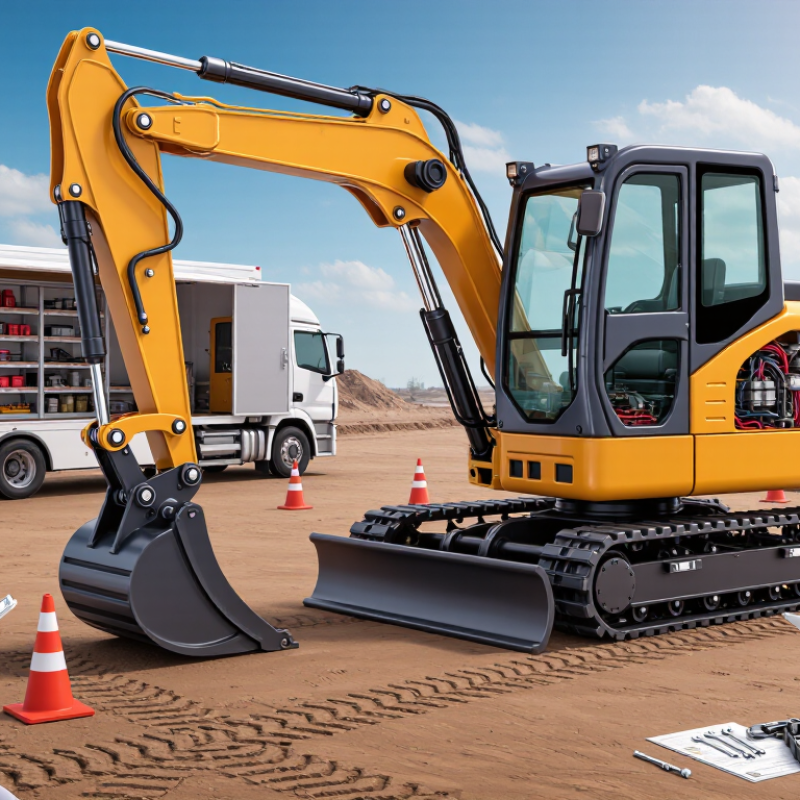
Before calling a mobile excavator mechanic, describe what the machine is doing—not just that it “feels wrong.” Note when the symptom began, whether it happens cold or after an hour of digging, and which functions are affected. A boom that drifts while the engine runs, a new hydraulic-hose leak, or a temperature warning each points to a different level of urgency. Small clues matter. Take clear photos of visible damage and record any warning lights, unusual sounds, or fluid on the ground. Do not crawl beneath an unsupported attachment to inspect it.
Decide whether the excavator can be parked safely, not whether the job is inconvenient. A suspected brake or steering problem, a cracked structural area, severe overheating, or a pressurized fluid leak calls for stopping work and arranging prompt professional assessment. Continuing may worsen damage or put people nearby at risk. A slow attachment or intermittent electrical fault may be less urgent, but it still deserves a clear description and a repair plan. Be specific about the machine’s location, access, and recent work; these details help the mechanic bring suitable tools and parts. It is easy to overstate a symptom when a deadline is looming. I’d rather report exactly what I observed and admit what I could not verify.
How to Find the Best Mobile Excavator Mechanic in 2026?
Identify the Excavator’s Repair Needs and Urgency
Use this practical triage guide when describing a fault to a mobile mechanic. A score of 3 means stop work and request urgent assessment; 2 means arrange prompt repair; 1 means plan routine service. These are qualitative guidance scores, not survey results. Follow the machine’s manual and have a qualified mechanic confirm the fault.
Verify a Mechanic’s Qualifications and Equipment Experience
Before hiring a mobile excavator mechanic, ask for records of relevant technical training and any certifications required for the work in your area. Confirm that their experience includes the excavator’s main systems, not only general machinery repair. Ask for a recent example involving hydraulic pressure loss, a damaged hose, or an electrical fault. Specifics matter. A capable mechanic should explain how they diagnosed the issue, what tools they used, and how they checked the repair afterward. Credentials help, but a polished résumé can still hide limited field experience. That gap deserves a closer look.
Check the service vehicle and ask what diagnostic equipment the mechanic brings to remote jobs. A pressure gauge, electrical meter, and suitable lifting and safety gear may be relevant, depending on the repair. Ask how they handle a fault that cannot be confirmed on site. A careful answer should include clear limits, not a quick promise. Request a sample service report with private details removed, and look for recorded symptoms, tests, parts used, and follow-up checks. Keep it practical. References can help, but one good recommendation is not proof of every skill. This check is not foolproof; a real breakdown may reveal gaps that paperwork misses.
Assess Mobile Service Coverage, Tools, and Response Times
A mobile excavator mechanic is only useful if the service area includes your jobsite, not just the nearest town.
Ask dispatch for the actual travel radius, after-hours coverage, and any distance surcharge. Then describe your machine’s symptoms, warning lights, and work conditions. A mechanic carrying hydraulic test gauges, electrical diagnostic tools, and common hose fittings may identify a fault on site. Confirm what requires a second visit. A wide service area can look reassuring on paper, but it means little if parts are unavailable.
Response time deserves evidence, not a vague promise.
Request the typical arrival window for urgent breakdowns and routine repairs, plus updates when a technician is delayed. The Associated General Contractors of America’s 2024 workforce survey found that 94% of firms with craft positions had difficulty filling them. That staffing pressure makes realistic dispatch estimates important. The U.S. Bureau of Labor Statistics projected 6% growth in heavy vehicle and mobile equipment service technician jobs from 2023 to 2033. Ask how many technicians cover your area and whether their skills match your excavator’s systems. I would verify this directly; a polished estimate can still miss muddy access roads, traffic, or a specialist’s limited schedule.
Compare Written Estimates, Warranties, and Safety Practices
A mobile excavator repair can look simple until the mechanic finds a second fault. Ask for a written estimate that names the machine, reported symptoms, diagnostic work, labor, travel fees, and likely parts. A useful estimate separates confirmed costs from possibilities. It also states what could change the price and how you will approve extra work. Keep it beside the service invoice. That makes comparisons fairer than comparing one total against another. Check whether the mechanic has experience with your excavator’s system, such as hydraulics or electrical controls. Specific answers matter. Vague promises do not. No estimate is perfect; a hidden leak may only appear after testing, and that is worth discussing before work begins.
Read the warranty before scheduling. Look for its duration, covered parts and labor, exclusions, and the process for reporting a repeat fault. Ask whether travel for a warranty repair is included. Then review safety practices for work at your site. The mechanic should assess ground stability, traffic, overhead hazards, and safe access around the machine. Ask how the excavator will be secured before inspection or repair, and whether the work area needs to be cleared. A tidy tool layout helps. So does a clear explanation. If an answer feels rushed, pause and ask again; I might be overly cautious, but unclear terms can become expensive later.
Choose a Mechanic Based on Verified Reviews and Job Fit
A high rating is a starting point, not a hiring decision.
Read recent reviews for excavator-specific work: hydraulic leaks, slow swing, undercarriage wear, or electrical faults. Look for concrete details, such as arrival time, diagnosis, and whether the repair held after the machine returned to work. Vague praise tells you little. Verified reviews help, but they are not proof of technical skill.
Check the mechanic’s fit for your actual job. Ask whether they can service your excavator’s size and fault type, bring diagnostic tools, and reach your site within a realistic window.
The U.S. Bureau of Labor Statistics projects 6% employment growth for heavy vehicle and mobile equipment service technicians from 2023 to 2033. That broad category includes more than excavator mechanics, but it signals steady demand for qualified technicians.
Request a written estimate and ask what happens if the first diagnosis is wrong. I would not rely on reviews alone; even a careful customer may leave out an important detail. Look for patterns, then confirm skills and availability directly.

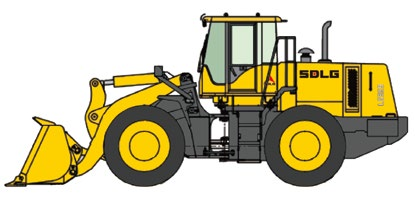 Wheel Loader
 Excavator
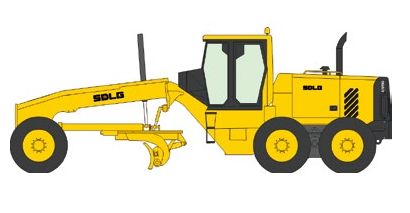 Motor Grader
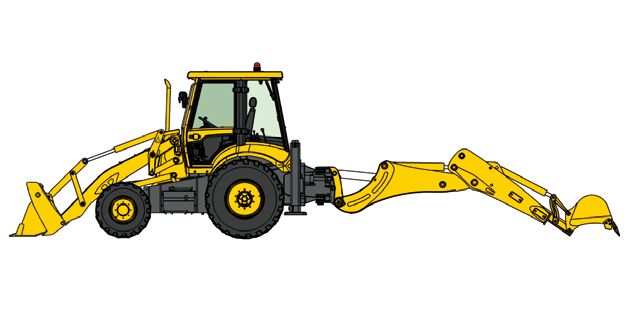 Backhoe Loader
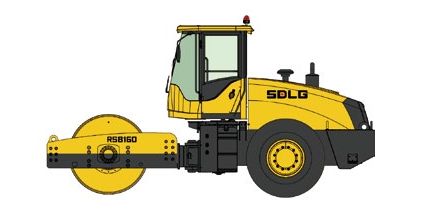 Road Roller
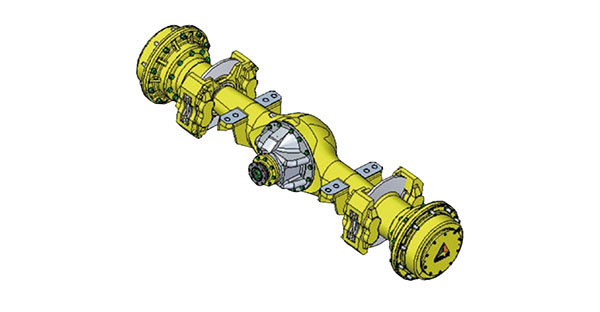 Spare Parts