When it comes to construction projects, choosing the right equipment is crucial. Sany Excavators stand out due to their reliability and performance. These machines can make or break a project's efficiency. However, selecting the ideal model requires careful consideration of various factors.
The construction industry faces constant challenges. Each project has unique demands. The right Sany Excavators should match those specific needs. Factors like size, power, and versatility play a vital role. Understanding these elements is essential for making an informed decision.
In this guide, we will explore ten essential tips for choosing Sany Excavators. These tips are designed to help professionals navigate the selection process. While many options are available, not all will fit your project perfectly. Be prepared to reflect on what truly suits your needs. A well-informed choice can enhance productivity and ensure success in your projects.
Choosing the right excavator for your project begins with a clear understanding of your needs. Start by identifying the type of work you will be doing. Will you be digging a foundation, moving earth, or demolishing structures? Each task requires different capabilities. Consider the weight and type of soil you’ll be working with. This directly affects the size and power of the excavator you’ll need.
Next, think about the operating environment. Are you working in tight spaces or on uneven terrain? Compact models are essential for limited areas. You may face access challenges that larger machines cannot handle.
Additionally, consider the depth of excavation needed. Different projects have unique depth requirements. This can influence your decision. Always remember that the wrong machine can lead to delays and increased costs. Take the time to reflect on these aspects, ensuring that the excavator you choose aligns with your project goals.
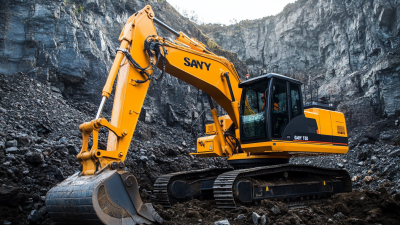
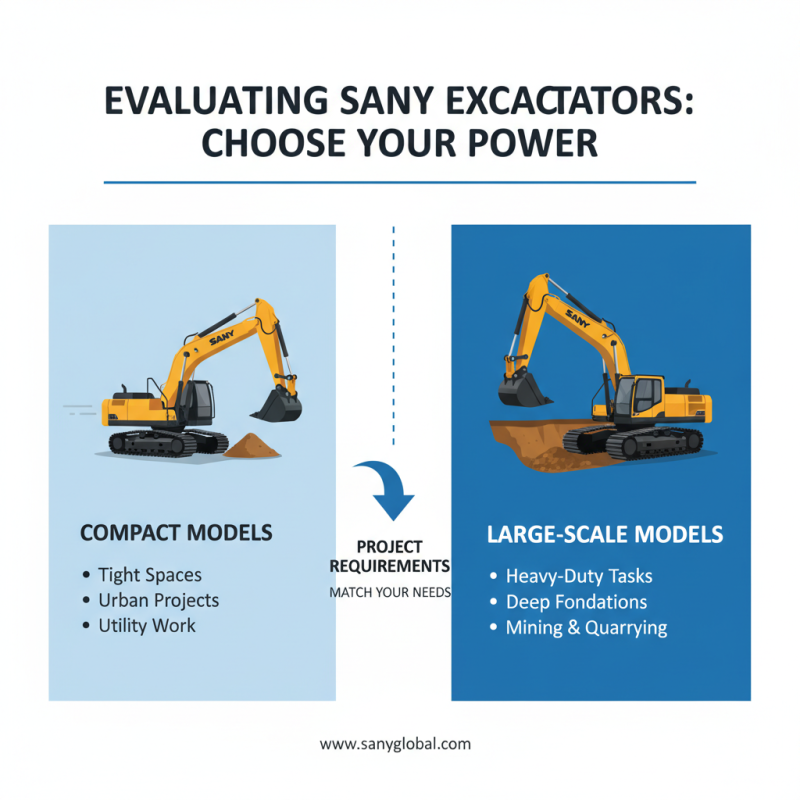
When evaluating the different models of excavators, understanding your project’s requirements is crucial. Sany offers a range of models, from compact machines to large-scale excavators. Each model serves specific functions. For instance, smaller excavators excel in tight spaces. On the other hand, larger models are better suited for heavy-duty tasks, such as digging deep foundations.
Considering the specifications of each model is vital. Pay attention to their operating weight, hydraulic power, and digging depth. Research by the Construction Equipment Guide shows that selecting the right size can improve efficiency by up to 30%. This demonstrates the significance of matching the right excavator to project needs.
Tip: Review fuel consumption rates. Efficient machines save costs over time. Moreover, check for available attachments. Versatile attachments can enhance functionality.
It’s also essential to evaluate the support and maintenance offered. Some models may have limitations in availability of parts or service. A report by the International Construction Association indicated that timely maintenance can prevent costly downtime and extend the lifespan of equipment. Take these factors into account when deciding which model best fits your project.
When selecting the right excavator for your projects, consider key features that make a significant difference. One important aspect is the digging depth. A model with a deeper reach may save you time on larger projects. Look for machines that offer adjustable boom lengths. This versatility allows for various tasks without needing multiple excavators.
Another feature to keep in mind is the hydraulic system. Strong hydraulic systems are essential for efficient and effective operation. They directly impact lifting capabilities and attachment versatility. Pay attention to the types of attachments available too. Compatibility with buckets, hammers, and grapples can enhance productivity.
The operator's comfort and safety should not be overlooked. An ergonomic cabin design can reduce fatigue during long work hours. Additionally, look for safety features like emergency shut-offs and clear visibility. These elements contribute to a safer working environment. It’s easy to overlook these details in the excitement of choosing new equipment, but they are vital for successful operations. Always weigh your options carefully.
When assessing the cost versus performance of excavators, understanding productivity is key. According to a recent industry report, productivity can vary based on machine specifications. For instance, a machine with a higher bucket capacity may perform better in large-scale earth-moving tasks. However, these models often come with a substantial price tag. A careful analysis is necessary to ensure the investment aligns with project goals.
The total cost of ownership (TCO) is another critical factor. Reports show that maintenance costs can account for up to 15% of TCO over a machine’s lifecycle. Choosing a machine that is easy to service can significantly reduce operational downtime. Monitoring fuel efficiency is important too; machines with better fuel consumption rates can lead to significant savings over time.
Additionally, consider the machine’s resale value. A model that depreciates slowly can offer better long-term value. A recent study found that some excavators retain up to 60% of their value after five years. This consideration can influence your initial purchase decision. Ultimately, finding the right balance between cost, performance, and efficiency is essential for maximizing your project’s success.
When selecting excavators, maintenance and support are crucial factors. A reliable service network can significantly reduce downtime. Choosing models with accessible parts can save time during repairs. It’s wise to ask about warranty coverage and service plans. Some manufacturers provide better post-purchase support. This support can offer peace of mind for project managers.
Regular maintenance is key to the longevity of any heavy machinery. Ensure that the excavators have clear guidelines for servicing. Look for models designed for easy routine inspections. When machines are sidelined for extended repairs, budgets can be strained. Understanding how to maintain the equipment efficiently can help prevent breakdowns. However, owners must also be wary of relying too heavily on outside service providers.
User manuals and technical support can also play vital roles. A well-documented manual can provide step-by-step maintenance instructions. Inadequate documentation can lead to improper servicing. This can create avoidable costs down the line. Therefore, prioritize models with comprehensive manuals. Train your team on basic maintenance tasks to foster confidence. This can lead to quicker resolutions for minor issues.
| Tip | Consideration | Maintenance Aspect | Support Availability |
|---|---|---|---|
| 1. Determine Project Requirements | Analyze the scope and scale of your projects. | Identify parts likely to require frequent maintenance. | Check the availability of service centers. |
| 2. Evaluate Engine Power | Consider the type of work and material density. | Look for models with easy access to the engine for maintenance. | Inquire about technical support for engine issues. |
| 3. Check Hydraulic System | Assess the efficiency needed for operations. | Understand the hydraulic fluid change intervals. | Verify support for hydraulic system troubleshooting. |
| 4. Assess Operating Weight | Choose based on the terrain and load conditions. | Consider the impact on tire and track wear. | Check for local spare parts for heavy models. |
| 5. Analyze Cab Comfort | Ensure it's user-friendly for long hours of operation. | Review ease of cleaning and upkeep in the cab area. | Confirm availability of ergonomic upgrades. |
| 6. Consider Fuel Efficiency | Assess running costs over time based on fuel usage. | Cost-effectiveness in fuel filter maintenance. | Look for support in fuel system repairs. |
| 7. Verify Attachment Compatibility | Choose attachments based on project needs. | Regular inspection and maintenance of attachments. | Access to support for non-standard attachments. |
| 8. Explore Advanced Technology | Look for technology that enhances productivity. | Understand the maintenance for advanced features. | Verify tech support for software-related issues. |
| 9. Check Warranty and Service Contracts | Review warranty terms for peace of mind. | Check what maintenance is covered by warranty. | Understand the support provided under contract. |
| 10. Research Resale Value | Consider long-term value of the investment. | Maintain good condition for better resale. | Evaluate support for resale services. |