How to Choose the Right Sany Excavators for Your Construction Needs?
Choosing the right machinery is crucial for any construction project. Sany Excavators are popular among contractors due to their reliability and performance. According to a recent industry report by ResearchAndMarkets, the global construction equipment market is projected to reach $192.98 billion by 2027. As companies expand, selecting the appropriate excavators becomes paramount.
Sany Excavators boast advanced technology and competitive pricing. The market demands versatility and efficiency. Sany offers a wide range of models to cater to different needs. However, choosing the right one can be challenging. Factors like job size, terrain, and material type influence the decision. For instance, small projects may only require compact models, while large-scale jobs might benefit from heavier, more powerful machines.
Furthermore, understanding the specifications of Sany Excavators is essential. Utilizing data from the American Society of Civil Engineers can guide your choice. Each model's horsepower, operating weight, and dig depth play critical roles. Proper research ensures optimal performance and return on investment. Making a hasty decision can lead to costly mistakes. Balancing needs with choices is key to successful project outcomes.
Understanding Your Construction Project Requirements
When selecting excavators for construction projects, understanding your specific needs is crucial. Different projects have unique requirements. For instance, consider the size of the site and the type of materials you'll be working with. Larger projects may necessitate more robust excavators with higher capacity. However, these machines can be less maneuverable in tight spaces.
It’s important to assess the terrain as well. Soft ground may call for specialized equipment to prevent sinking or instability. The weight and power of the excavators directly impact their performance on various surfaces. Check if your project requires digging deep or lifting heavy loads. You might also want to think about the attachments needed for specific tasks.
Budget constraints often play a significant role in decision-making. While opting for the cheapest option may save upfront costs, it might not be the most reliable choice. Without proper research, you may end up with a machine that doesn’t meet your expectations. Always weigh the long-term value against the initial prices. Make sure to reflect on whether the selected excavator aligns with your project goals and provides the efficiency needed to drive success.
Evaluating Different Models of Sany Excavators
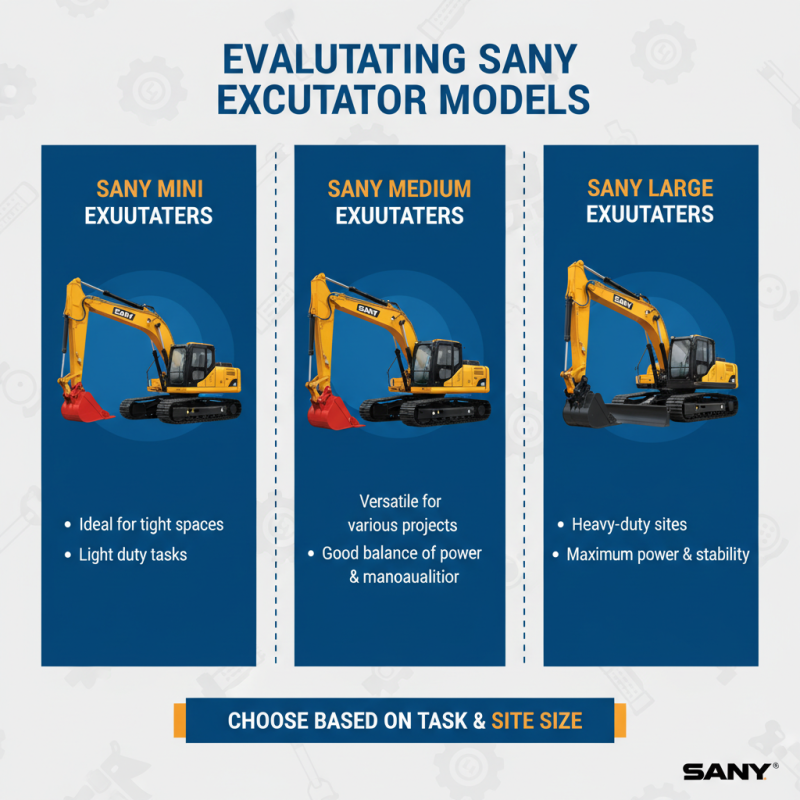
Choosing the right excavator model for construction projects requires careful evaluation. Knowing the specific tasks you'll undertake is crucial. For heavier sites, larger excavators often excel. They provide the power and stability needed. However, they can be challenging to transport and maneuver in tight areas.
Different Sany excavator models cater to various needs. Some are designed for small-scale projects, offering compact designs that fit into restricted spaces. Others are larger, providing greater digging depth and reach. It's essential to match the excavator's capabilities with your job requirements. Consider the weight, hydraulic power, and attachment compatibility.
Some users find it hard to balance power and efficiency. Many assume that more horsepower equates to better performance. However, fuel costs and machine wear are also significant factors. Failing to analyze these aspects can lead to increased operational costs. Always think about long-term value, not just initial performance.
Key Features to Consider When Choosing an Excavator
When selecting an excavator, understanding key features is essential. Weight and size are fundamental considerations. A larger excavator can handle tougher tasks but may struggle in tight spaces. Conversely, a compact model is better for urban sites, where maneuverability matters.
Hydraulic power is another critical factor. High hydraulic flow allows for better attachment performance, improving productivity. Check the lift capacity as well. Underestimating this can lead to project delays or hazards. While looking at specifications, also consider serviceability. Machines with easier access to parts reduce downtime.
Fuel efficiency is often overlooked. It directly impacts overall operational costs. A machine with high efficiency saves money but may cost more upfront. Understand the terrain and specific job requirements. Sometimes, a simpler solution may meet your needs better and avoid overcomplication. Balancing these factors requires careful thought. It’s an evolving decision-making process. You might choose a robust model but realize it is not the best for your site challenges. This reflection is vital for making informed choices.
Assessing Your Budget and Financing Options
When selecting the right excavator, your budget and financing options play crucial roles. According to a 2022 industry report, construction companies allocate approximately 20% of their budgets to heavy machinery. Understanding this financial landscape is key. If your budget is tight, consider pre-owned models. They can save you substantial costs while still meeting your project needs.
Financing options are equally important. Many suppliers offer tailored financing plans. These can help spread the cost over time, reducing upfront expenses. Yet, many buyers overlook total ownership costs. Maintenance, fuel, and insurance can add up. A recent analysis indicated that operational costs could reach 30% more than the purchase price over five years. This calls for careful budgeting beyond the initial investment.
Additionally, it’s crucial to reassess your financial strategy periodically. Economic fluctuations can affect financing options. The construction market is unpredictable. Staying informed about market trends is vital for making sound financial decisions. Consider workshops or webinars that focus on construction finances. They provide valuable insights for effective planning. Through informed choices, you can navigate the complexities of budgeting for your excavator needs efficiently.
Maintenance and Support Services for Sany Excavators
Maintenance of excavators is crucial for optimal performance. Regular upkeep leads to increased longevity and efficiency. A study by the Association of Equipment Manufacturers indicates that proper maintenance can extend machine life by up to 30%. Proper lubrication, timely oil changes, and regular inspections are essential tasks. They help identify potential issues before they escalate.
Tips for effective maintenance include keeping a maintenance log. Record each service, including date and type of work. This log can help track patterns, which may indicate recurring issues. Pay attention to fluid levels and replace filters as needed. Ignoring these minor tasks can lead to larger, costly repairs.
Support services are also vital. Reliable technicians should be available for repairs and part replacements. Training your team on basic troubleshooting improves uptime. While many operators are skilled, accidents happen. Ensure support services offer a comprehensive warranty. Some reports show that a solid support system can reduce downtime by 20%. Investing in training and support ensures smooth operations and enhances productivity.
How to Choose the Right Sany Excavators for Your Construction Needs? - Maintenance and Support Services for Sany Excavators
| Excavator Model |
Operating Weight (kg) |
Engine Power (kW) |
Digging Depth (m) |
Fuel Efficiency (L/h) |
Warranty Period (Years) |
| Model A |
8000 |
75 |
5.5 |
7.2 |
3 |
| Model B |
12000 |
90 |
6.2 |
8.0 |
3 |
| Model C |
15000 |
110 |
7.4 |
10.5 |
5 |
| Model D |
18000 |
140 |
8.0 |
12.0 |
5 |

 Wheel Loader
  Excavator
 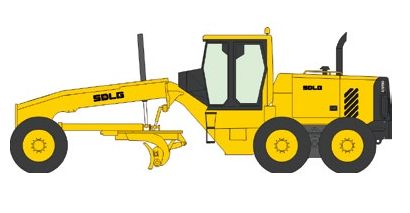 Motor Grader
 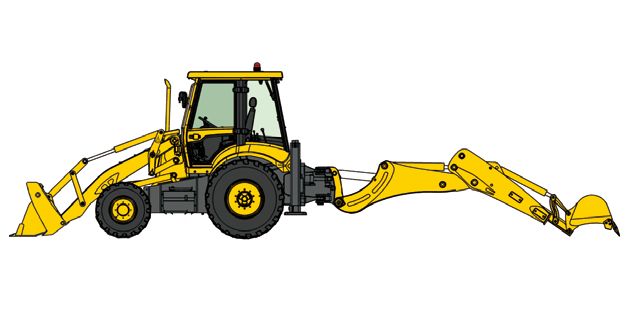 Backhoe Loader
 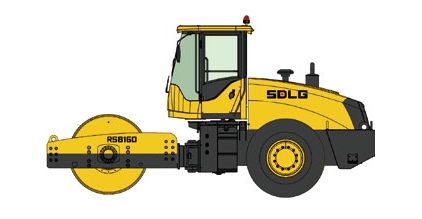 Road Roller
 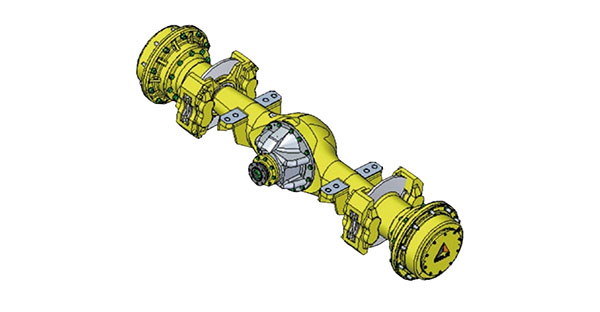 Spare Parts