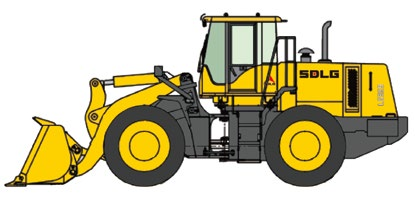
 Wheel Loader
 Excavator
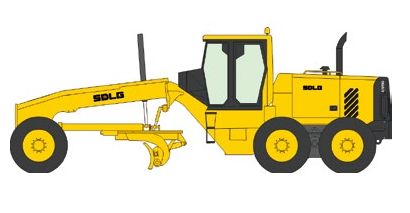 Motor Grader
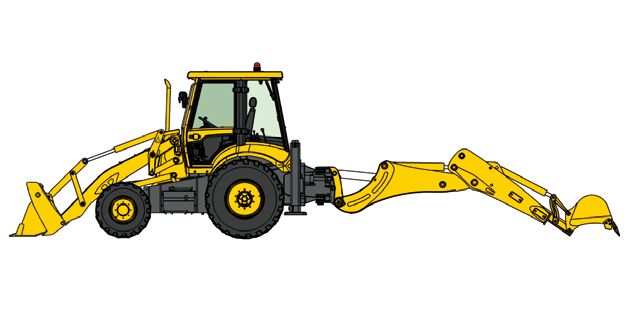 Backhoe Loader
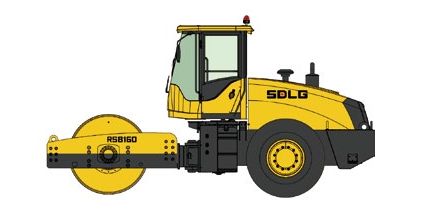 Road Roller
 Spare Parts
Leave Your Message
Choosing Heavy Equipment Movers in 2026 takes more than comparing prices. A safe, well-planned move starts with the machine itself: its weight, dimensions, center of gravity, and loading points. A crawler excavator, for example, may need different transport arrangements than a compact lift. The details matter. Before requesting quotes, gather accurate specifications, pickup and delivery addresses, and any access limits, such as low bridges, narrow gates, or soft ground.
This guide explains how to assess Heavy Equipment Movers, from relevant experience and suitable trailers to insurance, communication, and written estimates. Ask how the company plans loading, secures the machine, checks the route, and handles delays. Confirm which services are included, and request references for similar equipment when possible. A low quote can leave important questions unanswered. So can a polished sales pitch. Look for clear answers and a plan that fits your specific move, rather than promises that sound good for every job.
The right choice depends on the equipment, route, schedule, and site conditions. Even careful planning can miss a detail; it is worth checking assumptions with the mover before pickup day. This article offers a practical framework for comparing providers and spotting gaps early. It cannot replace equipment-specific advice or a site assessment. Still, a few focused questions can make the decision more informed—and the move less stressful.
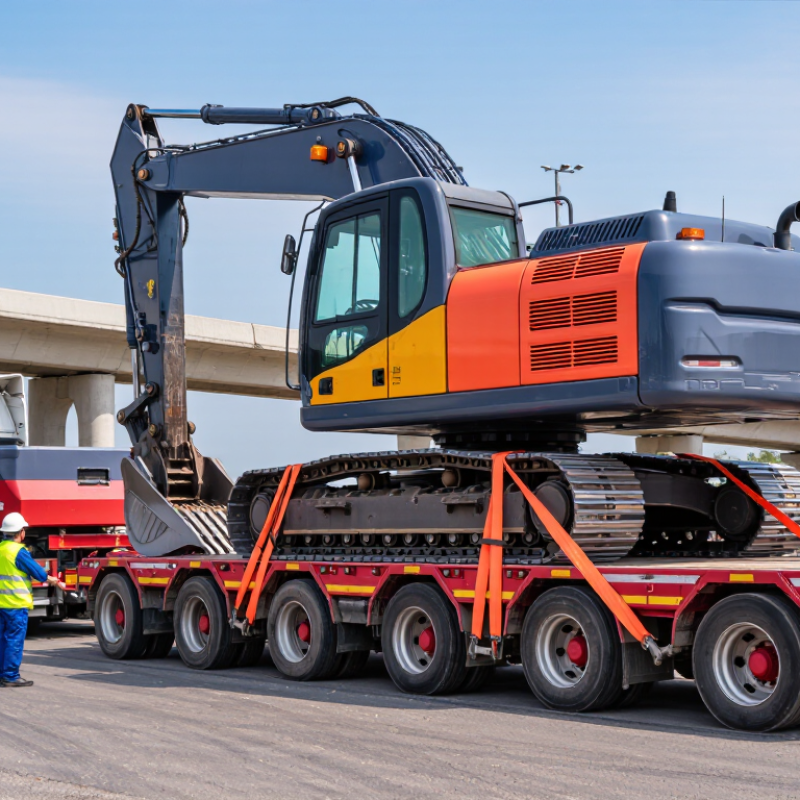
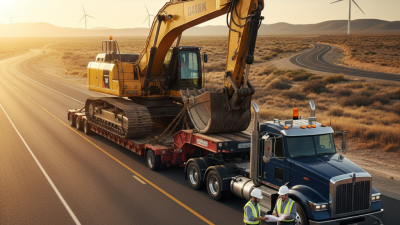
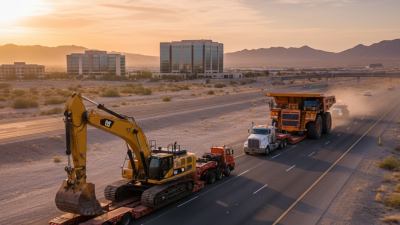
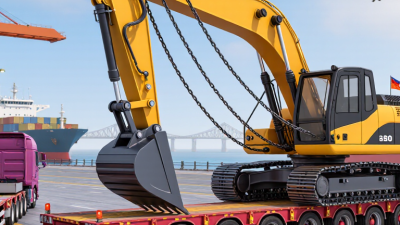
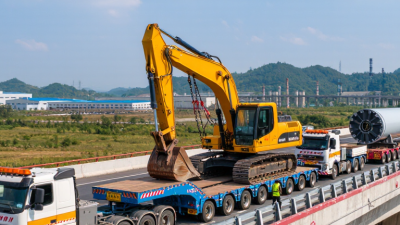
Choosing a heavy-equipment mover starts with the machine, not the quote. Provide its operating weight, overall height and width, track or tire configuration, and any attached buckets or booms. Ask how the proposed trailer supports the load and whether loading equipment is included. Small gaps matter. A few inches can change clearance, while uneven weight distribution can affect securement. Measure twice, including the machine’s actual configuration on pickup day.
Route planning deserves equal attention. Check bridge limits, overhead clearances, tight turns, steep grades, construction, and delivery time windows. The Federal Highway Administration’s Freight Analysis Framework 5.0 projects U.S. freight tonnage to grow about 50% from 2020 to 2050. That broad forecast is not specific to heavy equipment, but it underscores the value of careful capacity and timing plans. Give the mover exact pickup and delivery addresses, plus photos of narrow gates, soft ground, or low wires. Confirm who handles route checks and required permits. Then settle unloading details: ramp or crane needs, ground firmness, site access, and the receiving crew’s hours. Put the agreed equipment, route assumptions, schedule, and handoff responsibilities in writing. A rushed site check can still miss something; revisit the plan if conditions change.
| Equipment type | Typical transport weight and dimensions | Transport setup to discuss | Route conditions to assess | Delivery requirements | Mover selection checks |
|---|---|---|---|---|---|
| Mid-size crawler excavator | Often about 20–30 metric tonnes; transport width commonly around 2.9–3.2 m, depending on model and configuration. | Lowboy or other suitable low-deck trailer; confirm whether the bucket, counterweight, or other attachments must be removed and shipped separately. | Check permitted width and height, bridge limits, overhead clearance, turning space, and road access at the destination. | Confirm a firm delivery window, unloading area, ground bearing capacity, and access for the trailer and any unloading equipment. | Request a load plan, securement method, permit plan where required, and confirmation that the carrier can handle the machine’s actual loaded dimensions. |
| Large crawler dozer | Often about 20–35 metric tonnes; overall width can vary substantially, commonly around 3.0–4.0 m with blade or other attachments fitted. | A lowboy may be appropriate; blade, ripper, or other attachments may need to be detached or separately positioned to meet legal dimensions and loading limits. | Evaluate route width, narrow bridges, road weight limits, steep grades, construction restrictions, and turning clearance for a long combination vehicle. | Arrange a level, stable unloading area with adequate room to reconnect attachments and move the dozer safely after unloading. | Verify that the mover has suitable trailer capacity, experience with tracked machinery, and a clear plan for attachment handling and securement. |
| Wheel loader | A medium-to-large loader may weigh roughly 15–25 metric tonnes; width is often around 2.8–3.3 m, depending on tires and bucket. | Select a trailer based on the loader’s operating weight, axle distribution, ground clearance, and whether the bucket can be removed or carried separately. | Check bridge and pavement limits, route grades, overhead clearances, and access through gates or site entrances. | Ensure the receiving site has a clear, firm unloading surface and sufficient space to maneuver the loader off the trailer. | Compare trailer suitability, loading and unloading arrangements, cargo insurance terms, and the carrier’s procedure for protecting tires and attachments. |
| Rough-terrain crane | Weight and dimensions vary widely by lifting capacity; confirm the crane’s shipping configuration, axle loads, overall height, and whether the boom or accessories travel separately. | Use a transport configuration and trailer matched to the manufacturer’s shipping specifications. Separate loads may be needed for boom sections, counterweights, or accessories. | Review bridge capacity, overhead wires and structures, route grades, turning radii, road restrictions, and any required utility coordination. | Coordinate arrival with the site supervisor; confirm ground stability, setup space, delivery sequence, and availability of personnel for receiving separate loads. | Ask for a configuration-specific route and permit review, documented load weights, and confirmation of who is responsible for loading and unloading each component. |
| Telehandler | Many models weigh approximately 10–15 metric tonnes; transport width is often around 2.4–2.6 m, but attachments and tires can change dimensions. | A suitable flatbed or low-deck trailer may work, subject to verified weight, height, loading angle, and securement points. Confirm whether forks or other attachments travel separately. | Check total loaded height, overhead clearance, bridge limits, site access, and any local road restrictions. In the United States, standard legal width is generally 8.5 ft (2.59 m), but rules and exceptions vary by jurisdiction. | Confirm the unloading surface is level and firm, and that the site has enough clearance for unloading and safe movement after delivery. | Verify the carrier’s trailer dimensions, ramp or loading method, securement plan, and process for checking the machine’s height before dispatch. |
| Articulated dump truck | Operating weight commonly ranges from about 25–40 metric tonnes for many models; transport dimensions depend on the machine and whether it is divided into sections. | The mover should assess whether the truck can travel in one piece or requires disassembly and multiple loads, based on legal dimensions, weight, and route constraints. | Assess axle and bridge limits, route width, turning geometry, overhead clearance, road surface, and access restrictions near the job site. | Plan delivery around site traffic and unloading space; confirm ground conditions and the receiving crew’s availability if multiple loads are involved. | Request a written transport configuration, total-load and axle-weight details, a route review, and a schedule that accounts for any separate trips. |
Planning note: Weight and dimension figures are indicative ranges, not specifications for a particular machine. Verify the exact operating and shipping configuration with the equipment documentation and measure the load before booking. Permit thresholds, escort requirements, and route rules vary by jurisdiction and should be confirmed for the complete route.