Leave Your Message

2026 Top Heavy Equipment Movers for Global Buyers

Global equipment purchases are becoming more complex, especially when machinery crosses several borders. Buyers need more than a low freight quote. They need dependable Heavy Equipment Movers with proven handling skills, clear documentation, and realistic delivery planning.

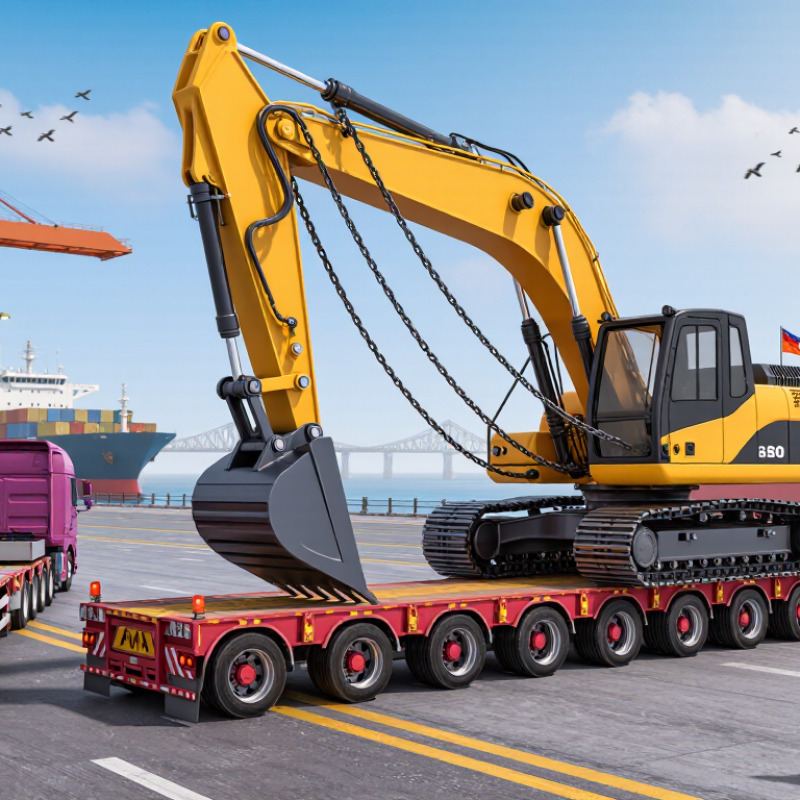
This guide introduces leading heavy equipment movers for global buyers in 2026. It focuses on practical performance, including route planning, lifting capacity, port coordination, cargo securing, insurance options, and final-mile delivery. A 180-ton excavator may require reinforced ramps, specialized trailers, and carefully measured bridge clearances. A compact loader may need less equipment, but improper securing can still cause costly delays or damage.

Experience matters here.

The companies discussed should demonstrate verifiable project records, trained crews, suitable transport fleets, and responsive communication. Strong movers also explain customs requirements and destination procedures without making unrealistic promises. Service quality can change by country, season, equipment type, and transport route, so no global ranking is permanently perfect. That limitation deserves attention. Buyers should still request current licenses, safety records, insurance certificates, and detailed quotations before choosing a provider. Pricing alone can hide storage charges, port fees, fuel adjustments, or last-mile restrictions.

This overview is designed to help importers, contractors, dealers, and manufacturers compare providers with greater confidence. It also encourages careful questions, because reliable logistics decisions begin with evidence rather than attractive marketing claims.
2026 Top Heavy Equipment Movers for Global Buyers

What Heavy Equipment Movers Do in Global Transport

2026 Top Heavy Equipment Movers for Global Buyers

Heavy equipment movers manage the physical and administrative details of global transport. They move excavators, cranes, loaders, and industrial machines between ports, factories, and project sites. Their work begins with measuring the machine, checking its weight, and confirming lifting points. A small measurement error can cause expensive delays.

Movers select suitable transport, such as flatbed trailers, roll-on/roll-off vessels, or heavy-lift ships. They also coordinate route surveys, cargo securing, export documents, insurance records, and destination delivery.

Experienced teams inspect tires, hydraulic systems, and loose components before loading. Photos create a useful condition record. They do not replace professional inspections, though. A perfect move is rare.

Tips: Clean the machine before inspection. Remove unsecured tools and attachments. Share accurate dimensions early. Ask for a written loading plan and delivery schedule. Confirm who handles customs clearance and port storage fees. Keep one contact available across time zones. Delayed replies can affect cranes, drivers, and vessel bookings. Check the details twice.

Reliable movers communicate changes quickly and explain technical limits clearly. They use approved chains, binders, ramps, and lifting equipment for the cargo type. Weather, road restrictions, and port congestion can still alter plans. Good coordination reduces surprises, but it cannot remove every risk. Global buyers should compare experience, documentation quality, safety procedures, and service coverage before choosing a transport partner.

Key Services Offered by Leading Heavy Equipment Moving Companies

2026 Top Heavy Equipment Movers for Global Buyers

Leading heavy equipment moving companies offer more than trucks and loading crews. They manage complex transport from the pickup yard to the final worksite. Experienced coordinators begin with equipment measurements, weight checks, and route surveys. They identify low bridges, narrow roads, weak surfaces, and difficult loading points.

Planning matters greatly.

Professional movers arrange suitable trailers, lifting equipment, securing systems, and trained operators. Oversized machinery may require modular transport, escort coordination, or controlled port handling. International services can include export documents, cargo classification, customs support, and destination delivery. Reliable teams explain each requirement clearly instead of hiding costs in vague estimates.

Cargo protection is another key service. Crews inspect tires, hydraulic lines, attachment points, and visible damage before loading. They use chains, restraints, protective covers, and photographed condition reports.

Live tracking can help buyers monitor progress across long routes. However, tracking is not a substitute for communication. Delays still happen. Weather, port congestion, or an incorrect measurement can disrupt a schedule.

Strong providers maintain cargo insurance options and documented handover procedures. They also confirm unloading conditions before arrival. A crane may be needed, but not every site can support one safely.

Buyers should ask for realistic timelines, written responsibilities, and proof of relevant experience. Even careful plans need review. Small oversights can become expensive delays.

How to Choose a Reliable International Equipment Mover

2026 Top Heavy Equipment Movers for Global Buyers

How to Choose a Reliable International Equipment Mover

Choosing an international equipment mover requires more than comparing freight prices. Confirm experience with excavators, cranes, loaders, and other oversized machinery. Ask how the mover handles permits, route surveys, port transfers, lifting, and final delivery. A reliable provider explains each stage clearly. Request recent customer references and verify their operating history. Check cargo insurance limits, exclusions, and claims procedures before signing any agreement.

Tips: Request a detailed quotation with every charge listed. Confirm equipment dimensions and weight from current inspection records. Ask for photographs before loading and after securing. Tracking updates should include departure, transshipment, and arrival milestones. Keep one contact responsible for urgent questions. Small details matter.

No plan is flawless. Weather, port congestion, or equipment delays can still disrupt schedules. However, experienced movers prepare practical alternatives instead of making unrealistic promises. Compare the proposed route with your delivery deadline and site conditions. A narrow gate, weak bridge, or limited crane access can create expensive problems. Ask whether the mover has checked these points directly. Also review packing methods, tie-down standards, customs paperwork, and destination handling. Clear documents reduce avoidable delays. When answers remain vague, pause the shipment and request evidence. A lower quote may become costly when essential services appear later.

2026 Top Heavy Equipment Movers for Global Buyers

How to Choose a Reliable International Equipment Mover

The chart compares the latest available World Bank Logistics Performance Index scores from 2023 for selected international logistics hubs. Higher scores indicate stronger customs efficiency, transport infrastructure, shipment organization, logistics competence, tracking capability, and delivery timeliness.

Use the logistics environment as an initial screening factor, then verify a mover’s heavy-lift experience, insurance coverage, permits, route planning, cargo tracking, and delivery record. Source: World Bank, Logistics Performance Index 2023. Scores range from 1 to 5.

Global Regulations, Permits, and Documentation Requirements

2026 Top Heavy Equipment Movers for Global Buyers

Global Regulations, Permits, and Documentation Requirements

Moving excavators, cranes, and mining equipment requires regulatory planning before loading. Maritime transport carries over 80% of global merchandise trade by volume, according to UNCTAD’s Review of Maritime Transport 2024. That scale does not simplify oversized cargo. Each border may apply different axle limits, road dimensions, safety rules, and customs procedures.

Permits must match the actual machine.

A reliable mover verifies the equipment’s dimensions, gross weight, center of gravity, and lifting points. Route surveys should identify low bridges, weak roads, restricted tunnels, and escort requirements. Customs files commonly include the commercial invoice, packing list, bill of lading, HS classification, origin evidence, and insurance documents. Temporary imports may require an ATA Carnet, where accepted. Local authorities can also request emissions, conformity, or roadworthiness records.

The World Bank’s Logistics Performance Index 2023 evaluates customs, infrastructure, shipment arrangements, logistics competence, tracking, and timeliness across 139 economies. These factors directly affect project schedules. A missing translation or incorrect serial number can hold a machine at the port for days. Not every delay is dramatic.

Some are paperwork errors.

In practice, documentation should be checked against nameplates and photographs before dispatch. I have seen planning assumptions fail when a machine’s attachment changed its declared dimensions. Requirements also change faster than internal checklists. Buyers should confirm rules with destination customs offices, transport authorities, and qualified compliance specialists before shipment.

Costs, Timelines, and Safety Standards for Heavy Equipment Shipping

2026 Top Heavy Equipment Movers for Global Buyers

Costs, timelines, and safety standards determine whether heavy equipment shipping stays predictable. In my experience, buyers should request a full quotation before booking transport. The estimate should include inland hauling, port handling, ocean freight, insurance, customs processing, and delivery. Oversized machinery often needs route surveys, permits, escorts, and specialized lifting. These services can change the final price quickly. Fuel prices and seasonal port congestion may also create surcharges.

Transit commonly takes four to ten weeks, depending on origin, destination, vessel schedules, and inland routes. Preparation may require another one or two weeks. Accurate dimensions matter. A small measurement error can cause rebooking, storage fees, or loading delays. I have seen schedules fail because hydraulic attachments were not secured correctly. That part deserves more attention than many buyers expect.

Tips: Photograph the machine from every angle before pickup. Record its weight, dimensions, serial information, and operating condition. Ask for a written loading plan and verified delivery milestones. Confirm that workers use suitable lifting points, restraints, protective padding, and inspected equipment. Safety procedures should reflect recognized international standards and local port requirements. Do not rely on verbal promises alone. Keep copies of permits, cargo insurance, inspection records, and signed handover documents. Shipping plans are rarely perfect, and reviewing weak assumptions early can prevent expensive surprises.