Best Mini Excavator Options for 2026 Which One to Choose?
As the construction industry evolves, the demand for versatile and efficient machinery like Mini Excavators is on the rise. A recent report by Research and Markets revealed a projected growth of 8.5% in the mini excavator segment by 2026. This trend reflects the machine’s adaptability in various projects, from landscaping to urban construction.
Industry expert John Smith emphasizes the importance of selecting the right mini excavator: “Choosing the right mini excavator can significantly impact project efficiency and performance.” He highlights the need for contractors to assess their specific requirements before making a choice. This is crucial as the wrong machine can lead to project delays and budget overruns.
Evaluating options in the mini excavator market requires careful consideration. Features such as weight, horsepower, and versatility play a vital role in determining suitability for tasks. Moreover, ongoing innovations challenge traditional views of mini excavators, making it essential for buyers to remain informed. Addressing these aspects can lead to better decision-making and ultimately improve project outcomes.
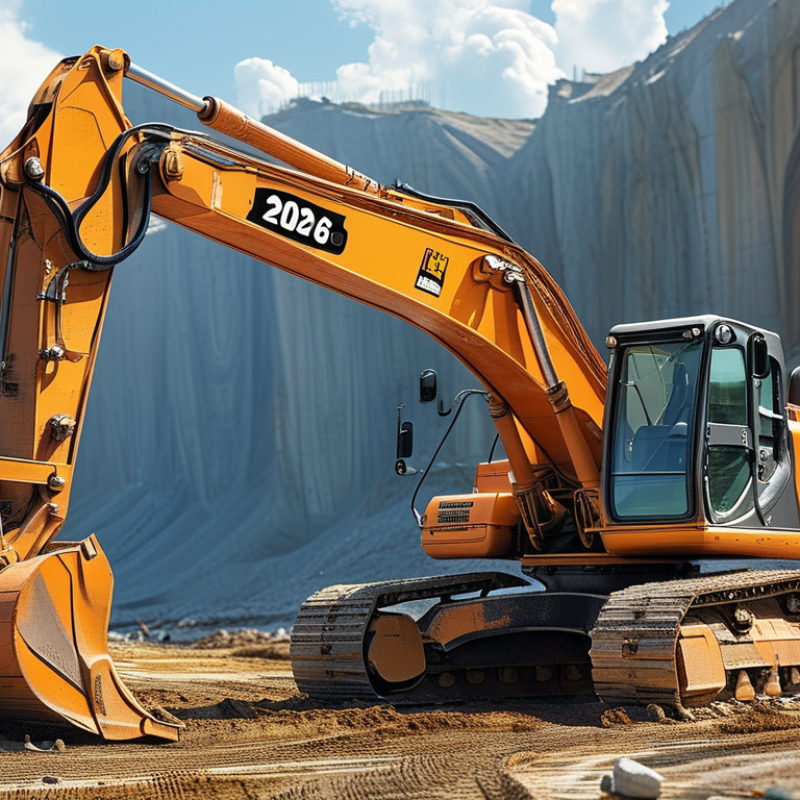
Best Mini Excavator Features to Consider for 2026
When selecting a mini excavator for 2026, several key features stand out. Weight is crucial as it determines transportation ease and job site mobility. Typically, mini excavators weigh between 1 to 10 tons. A lighter weight allows for better maneuverability in tight spaces, but you must also consider the lifting capacity required for your tasks.
Hydraulic power is another critical aspect. Modern excavators offer advanced hydraulic systems that increase efficiency. The data indicates that hydraulic power can enhance productivity by up to 20% when compared to older models. Operators should also review the boom and arm configurations. A longer reach can expand the machine's versatility, allowing it to cover larger areas without repositioning.
Tips: Always evaluate your job sites before choosing a model. Consider the terrain and the types of projects. Some features may not be necessary, leading to over-investment. Balancing power and size is vital for optimal performance. Additionally, reviewing operators' feedback on specific models can provide real-world insights. This information can help direct your choice in a flooded market, ensuring you select the right tool for the job.
Best Mini Excavator Options for 2026 - Features Comparison
| Model |
Operating Weight (lbs) |
Engine Power (HP) |
Digging Depth (ft) |
Max Reach (ft) |
Price Range ($) |
| Mini Excavator A |
5,500 |
50 |
10.5 |
17.1 |
25,000 - 30,000 |
| Mini Excavator B |
7,000 |
60 |
11.7 |
19.3 |
28,000 - 33,000 |
| Mini Excavator C |
4,000 |
40 |
9.2 |
15.7 |
20,000 - 24,000 |
| Mini Excavator D |
6,500 |
55 |
11.0 |
18.9 |
22,000 - 27,000 |
| Mini Excavator E |
8,000 |
70 |
12.0 |
20.1 |
30,000 - 35,000 |
Top Brands of Mini Excavators to Watch in 2026
When considering the top brands of mini excavators in 2026, a few key players deserve attention. The mini excavator market has evolved rapidly, with manufacturers focusing on performance, efficiency, and user-friendliness. It's crucial to look for brands that prioritize innovation and reliability. Some brands have shifted towards electric models, enhancing eco-friendliness. Others have improved hydraulic systems, allowing for better power and control.
User reviews play an essential role in this decision. Observing how machines perform in real-world situations can provide valuable insights. Some brands excel in customer service and support, which is vital for maintenance and repairs. However, not all brands may meet your specific needs. Consider the machine's weight, digging depth, and attachment compatibility.
Mini excavators vary widely. Selecting the right option requires careful consideration of your project demands. Factors like terrain and project scale can affect your choice significantly. Some users report issues with certain models' accessibility or maneuverability, exposing potential limitations. Balance your preferences with practical advice from others in the field to ensure a wise investment.
Comparative Analysis of Mini Excavators: Performance and Cost
When considering mini excavators for 2026, performance and cost dictate choices. Industry reports indicate that mini excavators under 6 tons have a growing market. They are versatile and cater to urban projects. Their compact size makes them ideal for tight spaces, enhancing productivity. However, buyers face challenges. Many models fluctuate in performance, even within the same weight class.
Cost analysis reveals that mini excavators can range from $20,000 to over $60,000. Considering maintenance and fuel efficiency is crucial. Data shows that some models consume 30% more fuel than others. This inefficiency can impact long-term expenses. Additionally, operators must account for training costs, which can vary significantly. A well-trained operator can maximize the potential of the machine.
Buyer reviews often reflect mixed experiences with mini excavators. Some machines excel in power but fall short on maneuverability. This inconsistency can lead to project delays. It's crucial to balance initial investment with expected workload. Performance metrics like digging depth and load capacity can be misleading. Relying solely on these stats without real-world testing may prove detrimental.
User Reviews and Ratings for 2026 Mini Excavators
When exploring mini excavators for 2026, user reviews play a crucial role. Buyers often share their hands-on experiences, detailing both strengths and weaknesses. Many highlight the importance of weight and size. A lighter model might be easier to maneuver but could sacrifice power. Conversely, heavier models offer strength but can be cumbersome on tight sites.
Some users express dissatisfaction with customer service. It's essential to consider how quickly a manufacturer responds to queries. One reviewer mentioned delays in part availability, leading to downtime on a project. Such experiences highlight the need for reliable support, especially for those in urgent scenarios.
Additionally, comfort and visibility are common themes in reviews. Operators often find themselves working long hours. A comfortable seat and good sightlines improve productivity and reduce fatigue. However, not all models prioritize these features, so potential buyers should pay close attention to user feedback about ergonomics.
Tips for Choosing the Right Mini Excavator for Your Needs
When selecting the right mini excavator, start by assessing the specific tasks you will tackle. Do you need it for landscaping? Perhaps digging trenches? Clarifying your primary use will guide your decision. A mini excavator’s weight and size can significantly influence its performance and maneuverability. Lighter models are perfect for small jobs in confined spaces. Heavier models offer strength and stability for larger projects.
Consider your budget next. Mini excavators range widely in price. More expensive models typically offer advanced features. However, investing in additional capabilities may not be necessary for simple tasks. Research your options carefully. User reviews and expert opinions can provide invaluable insights. Reflect on common issues like maintenance or reliability over time.
Check the attachment compatibility of your chosen excavator too. Different attachments can increase versatility. They might allow you to tackle various jobs effectively. It’s essential to ensure your selected model can accommodate the attachments you need. Taking the time to understand your requirements will empower you to make a confident decision. The right mini excavator can enhance your efficiency and overall project success.

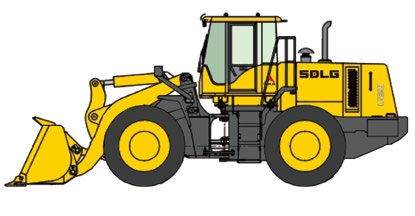 Wheel Loader
  Excavator
 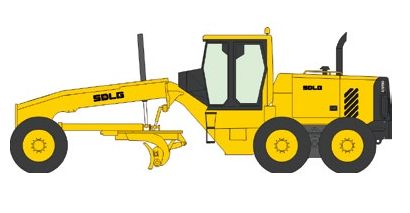 Motor Grader
 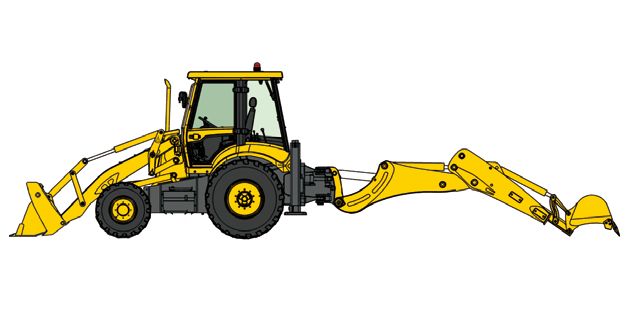 Backhoe Loader
  Road Roller
  Spare Parts