Leave Your Message

What Is the Best Heavy Equipment Machinery in China?

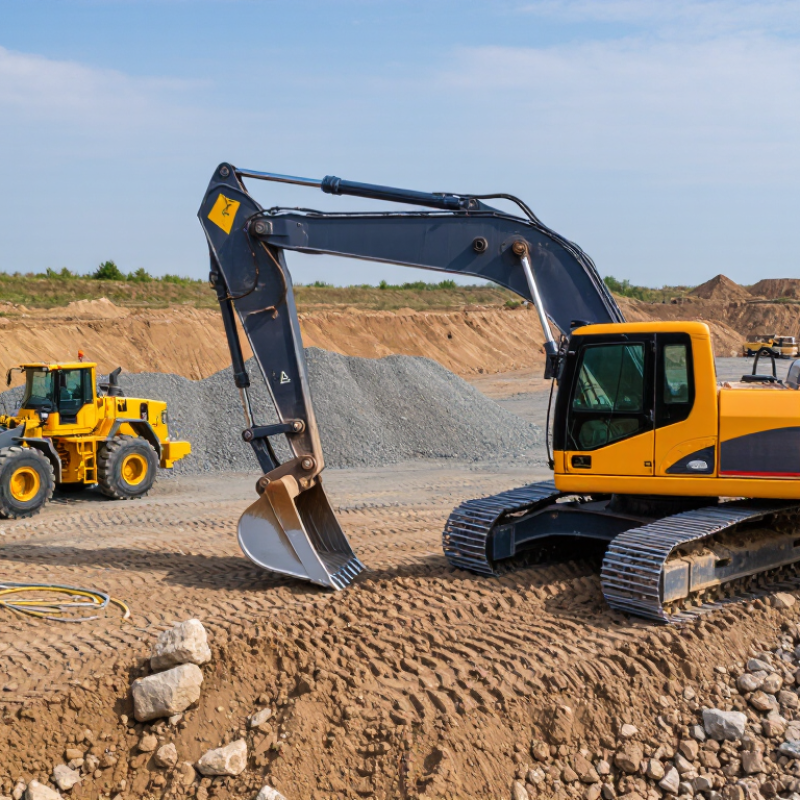
Choosing the best Heavy Equipment Machinery in China is not a simple brand contest. The right machine must match the job, terrain, workload, service network, and ownership budget. A crawler excavator working in rocky ground has different demands from a wheel loader handling materials on a compact site. Small details matter: bucket capacity, fuel use, parts availability, and the time a machine spends waiting for repairs.

China’s Construction Machinery Association reported 201,131 excavator sales in 2024, including 105,553 exports. That scale signals a broad manufacturing base, but sales volume alone cannot prove that one model is best for every buyer. The association’s figures are a useful market indicator, not a substitute for machine-level testing. CCMA president Su Zimeng has described the sector’s direction as “high-quality development.” For buyers, that means looking beyond output and asking how reliably a machine performs over years of real work.

This guide compares leading Chinese equipment by application, performance, support, and total cost of ownership. It also considers the limits of published specifications: laboratory figures may not reflect muddy sites, steep grades, or long shifts. No machine wins every comparison. The strongest choice is the one that fits your operating conditions and can be maintained where you work. Before purchasing, verify current specifications, warranty terms, and local parts support with the manufacturer or dealer.
What Is the Best Heavy Equipment Machinery in China?

Defining the Best Heavy Equipment Machinery in China

Defining the Best Heavy Equipment Machinery in China

“Best” is not a machine with the largest bucket or the lowest sticker price. It is equipment that fits the job, works reliably in local conditions, and remains serviceable over years of use. For a contractor moving wet clay on a tight site, stability, hydraulic response, and track grip may matter more than peak engine output. A quarry buyer may prioritize payload, fuel use, and fast access to filters and wear parts. The right choice depends on the task.

China Construction Machinery Association trade statistics put construction machinery exports at about US$47.3 billion in 2023. That scale signals a broad manufacturing and supply base, but it does not prove every model suits every project. Buyers should compare verified fuel consumption, rated capacity, maintenance intervals, warranty terms, and nearby parts support. Ask for operating records from similar ground conditions, not just a polished demonstration.

That matters. I may be overvaluing uptime here; a low-hour machine can still disappoint if technicians or parts are far away. A practical assessment should include a full work cycle, clear service documentation, and realistic ownership costs.

Main Types of Heavy Equipment Made in China

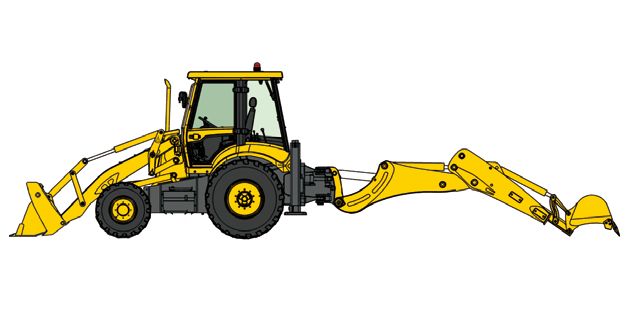
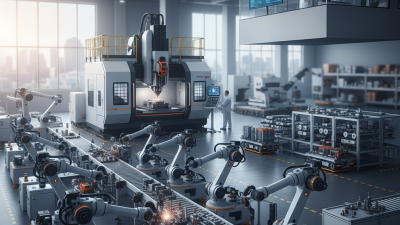
China’s heavy-equipment range covers earthmoving, lifting, roadwork, concrete placement, and mining. Excavators dig foundations and trenches; wheel loaders move gravel and soil across busy sites. Bulldozers push material, while graders and rollers prepare smooth, compacted road surfaces. Cranes lift steel and precast sections, and concrete pumps place wet concrete where truck access is limited. Mining operations also use large haul trucks and specialized loading equipment. The categories overlap in real fleets, which can make comparisons messy.

For scale, the China Construction Machinery Association reported 195,018 excavator sales in 2023, including 105,038 exports. That figure shows the importance of excavators, but sales alone do not prove which machine suits a project. Match machine size and attachments to ground conditions, travel distance, lifting requirements, and service access. A powerful machine can still be a poor fit on a narrow site. Check operating weight, rated capacity, fuel use, and parts availability in the equipment documentation.

Tips: On soft ground, compare track pressure and flotation; on paved sites, check tire condition and turning clearance. Ask for maintenance records and a practical inspection. Small details matter.

Leading Chinese Heavy Equipment Manufacturers

China’s leading heavy-equipment manufacturers cover excavators, wheel loaders, cranes, mining machines, and road-building equipment. Their strengths vary: some offer broad product ranges, while others focus on specialized machines or export support. Compare more than production capacity. Check component traceability, welding quality, hydraulic-system performance, parts availability, and documented testing procedures.

The National Bureau of Statistics reported that China’s equipment-manufacturing value added grew 6.8% in 2023, representing 33.6% of industrial value added. This signals a substantial industrial base, but it does not prove that every machine or factory meets a buyer’s requirements.

One uncomfortable detail: polished specifications can hide uneven after-sales support.

Tips

Match machine capacity to the actual site, not the biggest job in your forecast. Ask for a factory acceptance test, service intervals, and a written spare-parts plan. For an excavator, verify digging force and fuel use under comparable conditions. For a crane, review load charts and setup requirements. If possible, inspect a working machine and speak with a local technician. Small checks matter. A low purchase price may still bring costly delays if parts take weeks to arrive.

Comparing Machinery by Performance and Application

What Is the Best Heavy Equipment Machinery in China?

Comparing Machinery by Performance and Application

The best machine depends on the work, not its size or advertised power. An excavator suits trenching and foundation digging, where smooth control and reach matter. On a muddy site, track width and ground pressure can matter more than travel speed. Small differences become obvious after a long shift.

Wheel loaders move loose material quickly around stockpiles and loading areas. Their value depends on bucket capacity, turning space, and how often trucks arrive. For lifting heavy loads at height, a crane may be the better choice, but setup time and ground stability deserve close attention. There is no single winner.

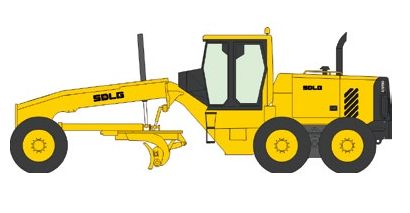
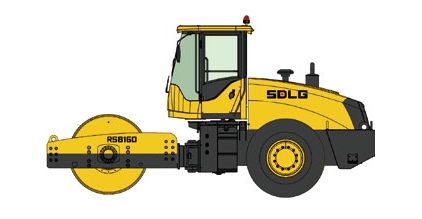
Bulldozers push soil across rough ground, while motor graders create more even surfaces. Road rollers compact prepared layers; the right drum and operating weight depend on the material. Compare fuel use, visibility, maintenance access, and parts availability alongside rated performance. Ask for machine records and inspect wear on pins, tracks, tires, and hydraulic hoses. A specification sheet cannot show every weakness. I would also want a short site trial, though busy projects do not always allow one. An operator’s feedback can reveal awkward controls or poor sightlines before those issues slow the crew.

Key Factors for Selecting Chinese Heavy Equipment

Choosing Chinese heavy equipment starts with jobsite conditions, not brochure horsepower. Check machine weight, ground pressure, working radius, and transport limits against your actual site. A crawler excavator on wet clay needs different traction and undercarriage protection than a wheeled unit on paved streets. Small mismatch, costly downtime.

Match the machine to its duty cycle. Record expected hours, load sizes, soil type, daily travel, and ambient temperatures. Compare rated capacity with the heaviest routine lift, while keeping a safe operating margin. Ask for fuel-use figures under comparable conditions, not a single ideal test. Inspect the hydraulic layout, filters, welds, access panels, and operator visibility. A few minutes in the cab can reveal awkward controls or poor sightlines. Specs rarely show that.

Support matters as much as purchase price. Confirm parts availability near your operating region, technician response times, warranty exclusions, and training options in writing. Request inspection records, serial-number documentation, and applicable conformity certificates for the destination market. Consider an independent pre-shipment inspection for a substantial order. Video is useful, but it cannot replace a hands-on check. I would budget for wear parts earlier than expected; that estimate may be too cautious, but waiting for a broken hose is worse. Ask equipment owners about repeat repairs, not just first impressions.