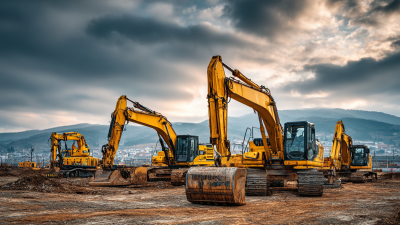
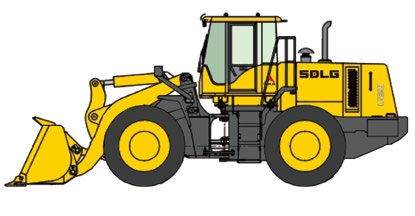
In today's rapidly evolving construction industry, choosing the right equipment is vital. Construction Machines play a crucial role in project efficiency and quality. Various buyers seek reliable and innovative solutions to meet their needs.
The landscape of construction has transformed significantly. New technologies and advancements have made machines more powerful and versatile. However, not every machine suits every project. Decisions can be challenging and require careful consideration.
Understanding the functionality and specifications of these machines is essential for global buyers. Each piece of equipment offers unique advantages and limitations. Knowing how to select the right Construction Machines can greatly influence project outcomes. Buyers must reflect on their specific requirements and the machines’ capabilities.
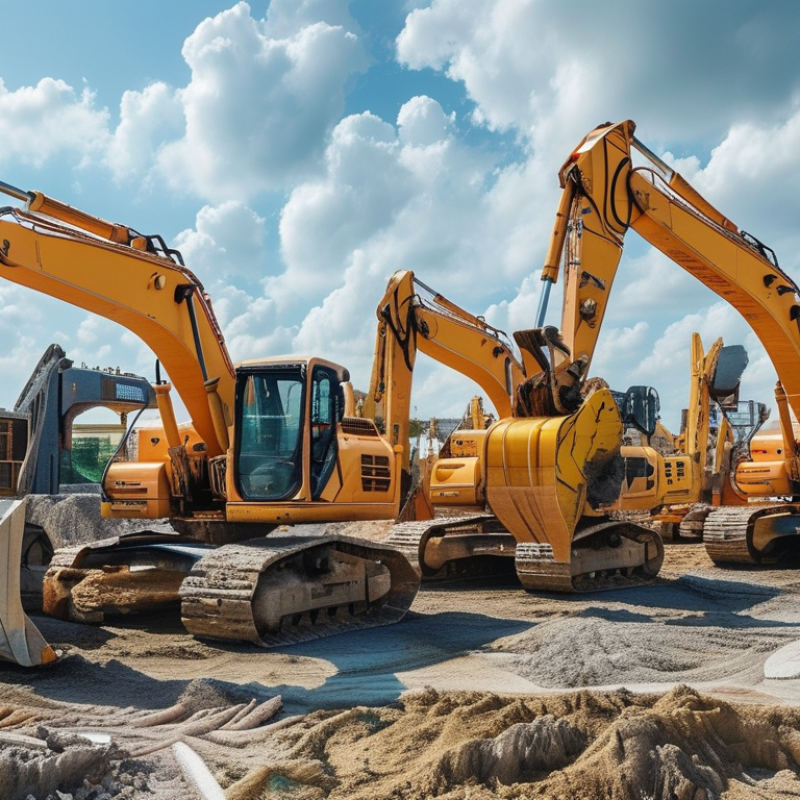
The global construction machinery market is experiencing significant growth, driven by urbanization and infrastructure development. According to a recent report by Grand View Research, the market is projected to reach $260 billion by 2025. This growth reflects the rising demand for efficient and advanced construction equipment in emerging economies.
In 2022, Asia Pacific dominated the market, accounting for over 45% of the total revenue. Countries like China and India are investing heavily in infrastructure projects. These investments include roads, bridges, and commercial buildings. The push for smart construction technologies also highlights a shift towards automation and sustainability. For instance, the use of drones and AI in surveying and project management is transforming traditional practices.
However, challenges remain. Many companies struggle with supply chain disruptions and increasing material costs. Labor shortages are also a pressing issue, affecting project timelines. As the industry evolves, adapting to these challenges while embracing innovation will be key. Stakeholders must remain agile to navigate this dynamic landscape effectively.
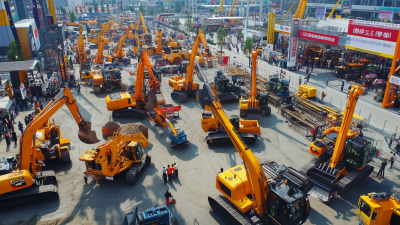
When selecting construction equipment, it's essential to focus on various key factors. One critical aspect is the machine's reliability. Equipment that frequently breaks down can lead to project delays and increased costs. Understand the maintenance requirements and check user reviews to assess reliability.
Another factor to consider is the machine's adaptability. Some construction tasks require specific functions. Ensure the equipment can handle the diverse demands of your projects. For example, the ability to switch between attachments can enhance versatility. Assess how well the machine operates in different environments and conditions.
Cost is a major consideration, too. While some may gravitate towards less expensive options, hidden costs can arise. These could include repairs, inefficiencies, or low resale value. Evaluate total ownership costs beyond the initial purchase price. Reflecting on these factors will help make an informed choice, ensuring that you invest wisely in the right machinery for your needs.
When it comes to construction machines, knowing what features and specifications make a standout model is crucial. Robust systems, like hydraulic lifts and articulated arms, enhance functionality. The balance between power and efficiency is vital in these machines. Many builders favor models with versatile attachments that adapt to various tasks.
Engine power often determines a machine's capability. However, fuel efficiency should not be overlooked. Some models might boast high horsepower yet consume more fuel. This balance requires careful consideration. Additionally, machine weight affects site mobility. Heavier machines can carry loads but may struggle on uneven terrains.
Operators should look for user-friendly controls. Moreover, maintenance is a critical aspect that can’t be ignored. Complex systems may lead to longer downtimes. Reliable machines often come with warranties that reflect their quality. Evaluating these features allows buyers to choose wisely, even if perfection is impossible. As new technologies emerge, staying informed is essential to make better purchasing decisions.
| Machine Type | Features | Specifications | Weight (kg) | Engine Power (HP) |
|---|---|---|---|---|
| Excavator | Hydraulic-powered, versatile, ideal for digging and lifting | Bucket Capacity: 0.5m³, Reach: 7m | 5000 | 120 |
| Bulldozer | Rugged, powerful, used for pushing earth and clearing land | Blade Width: 3.5m, Operating Weight: 7000kg | 7000 | 150 |
| Crane | Used for lifting heavy materials, with rotating and extending capabilities | Max Load: 10 tons, Height: 30m | 8000 | 180 |
| Concrete Mixer | Mixes concrete efficiently, portable and stationary options | Mixing Capacity: 300 liters | 700 | 30 |
| Loader | Used for loading materials, equipped with buckets or forks | Bucket Capacity: 1.2m³, Lift Height: 3m | 4000 | 100 |
| Forklift | Efficient for lifting and moving pallets, compact and versatile | Max Load: 2000kg, Lift Height: 4m | 3000 | 50 |
| Paver | Used for laying asphalt, adjustable screed width | Max Width: 4m, Output: 300 tons/hour | 6000 | 120 |
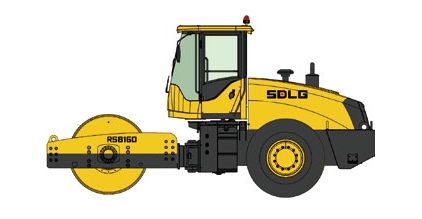
| Compact Roller | Used for compacting soil, asphalt, and gravel | Weight: 2000kg, Drum Width: 1.2m | 2000 | 20 |
| Telehandler | Versatile lifting capabilities with extendable arms | Max Lift Height: 6m, Load Capacity: 3500kg | 4500 | 75 |
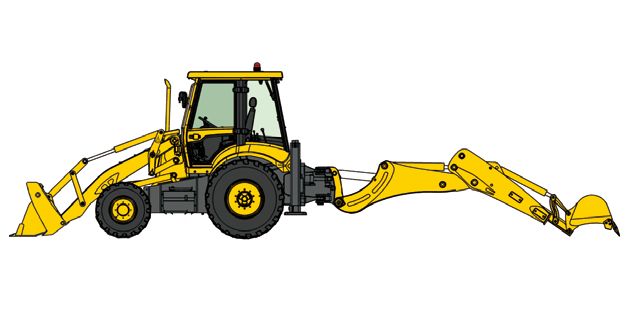
| Backhoe Loader | Combines a loader and backhoe for efficiency | Digging Depth: 4m, Loader Capacity: 1m³ | 6000 | 90 |
In the realm of construction equipment, a comparative analysis reveals the strengths and weaknesses of various brands. Different machines serve unique purposes, from excavators to bulldozers. Buyers need to evaluate key factors like efficiency, durability, and price before making a choice.
When assessing equipment, consider the intended use. Some machines excel in heavy-duty tasks, while others are better for precision work. It's essential to match the equipment's capabilities with project requirements. Maintenance is another critical factor; some machines require more upkeep than others.
Tips: Always research user reviews and industry reports. These resources can shed light on long-term performance and potential issues. Additionally, think about service support when selecting a brand. Availability of parts can affect downtime significantly. Balancing cost against durability is vital for making a wise investment.
Construction machinery is rapidly evolving. Advancements in technology are reshaping how machines are used on job sites. Automation and robotics play a key role in this transformation. Machines equipped with AI reduce human error. These innovations also enhance safety and productivity.
Sustainability is becoming a priority. More construction equipment focuses on energy efficiency and reduced emissions. Electric and hybrid machines are gaining traction. Buyers are seeking to lessen their environmental impact. However, this shift poses challenges. The initial costs of these machines can be high. There remains a need for better infrastructure to support electric equipment.
User-friendly interfaces are essential for modern machines. Intuitive controls make it easier for operators. Training programs are adapting to these changes. Yet, not all workers are comfortable with new technologies. Some prefer traditional methods. Recognizing this gap is crucial for the industry’s future. Embracing change while respecting existing skills is a delicate balance.