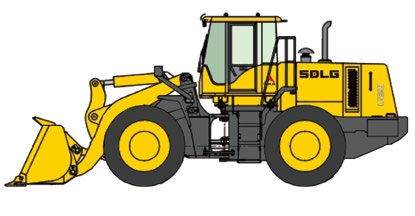
 Wheel Loader
  Excavator
 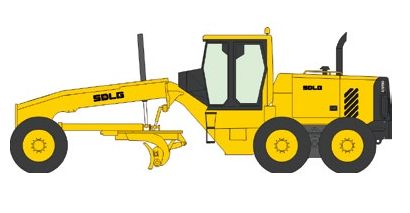 Motor Grader
 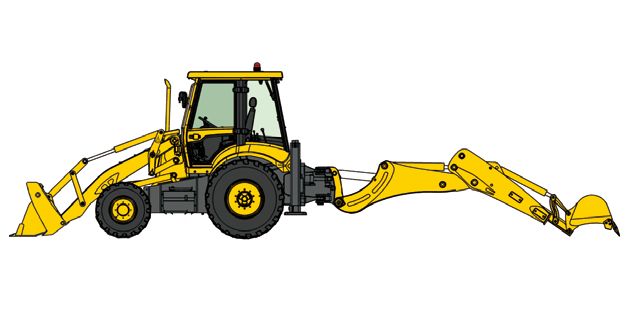 Backhoe Loader
 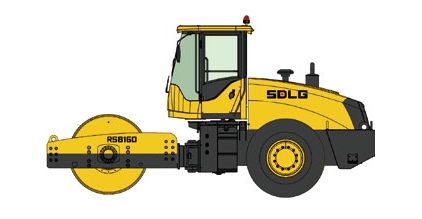 Road Roller
  Spare Parts
 Leave Your Message
Choosing the right Cat Equipment in 2026 requires more than comparing horsepower, prices, and glossy brochures. Global buyers need machines that fit local work conditions, available service networks, fuel quality, operator skills, and long-term ownership costs. A compact excavator may perform brilliantly on a European construction site, yet struggle with parts availability in a remote mining region. Details matter.
Jim Umpleby, Caterpillar chairman and chief executive officer, has said, “We are committed to helping our customers build a better, more sustainable world.” That principle gives this guide a practical direction. The best equipment should improve productivity while reducing unnecessary fuel use, downtime, and maintenance surprises. Telematics, certified inspections, warranty terms, attachment compatibility, and dealer response times deserve equal attention. Experience from real job sites often reveals more than a specification sheet.
This 2026 overview examines popular Cat Equipment categories for international buyers, including excavators, wheel loaders, dozers, backhoe loaders, and compact machines. It considers new and used purchasing decisions. It also highlights questions buyers sometimes overlook. Can local technicians service the engine? Are genuine parts consistently available? Does the machine suit the climate and terrain? No ranking is perfect. Market prices change. Regional support differs. Even a low-hour machine can hide costly neglect. Therefore, this guide combines manufacturer information, practical ownership factors, and careful buyer judgment. The final choice should always follow an independent inspection and verified supplier credentials. Worker safety, environmental responsibility, and applicable trade requirements remain essential. Small mistakes can become expensive ones.
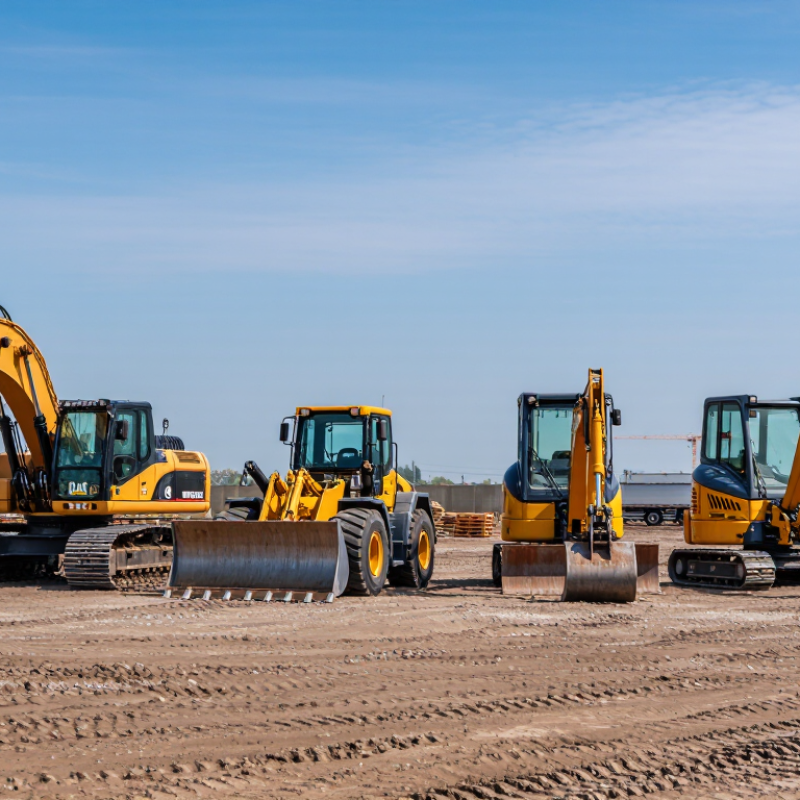
In 2026, the cat equipment market is shaped by infrastructure renewal, mining demand, urban expansion, and stricter emissions expectations. Global buyers are comparing excavators, wheel loaders, dozers, compact loaders, and material-handling units. The top choice depends on soil, climate, workload, and local service capacity. There is no universal winner. A 20-ton excavator may suit a road contractor, while a compact electric unit fits indoor renovation work. Quiet operation matters near hospitals and housing.
Market research should begin with duty cycles, not brochures. Record daily hours, average load, idle time, haul distance, and fuel access. In hot regions, cooling performance and dust protection can outweigh purchase price. In cold climates, battery range, hydraulic response, and starting reliability deserve careful testing. Buyers should request verified fuel-use data, warranty terms, parts lead times, operator training, and resale evidence. Telematics can reveal idle hours and maintenance alerts, but data quality varies. Some forecasts overstate electric adoption. Charging infrastructure remains uneven, especially at remote sites.
From an experienced procurement view, total cost deserves a five-year model. Include financing, tires or tracks, filters, energy, transport, compliance checks, and downtime. Local technicians can prevent small faults from becoming expensive delays. A pre-delivery inspection should examine leaks, welds, software records, attachments, and safety systems. Specifications can look impressive. Field performance may differ. Buyers should compare at least three machines under similar conditions and keep assumptions transparent. Test it properly.
Global buyer comparison of major heavy-equipment categories, operating ranges, applications, and 2026 procurement priorities
| Equipment Category | Typical Operating Weight | Typical Power Range | Typical Capacity or Working Range | Primary Global Applications | Main 2026 Buyer Priorities | Demand Outlook | Best Fit |
|---|---|---|---|---|---|---|---|
| Mini and Compact Excavators | 1.5–10 metric tons | 15–75 kW | Bucket capacity generally 0.04–0.45 m³; digging depth commonly 2.0–6.5 m | Urban utilities, residential construction, landscaping, road maintenance, drainage, and confined-site work | Low tail swing, transportability, attachment compatibility, low noise, and easy servicing | High | Urban and small contractors |
| Hydraulic Crawler Excavators | 10–90 metric tons | 70–550 kW | Bucket capacity generally 0.4–6.5 m³; digging depth may exceed 7 m | Bulk excavation, mining, infrastructure, quarrying, demolition, river work, and large site preparation | Fuel efficiency, hydraulic cycle time, lifting stability, undercarriage life, and remote diagnostics | High | Infrastructure and heavy earthmoving |
| Wheel Loaders | 5–35 metric tons | 70–400 kW | Bucket capacity generally 1.0–10.0 m³; payload commonly 2–20 metric tons | Quarries, aggregate yards, ports, waste handling, construction material loading, and stockpile management | Fuel consumption per loaded cycle, breakout force, visibility, tire life, and operator comfort | High | High-cycle loading operations |
| Bulldozers | 8–80 metric tons | 75–660 kW | Blade width commonly 2.5–6.5 m; blade capacity depends on blade type and material | Site grading, land reclamation, mining, road construction, forestry, and landfill operations | Traction, blade control, undercarriage durability, grade-control integration, and ground pressure | Medium–High | Rough terrain and sustained pushing |
| Articulated Dump Trucks | 25–75 metric tons | 200–650 kW | Payload commonly 20–60 metric tons; body volume generally 12–40 m³ | Overburden removal, mine development, major earthworks, dam construction, and off-road hauling | Payload efficiency, fuel burn per tonne-kilometre, drivetrain durability, tire cost, and slope performance | High | Uneven and soft job sites |
| Rigid-Frame Haul Trucks | 35–400+ metric tons | 350–3,000+ kW | Payload commonly 35–360+ metric tons; designed for fixed haul-road cycles | Open-pit mining, large quarries, and long-duration high-volume material transport | Payload availability, haul-road compatibility, tire management, braking systems, and fleet productivity | High in mining | Large, engineered haul roads |
| Motor Graders | 12–25 metric tons | 100–250 kW | Moldboard width commonly 3.0–4.9 m; grading depth depends on soil and blade angle | Road construction, final grading, drainage shaping, snow removal, and aggregate-road maintenance | Blade accuracy, steering response, grade-control readiness, moldboard durability, and visibility | Medium–High | Precision road finishing |
| Backhoe Loaders | 7–12 metric tons | 55–110 kW | Loader bucket commonly 0.7–1.2 m³; digging depth commonly 4–6 m | Utility installation, municipal maintenance, small road projects, agriculture, and general contracting | Multi-purpose attachments, roadability, hydraulic versatility, compact dimensions, and service accessibility | Medium–High | Multi-purpose field work |
| Telescopic Handlers | 5–15 metric tons | 55–150 kW | Rated lift capacity commonly 2.5–6.0 metric tons; lift height approximately 6–18 m | Building construction, agriculture, warehouse yards, precast handling, and industrial maintenance | Rated capacity at reach, attachment versatility, stability, road transport, and operator visibility | Medium–High | Material handling with reach |
| Asphalt Pavers | 5–25 metric tons | 50–250 kW | Paving width commonly 2.5–12 m; production depends on mix, width, and paving depth | Highways, urban roads, airport pavements, industrial yards, and resurfacing projects | Mat uniformity, screed heating, width flexibility, material-flow control, and operating reliability | High in road programs | Continuous paving projects |
| Single-Drum Soil Compactors | 7–25 metric tons | 75–220 kW | Drum width commonly 1.7–2.4 m; static linear load varies by machine size | Embankments, road bases, dams, landfill cells, and large earthwork projects | Compaction measurement, vibration control, drum performance, fuel use, and service support | High in infrastructure | Soil and granular materials |
| Electric and Hybrid Construction Equipment | Usually 1.5–30 metric tons for current mainstream applications | Power varies by machine; battery systems commonly support several hours per charge | Best suited to compact excavators, loaders, utility equipment, and selected site machines | Urban construction, indoor work, low-emission zones, noise-sensitive projects, and municipal fleets | Charging infrastructure, duty-cycle suitability, battery warranty, residual value, and total operating cost | Fast-growing | Short-cycle and regulated sites |