Top Excavation Equipment from China for Global Buyers?
In the dynamic world of construction, excavation equipment plays a pivotal role. As global demand increases, many buyers turn their attention to China for quality solutions. According to Dr. Wang Li, a leading expert in construction technology, “China has become a key player in producing innovative excavation equipment.” His insight highlights the shift towards Chinese machinery in international markets.
The excavation equipment sector is defined by its advancements. Chinese manufacturers are known for combining affordability with high performance. This balance appeals to construction firms looking to optimize costs without compromising quality. However, not all products meet the expected standards. Buyers may face challenges in distinguishing between superior and subpar equipment.
A focus on reliability and functionality is essential when selecting excavation equipment. Potential buyers should evaluate manufacturers carefully. Despite China's reputation, caution is necessary. Some brands may not provide adequate support or durability. Understanding both the strengths and limitations of the options available can guide buyers in making informed decisions.
Top Chinese Excavation Equipment Manufacturers and Their Market Share
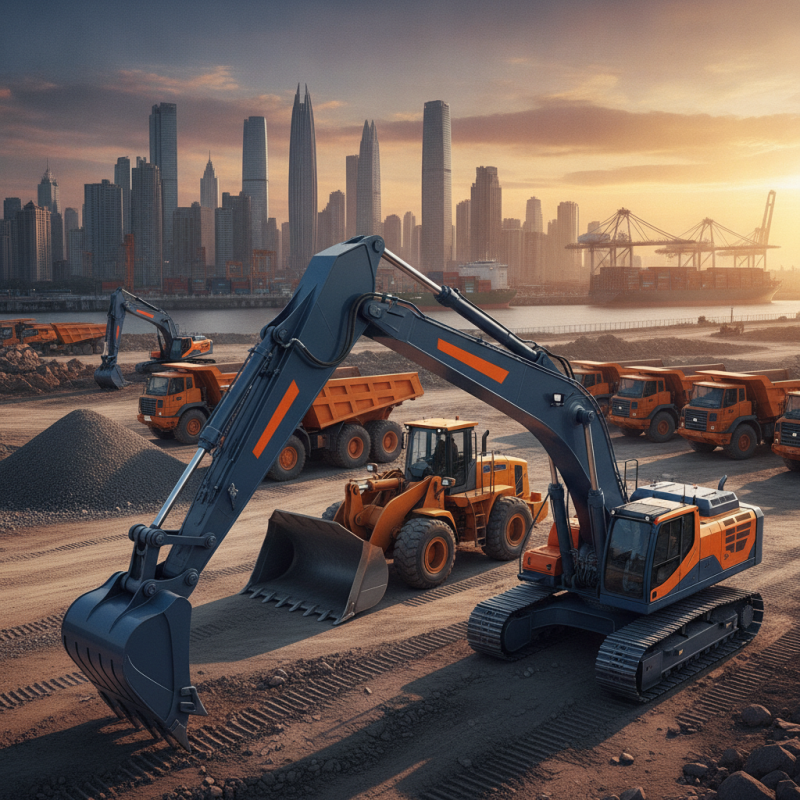
In recent years, China's excavation equipment market has experienced significant growth. A report from a leading industry analysis firm indicates that Chinese manufacturers now hold nearly 35% of the global market share. This share is fueled by aggressive pricing and technological advancements. Many Chinese companies have implemented innovative features in excavation machines. These features enhance efficiency and reduce operational costs.
The competition is intense among the top manufacturers. With over 1,500 registered companies in the excavation sector, the landscape is bustling. Data reveals that equipment types, such as excavators, have seen a steady increase in exports, particularly to Southeast Asia and Africa. However, a common challenge persists: ensuring adherence to international quality standards. Some Chinese manufacturers have struggled with this issue, impacting their credibility in foreign markets.
Moreover, market analysts emphasize the importance of after-sales service. Buyers look for reliable support and spare parts. As competition grows, some companies fail to provide adequate service, harming their reputation. This aspect requires reflection from manufacturers keen on global expansion. The journey toward becoming trusted suppliers is ongoing. Manufacturers must continually adapt to ever-changing market demands.
Top Excavation Equipment Market Share by Category
Key Features and Innovations in Chinese Excavation Machinery
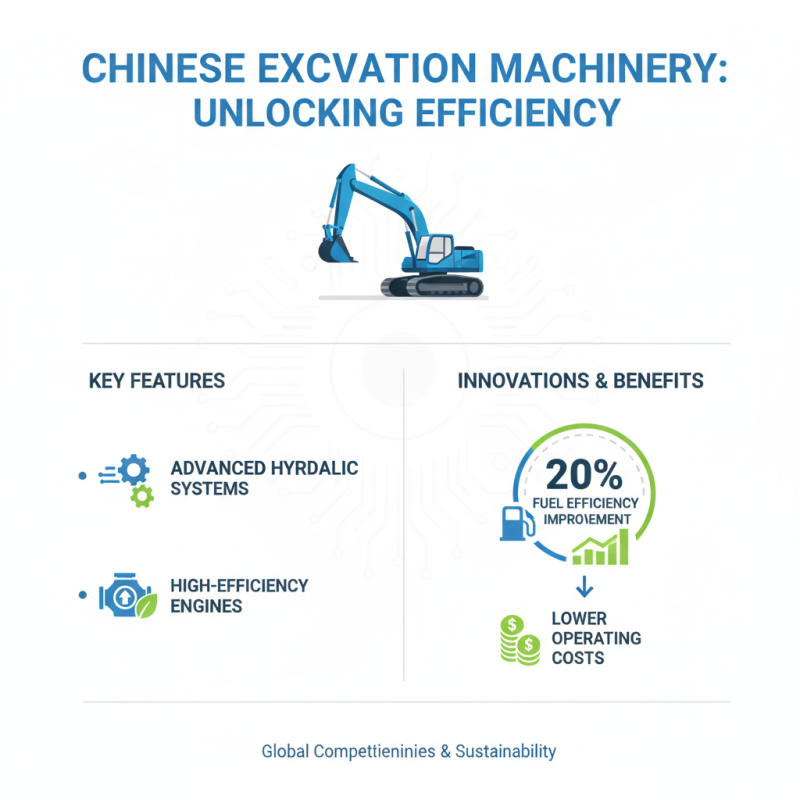
Chinese excavation machinery has made significant strides in recent years. Key features include advanced hydraulic systems and high-efficiency engines. These innovations improve performance while reducing fuel consumption. According to industry reports, Chinese excavators can achieve up to 20% better fuel efficiency than their competitors. This makes them attractive for global buyers concerned about operating costs.
Moreover, many Chinese manufacturers are focusing on smart technology. Integration of IoT solutions allows for real-time monitoring and predictive maintenance. This can lead to reduced downtime and lower repair costs. In fact, a recent survey showed that over 70% of construction companies see a value in connected machinery. Yet, there remains room for improvement in user interface design and software usability.
While the machinery is becoming more robust, there are still challenges. Quality control can vary significantly between manufacturers. Buyers must be diligent in their research. Reports indicate that up to 30% of imported machinery may not meet local standards. This emphasizes the need for thorough inspections before purchase. Understanding these dynamics can help buyers navigate the complexities of the global market effectively.
Global Demand Trends for Excavation Equipment: A Focus on Chinese Exports
Global demand for excavation equipment is influenced by various factors. According to a recent report by Grand View Research, the global market size for this equipment is projected to reach $62.8 billion by 2025. China plays a crucial role in this growth. The country's manufacturing capabilities allow it to export a significant portion of excavators, backhoes, and trenchers.
In 2022, Chinese excavation equipment exports were valued at over $7 billion, a 15% increase from the previous year. This rise aligns with the global construction boom. However, challenges remain. Quality control and product standards differ across markets, leading to concerns about equipment longevity. Additionally, navigating international regulations can be complex.
Emerging markets show a growing interest in Chinese brands. They offer affordable solutions with advanced technology. Nevertheless, many buyers worry about after-sales support. Trust in a product goes beyond the purchase price. A focus on improving customer service could enhance China's reputation in the global arena. Failure to address these issues may hinder long-term growth.
Evaluating the Performance and Reliability of Chinese Excavation Equipment
When evaluating Chinese excavation equipment, performance and reliability stand out as key factors. Many global buyers have noticed that equipment from China can offer robust performance. Users often report that these machines can handle tough terrain and heavy workloads. However, some challenges may arise regarding long-term reliability. Potential buyers need to conduct thorough research before making a purchase.
Quality control practices vary widely among manufacturers. Some companies employ rigorous testing procedures. Others might overlook these crucial steps. This inconsistency can impact performance over time. Field tests reveal that certain models excel in specific conditions but struggle elsewhere. Understanding these nuances is vital for making informed decisions.
Additionally, maintenance is an essential aspect of ensuring equipment longevity. Buyers often find that some models require more frequent upkeep. This can affect operational costs in the long run. Users should consider not only the initial investment but also the total cost of ownership. Learning from real-world experiences can help buyers choose equipment that meets their needs effectively.
Top Excavation Equipment from China for Global Buyers
| Equipment Type |
Weight (Tons) |
Engine Power (HP) |
Digging Depth (m) |
Operating Radius (m) |
Fuel Efficiency (L/h) |
| Excavator |
20 |
150 |
6 |
8 |
10 |
| Mini Excavator |
5 |
40 |
3 |
5 |
4 |
| Long Reach Excavator |
35 |
200 |
10 |
12 |
15 |
| Hydraulic Excavator |
30 |
180 |
8 |
9 |
12 |
| Crawler Excavator |
25 |
160 |
7 |
10 |
11 |
Regulatory Standards Affecting the Export of Chinese Excavation Machinery
When considering the global market for excavation equipment, compliance with regulatory standards is crucial. Different countries enforce various regulations for exporting machinery. These regulations often focus on safety, environmental impact, and operational efficiency. They may encompass emissions standards, noise control, and worker safety measures. Exporters from China must navigate these complex rules to ensure their products meet the import requirements of other nations.
Throughout the export process, manufacturers must keep up with changing regulations. Inconsistent standards can lead to delays, additional costs, or even rejected shipments. For instance, a lack of adherence to environmental guidelines can restrict entry into numerous markets. Understanding and responding to regulatory changes requires diligence and expertise from manufacturers.
Despite proactive measures, companies sometimes face setbacks that prompt reflection on their compliance strategies. It is essential for buyers to partner with knowledgeable suppliers familiar with these standards to ensure smooth transactions.
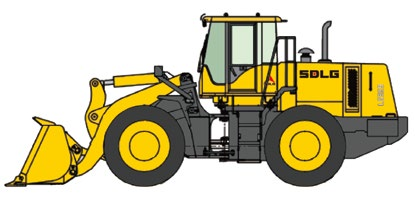 Wheel Loader
 Excavator
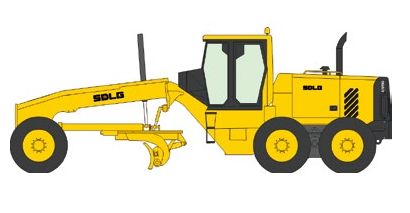 Motor Grader
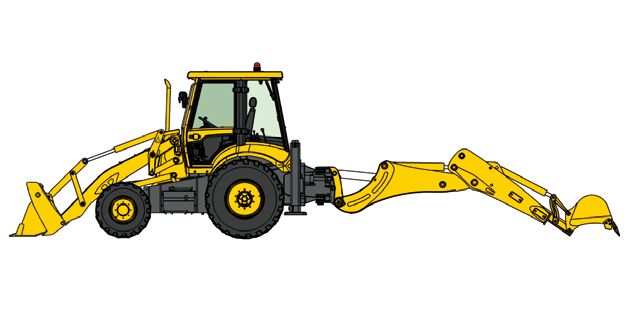 Backhoe Loader
 Road Roller
 Spare Parts