Essential Tips for Choosing the Right Construction Trucks?
When it comes to selecting construction trucks, the right choice can significantly impact project outcomes. According to industry data, nearly 60% of construction projects exceed their budgets due to improper equipment selection. Construction trucks play a vital role in project efficiency and safety. Selecting the wrong type can lead to delays and increased costs.
Construction trucks must be evaluated based on factors such as load capacity, durability, and operational efficiency. An effective truck should handle site conditions well. However, many buyers focus solely on price, neglecting critical specifications. This can result in poor performance and higher maintenance costs over time. Buyers must research and compare models thoroughly.
Additionally, understanding the specific needs of a project is crucial. Construction trucks must match the terrain and materials handled. Many contractors still overlook this aspect, leading to regrettable consequences. In the end, choosing the right construction truck involves careful consideration and informed decisions. The right truck can enhance productivity and reduce long-term expenses.
Importance of Assessing Load Capacity in Construction Trucks
When choosing construction trucks, assessing load capacity is crucial. The ability of a truck to carry heavy loads directly impacts productivity and safety on job sites. According to industry reports, an estimated 30% of construction delays stem from inadequate hauling capacity. Trucks that cannot handle the specified load can lead to equipment failure, accidents, and increased operational costs.
A construction truck must be matched to the specific requirements of the tasks at hand. Many project managers overlook the details. They may select a truck based solely on size rather than intended use. For example, a truck designed for light-duty projects may struggle with heavy aggregates. This mismatch not only reduces efficiency but also can jeopardize safety. Load capacity needs to be clearly understood.
The construction industry recommends a margin of 20% above the required load when selecting trucks. This strategy allows for unexpected weight and additional equipment. Choosing the right truck ensures that projects run smoothly. Yet, many businesses ignore this guideline, leading to costly mistakes. Reflecting on past failures can guide better choices in the future. Balancing load capacity with practical application is key to operational success.
Essential Tips for Choosing the Right Construction Trucks
When selecting construction trucks, assessing load capacity is crucial. This chart demonstrates the load capacities of various types of construction trucks commonly used in the industry. Understanding their capabilities helps in making informed decisions based on project needs.
Factors Influencing Fuel Efficiency in Construction Truck Selection
When selecting construction trucks, fuel efficiency is a critical factor. Reports indicate that fuel costs can account for up to 30% of overall operating expenses. Choosing trucks with better fuel efficiency can significantly reduce these costs. For instance, trucks equipped with modern engines often provide improved mileage compared to older models. A truck that achieves 8 miles per gallon versus one that reaches 12 can save hundreds of dollars each week.
Weight plays a key role in fuel consumption. Heavy trucks may excel at hauling, but they consume more fuel. Reducing weight through proper materials can improve fuel economy. Additionally, the truck's aerodynamics impact fuel efficiency. Trucks designed with streamlined bodies usually face less wind resistance, which enhances fuel savings. It's essential to consider how various configurations might affect operational expenses.
Regular maintenance also influences fuel efficiency. A poorly maintained truck can waste fuel due to engine problems or tire issues. Fleet managers must prioritize routine checks to keep vehicles in optimal condition. However, some overlook this crucial step, leading to increased fuel consumption. Investing in fuel-efficient technology can be beneficial, but the human factor often determines overall performance. Balancing technology with proper management is vital for maximizing fuel efficiency.
Understanding Regulations and Compliance for Construction Vehicles
When selecting construction trucks, understanding regulations and compliance is crucial. Construction vehicles must meet specific legal requirements. For example, the Federal Motor Carrier Safety Administration (FMCSA) enforces regulations for commercial vehicles in the U.S. According to a report by the National Highway Traffic Safety Administration (NHTSA), over 100,000 crashes involve commercial trucks annually. Compliance with safety standards reduces accidents.
Tips for checking compliance include verifying the truck's weight limits and inspecting for required safety features. Documents like the vehicle compliance certificate ensure trucks meet federal and state regulations. Failing to comply can lead to fines and increased insurance rates.
It's essential to stay informed about evolving regulations. Certain regions may have stricter emissions standards. Neglecting these can affect project timelines. Keeping up with local laws can seem daunting, but it’s necessary for smooth operations. Designate a team member to monitor regulatory changes related to construction vehicles. This proactive approach could save money and time in the long run.
Essential Tips for Choosing the Right Construction Trucks
| Aspect |
Considerations |
Regulatory Compliance |
Typical Use Cases |
| Vehicle Type |
Choose between dump trucks, flatbeds, or crane trucks based on needs. |
Ensure the vehicle complies with local weight regulations. |
Transporting heavy materials, site preparation. |
| Engine Power |
Select proper horsepower for the terrain and load. |
Check emissions standards for your region. |
Heavy hauling in rugged environments. |
| Safety Features |
Look for backup cameras, anti-lock brakes, and rollover protection. |
Verify adherence to safety regulations and certifications. |
Operations in construction zones. |
| Load Capacity |
Determine the maximum load requirements for tasks. |
Confirm that the capacity meets legal standards. |
Concrete, sand, and aggregate transport. |
| Operational Cost |
Consider fuel efficiency and maintenance costs. |
Assess cost in relation to regulatory fees. |
Long-term budgeting for projects. |
The Role of Terrain and Weather Conditions in Truck Performance Choices
When choosing construction trucks, terrain and weather conditions play a crucial role. Different trucks perform better in varied environments. For instance, rugged terrain may need trucks with enhanced suspension systems. These systems help absorb shock and provide stability. In contrast, flat surfaces allow for lighter models.
Weather conditions also significantly influence vehicle selection. Heavy rain or snow requires trucks with better traction. Such trucks might feature specialized tires designed for grip. Driving in cold weather poses different challenges. Trucks need to be equipped with heating systems to ensure efficient operation.
Sometimes, decisions become complicated. A truck may excel in one area but falter in another. Evaluating specific site conditions can be challenging. It’s easy to overlook minor details that lead to major setbacks. The choice isn't always straightforward, and each project may bring its own unique requirements. This can lead to unwelcome surprises on the job site.

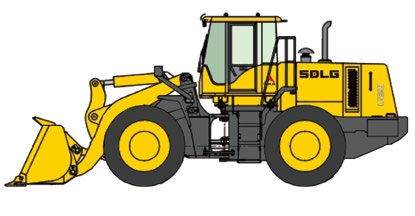 Wheel Loader
  Excavator
 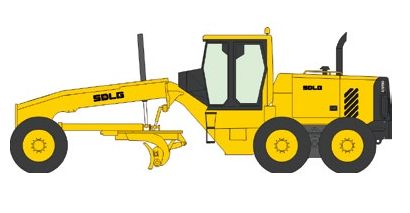 Motor Grader
 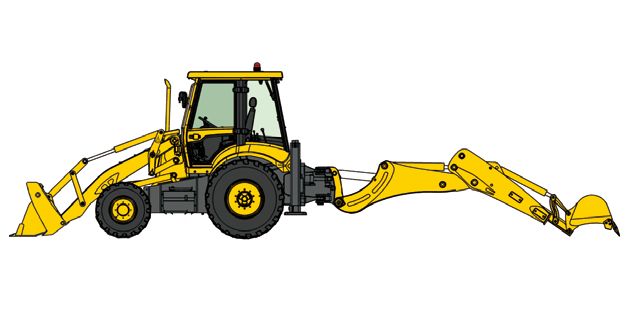 Backhoe Loader
 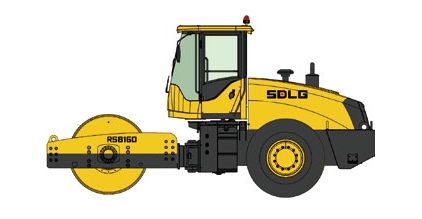 Road Roller
 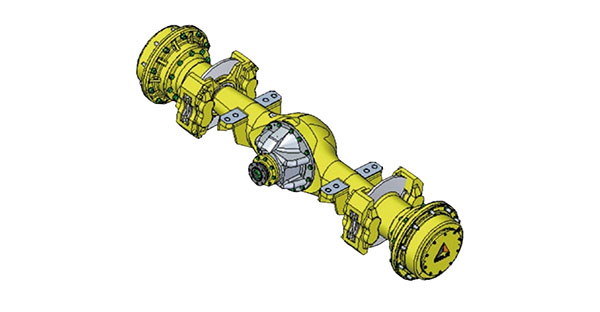 Spare Parts