Leave Your Message

What Is a Machinery Line and How Does It Work?

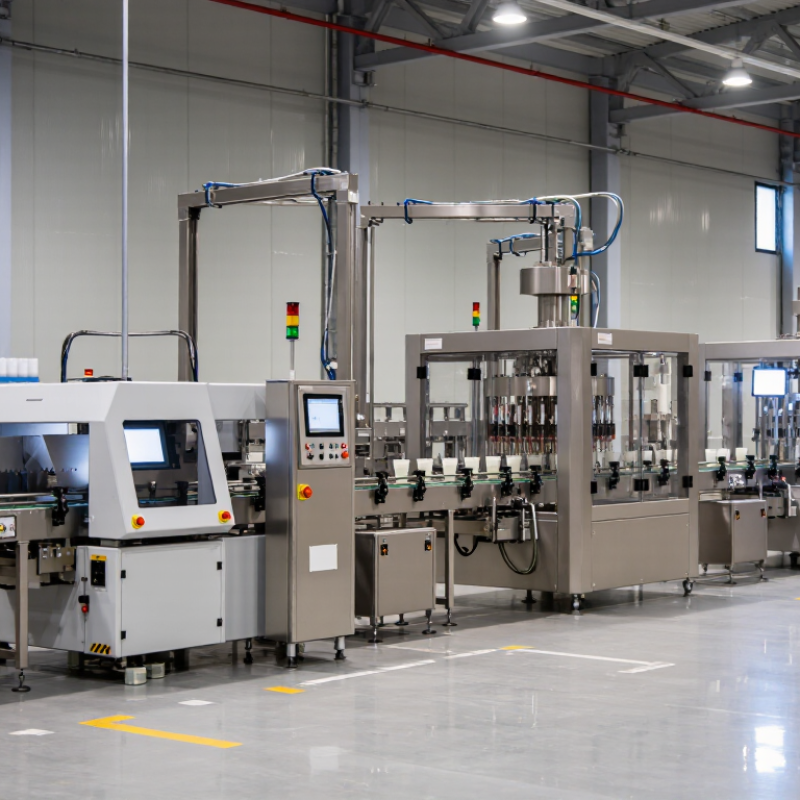
A Machinery Line is a connected sequence of machines and workstations that turns materials into finished products. Each station performs a defined task, such as cutting, filling, assembling, or inspecting. Conveyors, sensors, and control systems help move items between steps and keep the process coordinated. Picture a row of containers passing beneath a filler, then a capper, and finally a label applicator. That simple flow captures the basic idea.

How does the line work in practice? Materials enter at one end, and products move through operations in a planned order. Operators monitor equipment, adjust settings, and respond when a sensor detects a jam or a product falls outside specifications. The control system may coordinate speed and timing, but people still make important decisions. Small details matter. A worn belt or poorly positioned sensor can slow the entire line, even when the other machines work correctly.

The exact setup depends on the product, production volume, available space, and required quality checks. Some lines run continuously; others pause between batches or rely on manual handling. There is no single design that fits every factory. Understanding the components and their relationships makes it easier to evaluate efficiency, maintenance needs, and potential bottlenecks. Real lines are rarely as smooth as diagrams suggest. That gap is worth examining, especially when planning improvements.
What Is a Machinery Line and How Does It Work?

Definition and Purpose of a Machinery Line

A machinery line is a connected arrangement of equipment that turns materials or parts into a finished product.

Each machine performs a defined task, such as cutting, filling, assembling, or inspecting. Conveyors, chutes, or guided carts move items between stations. The line may be manual, automated, or a mix of both. Its layout depends on the product, production volume, available floor space, and required quality checks. One station’s output becomes the next station’s input. Small pauses matter.

The purpose is to coordinate repeated tasks and keep products moving at a predictable pace. A well-planned line can reduce unnecessary lifting and handoffs, improve consistency, and make delays easier to locate.

For example, if a packing station runs slower than an upstream machine, items may collect on the conveyor. Operators can see the buildup and adjust the pace or staffing. Sensors and control systems may monitor counts, temperatures, or machine status, but they do not replace routine inspection.

A machinery line is not automatically efficient. Poorly matched equipment can create bottlenecks, waste space, or make maintenance awkward. Even a useful layout may need revision after real production exposes problems that a drawing missed.
Core Components and Their Roles

A machinery line is a connected sequence of equipment that moves materials through defined operations. Its frame supports the machines and keeps stations aligned. Conveyors, rollers, or guided carts carry parts between work areas. The right transfer method depends on part size, weight, and production pace. Small details matter. A loose guide rail can cause parts to drift before they reach a station.

Processing stations perform tasks such as cutting, forming, filling, or inspection. Motors and drives control movement, while sensors detect part position, jams, or missing components. A control system coordinates these signals and adjusts machine actions. Operators use it to monitor cycle times and respond to faults. Guarding and emergency stops help reduce exposure to moving equipment, but they do not replace training or maintenance. A line may look efficient on paper and still lose time during changeovers. That is easy to overlook. Regular checks of belts, sensors, and fixtures can reveal wear before it causes inconsistent output. The best setup is not always the fastest one; stable flow and clear access for troubleshooting often matter just as much.

How Materials Move Through the Line

A machinery line moves materials through linked stations, not by magic. A feeder releases each part onto a conveyor, where guides keep it aligned and sensors check its position. At the next station, a robot or operator performs an operation, then the part moves onward. Buffers between stations hold a small queue when one process runs slower than another. Timing matters. If a sensor misses a part, the line may pause or send it to the wrong station. In practice, small details—belt speed, part spacing, and clear access for maintenance—shape whether materials flow smoothly.

Automation can help coordinate these handoffs, but it does not remove the need for careful layout. The International Federation of Robotics’ World Robotics 2024 report counted 4,281,585 industrial robots operating worldwide in 2023, up 10% from the previous year. That figure shows the scale of industrial automation, though it does not mean every line uses robots to move parts. MHI’s 2024 Annual Industry Report found that 55% of surveyed supply-chain professionals planned to increase technology investment. For a machinery line, useful choices may include sensors, conveyors, or automated guided vehicles. More equipment is not always better. A poorly placed transfer point can create jams, and a design that works on paper may still need adjustment after operators see real parts moving.

What Is a Machinery Line and How Does It Work?

How materials move through a production line

Materials typically move from feeding and cutting through forming, assembly, inspection, and packaging. This illustrative example compares processing time for a batch of 100 units; actual times vary by material, equipment, and setup. The slowest stage can become the line’s bottleneck.

How Machinery Lines Are Controlled and Monitored

A machinery line links stations that perform tasks such as feeding, cutting, assembling, and inspecting parts. Its control system coordinates their timing so one slow station does not immediately stop the entire process. Sensors check details such as part position, motor temperature, and belt speed. A programmable controller uses these signals to start equipment, adjust speeds, or pause a station. Operators set approved operating limits and can change settings when materials or production needs shift. Small changes matter.

Monitoring gives operators a live view of the line. A control screen may show station status, output counts, cycle times, and active alarms. If a photoelectric sensor misses a part, the system can flag a delay before parts pile up. Trend records help teams spot recurring stoppages or rising motor temperatures. Yet numbers need context. A dashboard can look calm while a belt slips intermittently, and a faulty sensor can trigger unnecessary stops. Operators should check the machine itself, confirm the signal, and record what they find. I would not treat automation as a substitute for judgment. Regular checks, clear alarm procedures, and careful review of production data make control more dependable.

Common Types and Industrial Applications of Machinery Lines

A machinery line is a group of connected machines that moves materials through a set sequence of operations. Each station performs a task, such as cutting, shaping, assembling, inspecting, or packing. Conveyors or automated transfer systems move items between stations, while sensors and controls help coordinate timing. The design depends on product size, production volume, and the level of automation required.

Common types include assembly lines, machining lines, packaging lines, and continuous-process lines.

Assembly lines are widely used for appliances and vehicle components, where parts are joined in repeatable steps.

Machining lines shape metal or plastic parts using operations such as drilling and milling.

Packaging lines fill, seal, label, and sort products in food, beverage, and household-goods facilities.

Continuous-process lines handle materials such as paper, chemicals, or processed food, with production flowing through connected stages.

Small details matter. A poorly placed sensor or awkward handoff can slow the whole line. Even a well-designed system may need adjustment after operators see how products behave during a real shift.

Tips: Match line speed to the slowest station, and leave clear access for cleaning and maintenance. Track stoppages by cause; the first explanation is not always the right one.