Top Heavy Equipment Types for Construction and Their Key Features
In the ever-evolving world of construction, the role of heavy equipment remains pivotal to the efficiency and success of projects. As industry expert John Smith emphasizes, “The right heavy equipment makes all the difference in how smoothly a construction project runs.” Understanding the various types of heavy equipment and their key features is essential for construction professionals aiming to maximize productivity and safety on-site.
Heavy equipment encompasses a wide range of machinery, each designed for specific tasks within the construction sector. From excavators and bulldozers to cranes and backhoes, these machines are engineered to handle the rigorous demands of construction, enabling workers to complete complex tasks with precision. With the advancements in technology, modern heavy equipment is now equipped with features that enhance functionality, such as automated systems and improved fuel efficiency, making them indispensable assets on any job site.
As we delve into the top heavy equipment types used in construction, we will explore their individual features and capabilities. This comprehensive overview will not only highlight their strengths but also provide insights into how they contribute to the overall success of construction projects, reinforcing the importance of selection when it comes to heavy equipment in the industry.

Overview of Heavy Equipment Types Used in Construction
Heavy equipment is a crucial component of modern construction projects, facilitating a range of tasks from excavation to building. The primary types of heavy equipment used in construction include excavators, bulldozers, loaders, and cranes. Excavators, known for their versatility, can dig, lift, and move materials, making them essential for site preparation and trenching. According to the Construction Equipment Market Report by ResearchAndMarkets, the global excavator market is projected to grow significantly, driven by urbanization and an increase in infrastructure development.
Bulldozers play a vital role in grading and pushing large quantities of soil or debris. Their robust structure enables them to operate on rugged terrains, and advancements in technology, such as GPS integration, have enhanced their efficiency and precision. Meanwhile, loaders, particularly wheel loaders and skid-steer loaders, are integral for transporting materials across a construction site, contributing to productivity by streamlining the movement of waste and supplies. The market for loaders is expected to expand, with the increasing demand for construction activities in emerging economies.
Cranes are indispensable for lifting heavy materials to considerable heights, allowing for the assembly of structures with multiple stories. These machines, equipped with advanced safety features and automation technologies, mitigate risks associated with heavy lifting operations. The projected growth of the global crane market, as noted in a report by Allied Market Research, is attributed to the rise in high-rise construction projects and the need for efficient material handling in the construction sector.
Top Heavy Equipment Types for Construction and Their Key Features
| Equipment Type |
Key Features |
Common Uses |
| Excavator |
High digging depth, versatile attachments |
Site preparation, trenching, material handling |
| Bulldozer |
Powerful blade for pushing material, robust design |
Land clearing, grading, road construction |
| Loader |
Large bucket for material loading, quick cycle times |
Loading materials, transporting soil, construction sites |
| Crane |
High lifting capacity, flexible boom positioning |
Lifting and moving heavy loads, construction of tall buildings |
| Forklift |
Compact design, excellent maneuverability |
Material handling, warehouse operations, construction sites |
| Paver |
Precision material placement, adjustable screed |
Road construction, asphalt laying, surface finishing |
Excavators: Versatile Machines for Digging and Material Handling
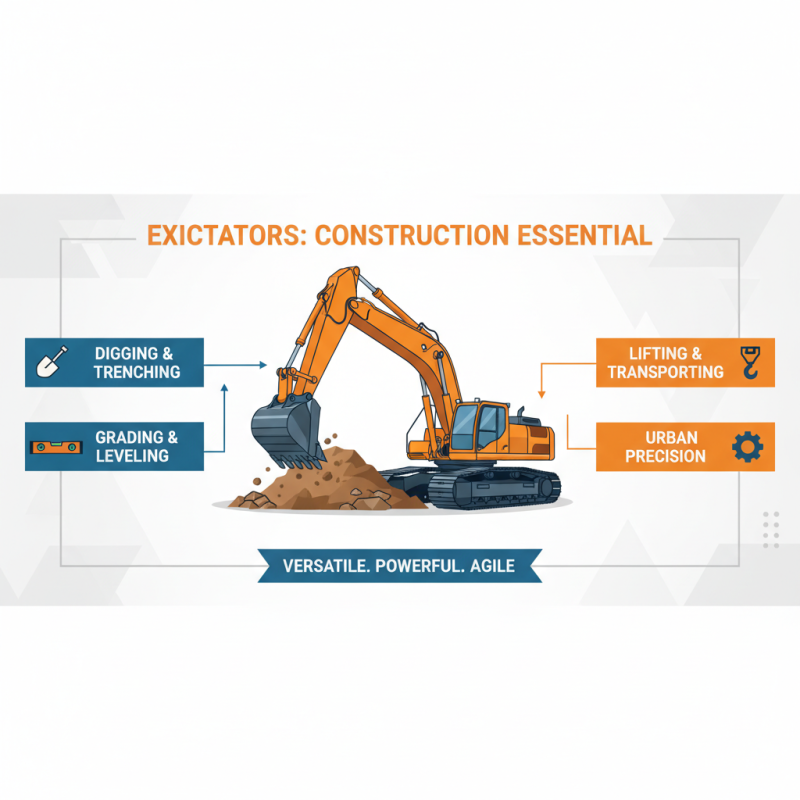
Excavators are essential heavy equipment in the construction industry, renowned for their versatility in digging and material handling. These powerful machines are equipped with a bucket attached to a rotating arm, allowing them to perform a wide array of tasks, from trenching and grading to lifting and transporting materials. The unique design of excavators enables them to maneuver in tight spaces, making them ideal for urban construction sites and projects where precision is key.
In addition to their digging capabilities, excavators also come with various attachments that enhance their functionality. These include hydraulic hammers, grapples, and augers, which facilitate tasks such as demolition, material sorting, and drilling. This adaptability makes excavators invaluable to contractors looking to maximize efficiency and versatility on site. Their ability to quickly switch between tasks contributes to smoother workflow and productivity, solidifying their status as a cornerstone of modern construction operations. With advancements in technology, excavators continue to evolve, integrating features such as advanced controls and automation, further enhancing their role in transforming construction methodologies.
Bulldozers: Powerhouse for Earthmoving and Site Preparation
Bulldozers are often considered the powerhouse of construction equipment, primarily used for earthmoving and site preparation tasks. Their robust design and high horsepower make them ideal for pushing large volumes of soil, gravel, and debris. Equipped with a wide, flat blade at the front, bulldozers can efficiently level and grade land, clear debris, and even perform fine grading, making them essential for preparing construction sites. The versatility of bulldozers also allows them to perform various tasks, such as backfilling, compaction, and road construction.
When operating a bulldozer, it’s crucial to understand the various attachments that can enhance productivity. For instance, adding a ripper can help break up hard soil or rock, making it easier to move materials. Additionally, operators should familiarize themselves with the hydraulic systems, as these can significantly affect the machine's performance. Always remember to conduct routine maintenance checks to keep the bulldozer in top condition, ensuring optimal safety and efficiency on the job site.
**Tips:** When working with bulldozers, always be cautious of your surroundings and maintain a safe distance from personnel. Ensure that all operators are adequately trained and that they understand the machine’s controls and safety features. Moreover, consider using GPS technology for more precise grading and site preparation, which can ultimately save time and reduce material waste.
Top Heavy Equipment Types for Construction
This chart illustrates the power output (in horsepower) of various types of heavy equipment commonly used in construction. Bulldozers lead the group with the highest power, making them essential for earthmoving and site preparation.
Cranes: Essential Equipment for Lifting Heavy Loads
Cranes are indispensable machines in the construction industry, specifically designed for lifting and moving heavy loads that are beyond human capability. Their ability to hoist materials to great heights makes them crucial on any construction site, whether it’s for erecting new structures, renovating existing ones, or transporting materials across challenging terrain. Cranes come in various types, including tower cranes, mobile cranes, and crawler cranes, each engineered to handle different weight capacities and site conditions.
One of the key features that distinguish cranes is their load capacity, which can range from small mobile cranes lifting several tons to large tower cranes designed for massive constructions. Additionally, their design often includes rotating booms that extend and retract, giving operators the versatility to access hard-to-reach areas. Safety features, such as limit switches and load indicators, ensure that cranes operate within their weight limits, reducing the risk of accidents on site. The integration of advanced technology in modern cranes, such as remote controls and automated systems, further enhances their efficiency and safety, making them an essential asset in the construction landscape.
Loaders: Efficient Tools for Material Transportation and Loading
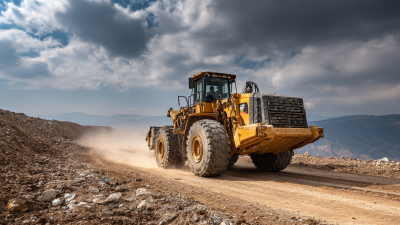
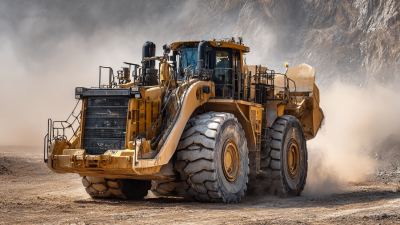
Loaders are essential tools in the construction industry, specifically designed for the efficient transportation and loading of materials. Their versatility allows operators to handle a variety of tasks, from moving dirt and gravel to stacking pallets of materials. According to a report by the International Data Corporation, the global construction equipment market is projected to reach $250 billion by 2026, with loaders being a significant contributor to this growth due to their indispensable role in project efficiency.
The key features of loaders include their strong lifting capabilities, maneuverability, and various attachment options. With lifting capacities that can exceed 10,000 pounds, loaders can quickly handle large volumes of material, reducing downtime on construction sites. Additionally, their compact design allows them to navigate tight spaces, making them ideal for urban construction projects. A survey by the Equipment Leasing and Finance Association highlights that 75% of respondents consider loaders vital to their operational productivity.
Tip: When selecting a loader for your project, consider the size and type of materials you will be moving. Opt for models with adaptability for various attachments, which can enhance functionality and save costs by reducing the need for multiple machines.
Tip: Regular maintenance is key to a loader’s performance and longevity. Create a maintenance schedule that includes routine checks of hydraulic systems and tire pressures to avoid costly breakdowns during critical project phases.

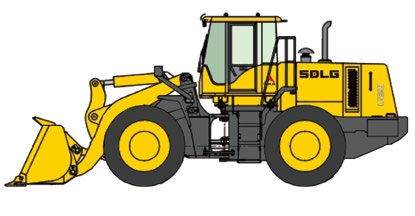 Wheel Loader
  Excavator
 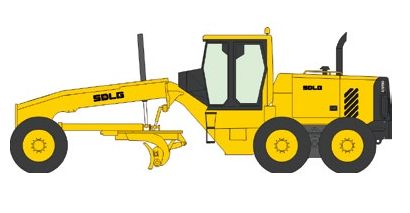 Motor Grader
 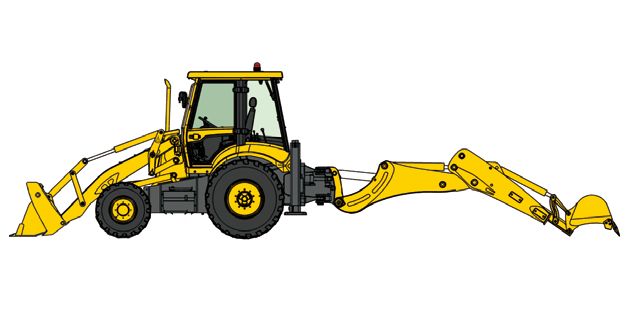 Backhoe Loader
 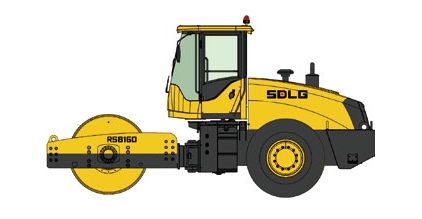 Road Roller
  Spare Parts