What is Heavy Equipment and Its Role in Construction?
Heavy equipment plays a crucial role in the construction industry. According to John Smith, a renowned expert in heavy machinery, "Heavy Equipment transforms our construction capabilities." This statement highlights the impact of machinery on efficiency and safety.
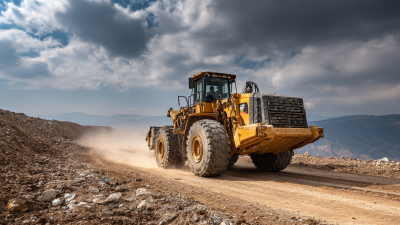
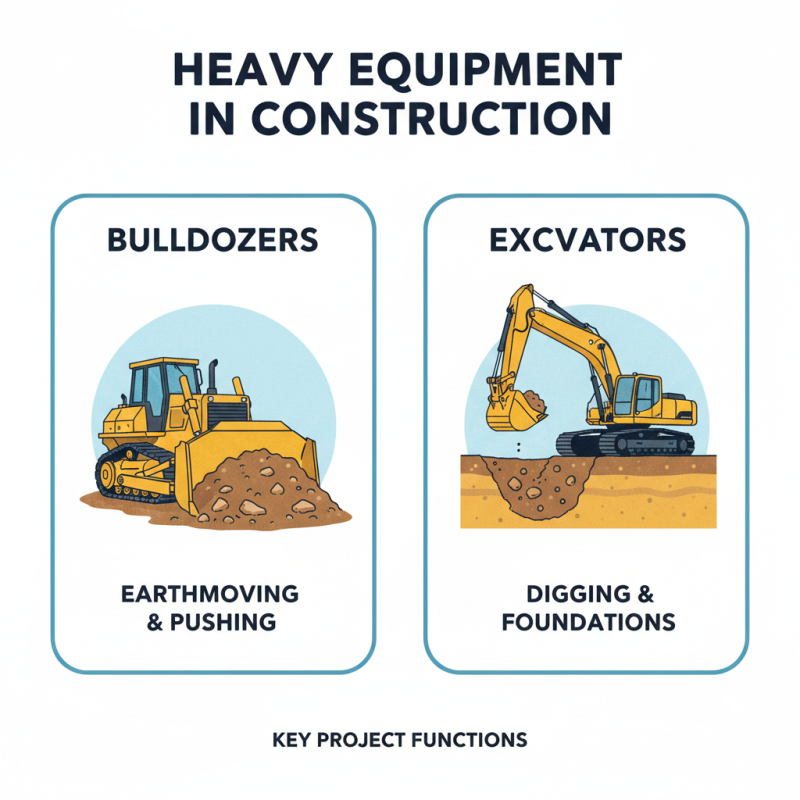
In construction, heavy equipment includes bulldozers, cranes, and excavators. Each machine serves a specific function, aiding in tasks like excavation, lifting, and transporting materials. The use of heavy equipment increases productivity dramatically. With advanced technology, these machines have become essential tools for contractors.
However, reliance on heavy equipment comes with challenges. Operators must be skilled to handle these complex machines safely. Improper use can lead to accidents or project delays. Furthermore, maintenance of these machines is critical. Neglecting upkeep can cause mechanical failures. Thus, a balance of expertise, safety, and reliability is vital in the heavy equipment sector.
Definition and Overview of Heavy Equipment in Construction
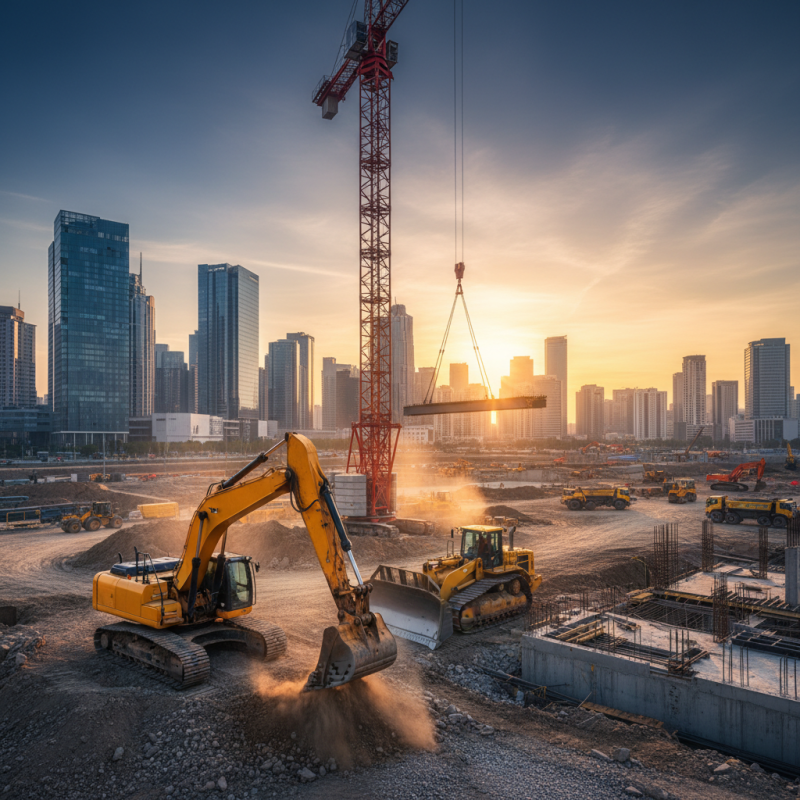
Heavy equipment plays a vital role in construction. It refers to powerful machines designed for moving material, excavating, and facilitating various operations. These machines include bulldozers, excavators, cranes, and loaders. Each type serves a specific purpose, helping to complete projects efficiently.
The importance of heavy equipment lies in enhancing productivity. For instance, excavators can dig deep foundations quickly, cutting down project time. Construction sites benefit from this efficiency, as heavy machinery reduces manual labor. Yet, improper use can lead to accidents. Operators must be trained and follow safety protocols.
Tips: Always inspect machinery before use. Check for damages or leaks. Regular maintenance extends the lifespan of heavy equipment. Additionally, encourage continuous training for operators. Skill improvement can lead to safer operations on site. Consider consulting with experts to ensure compliance with safety standards.
Heavy Equipment Usage in Construction
The chart below illustrates the percentage distribution of various types of heavy equipment utilized in the construction industry. This data represents standard equipment types and their common usage rates based on industry reports.
Types of Heavy Equipment Used in Construction Projects
Heavy equipment plays a crucial role in construction projects. Different types of machinery each serve specific functions. For example, bulldozers are vital for earth-moving tasks. They push large quantities of soil and debris efficiently. Excavators, with their long arms and buckets, dig deep into the ground. They are essential for creating foundations.
Crane operation is also significant. Cranes lift and move heavy materials on-site. They allow workers to place beams and trusses in hard-to-reach areas. A well-coordinated team operating cranes is essential for safety. Remember, training is necessary to operate these machines safely.
Despite their usefulness, heavy equipment poses challenges. Breakdowns can delay projects significantly. Operators must maintain equipment regularly, which can be time-consuming. There’s always a risk of accidents, too. Construction sites can be unpredictable. That’s why maintaining safety protocols is essential. Operators must stay vigilant and experienced to mitigate risks.
The Importance of Heavy Equipment in Enhancing Construction Efficiency
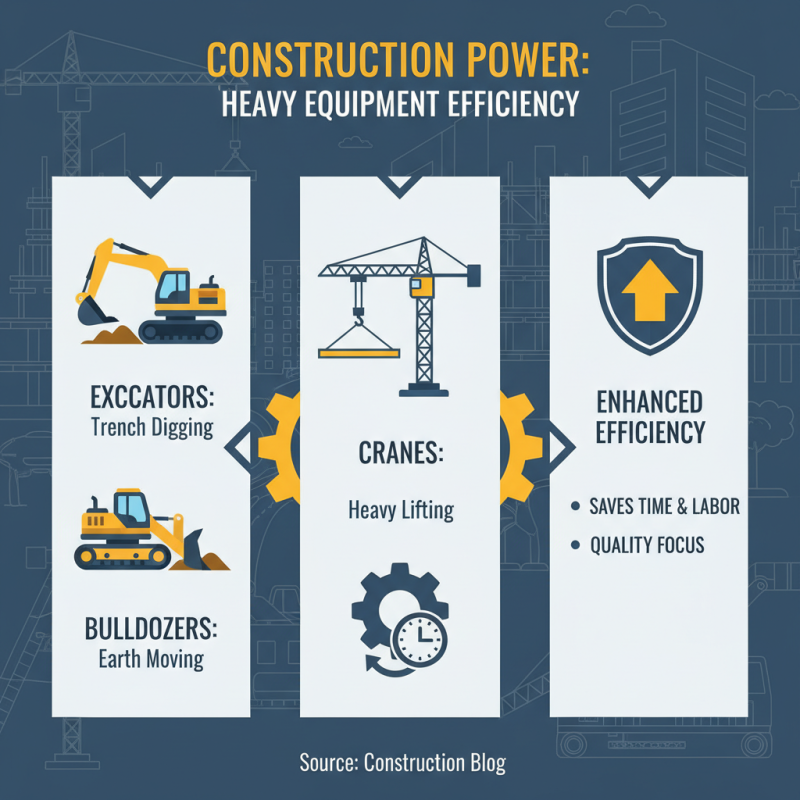
Heavy equipment plays a crucial role in construction. These machines help complete large projects efficiently. Excavators dig trenches, while bulldozers move earth quickly. Cranes lift heavy materials to great heights. This machinery saves time and labor, allowing workers to focus on quality.
However, relying too much on heavy equipment can lead to issues. Operators need proper training for safety and efficiency. Malfunctions can delay projects and increase costs. Misuse can cause accidents, harming workers. Integrating human skills with machinery is essential for optimal results.
Ultimately, heavy equipment enhances construction efficiency significantly. When used wisely, these tools improve accuracy and speed. Yet, a balance between technology and human expertise is vital. Consistent evaluations can ensure that projects proceed smoothly, meeting industry standards.
Safety Considerations and Regulations for Heavy Equipment Operation
Heavy equipment plays a pivotal role in construction. However, safety in operating this machinery is paramount. Reports indicate that approximately 80% of construction-related fatalities involve heavy equipment. Operators must understand equipment limits and adhere to safety regulations.
Daily inspections are crucial. According to the Occupational Safety and Health Administration (OSHA), regular checks can prevent major incidents. Equipment can fail, leading to accidents. Training programs need to include safety protocols and operational guidelines. Proper personal protective equipment (PPE) usage can significantly minimize risks.
Despite regulations, many sites lack compliance with safety standards. This creates an environment prone to hazards. Operators often miss critical health assessments. Maintaining vigilance is necessary to prevent accidents. Job site risk assessments must be a routine practice, adapting to new challenges as they arise.
Future Trends and Innovations in Heavy Equipment for Construction
The construction industry is on the brink of significant transformations driven by innovations in heavy equipment. According to a report from MarketsandMarkets, the global heavy construction equipment market is projected to reach $194 billion by 2025, growing at a CAGR of 4.5%. This surge indicates a clear trend toward more efficient machinery. Innovations such as autonomous vehicles and electric machinery are setting new standards for sustainability and efficiency.
Automation is reshaping how we view heavy equipment. The integration of AI and IoT creates smarter machines that can optimize tasks, reducing human error. For instance, autonomous excavators can now perform complex tasks without direct human intervention. However, as these technologies advance, the industry must grapple with a skills gap. Workers need training to operate sophisticated machinery, and without that, potential gains may be lost.
Electric and hybrid models are also becoming more common. They reduce emissions and fuel costs, which is crucial given the push toward greener construction practices. Still, the upfront costs of these technologies can be high, causing hesitation among smaller companies. Balancing expenses with the benefits of innovation will be key in the coming years. The path forward may not be entirely smooth, but the potential for enhanced productivity and sustainability is undeniable.
What is Heavy Equipment and Its Role in Construction? - Future Trends and Innovations in Heavy Equipment for Construction
| Type of Heavy Equipment |
Primary Function |
Current Trends |
Future Innovations |
| Excavators |
Digging and earthmoving |
Increased automation and fuel efficiency |
Electric-powered models and AI integration |
| Bulldozers |
Clearing and grading land |
Remote operation capabilities |
Augmented reality for enhanced navigation |
| Backhoe Loaders |
Digging and loading materials |
Compact and multifunctional designs |
Smart sensors for operational efficiency |
| Crane |
Lifting and placing heavy objects |
Enhanced safety features |
Self-driving capabilities and IoT integration |
| Dump Trucks |
Transporting materials |
Telematics for fleet management |
Electric and hybrid models to reduce emissions |

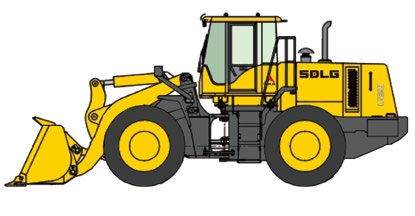 Wheel Loader
  Excavator
 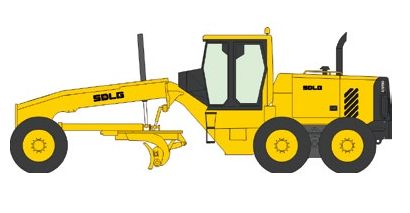 Motor Grader
 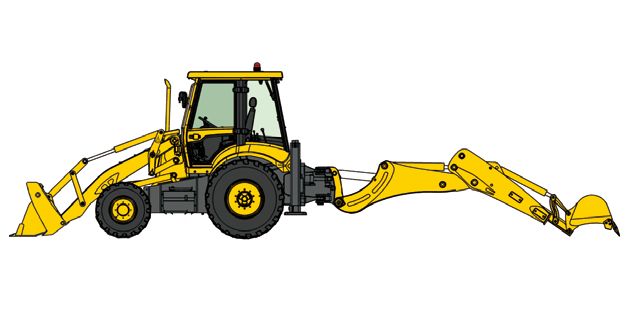 Backhoe Loader
 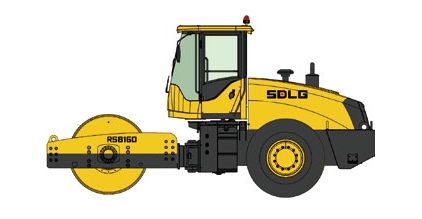 Road Roller
  Spare Parts