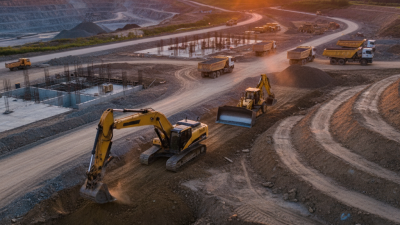
Top Construction Vehicles You Need to Know About?
Construction vehicles are essential tools in the world of building and infrastructure development. These powerful machines play a vital role in various tasks, from excavation to transportation. Knowing the types of construction vehicles available can significantly enhance project efficiency.
Different construction vehicles serve specific purposes. For instance, excavators dig deep into the earth, while bulldozers push heavy materials. Cranes lift and move large objects, enabling the construction of skyscrapers and bridges. However, understanding the capabilities and limitations of each vehicle is crucial for optimal usage.
While these machines are impressive, they can also pose challenges. Mismanagement can lead to accidents or project delays. It's important to reflect on the proper training and safety measures required to operate them effectively. Being aware of these aspects ensures a smoother construction process and a safer work environment.

Essential Types of Construction Vehicles for Modern Projects
Construction vehicles play a crucial role in modern projects. They help streamline tasks and enhance efficiency on the job site. Knowing the essential types of construction vehicles can significantly impact project success.
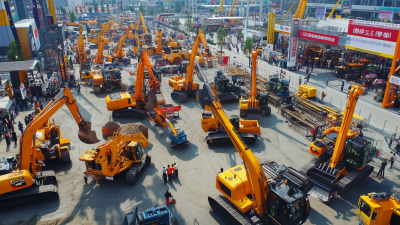
Excavators are versatile machines for digging and heavy lifting. Their rotating booms can reach tight spaces easily. They often work in tandem with other vehicles, making coordination vital. Operating them may seem simple, but understanding the terrain and load capacity is important.
Tip: Always check the vehicle’s maintenance before use. A well-maintained excavator will work without unexpected failures.
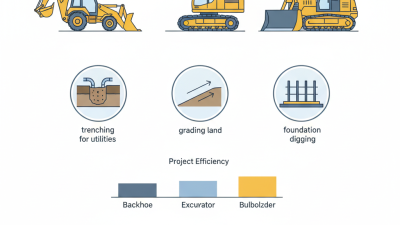
Bulldozers are essential for moving and leveling large areas. Their strong blades can push through tough materials. However, inexperienced operators may struggle with control. Practicing in safe environments first can help avoid accidents.
Tip: Spend time learning the controls. Familiarity decreases mistakes and increases safety.
Key Features and Functions of Excavators in Construction
Excavators are pivotal in construction projects. These powerful machines dig, lift, and move materials. They come in various sizes, making them versatile for different tasks. A standard excavator has a boom, stick, and bucket. Each part plays a key role. The bucket digs into the earth while the boom and stick control its depth and reach.
One of the notable features is the hydraulic system. This allows precise movements and better control. Operators can maneuver with ease, making the job more efficient. However, not all operators are equally skilled. Mistakes in handling can lead to accidents or damages. Regular training is essential.
Excavators also excel in lifting heavy loads. They can transport materials like dirt, rocks, and debris. The machine's stability is crucial during this process. If not used properly, it can tip over. Proper maintenance is often overlooked, leading to mechanical issues. Recognizing these flaws is vital for safety and productivity in construction.
Key Features and Functions of Excavators in Construction
The Role of Bulldozers in Site Preparation and Earthmoving
Bulldozers are essential for site preparation and earthmoving tasks. They have a robust frame and a powerful blade. This combination allows them to push large amounts of soil, rubble, and debris. When constructing a building, clearing the land is vital. A bulldozer can quickly level uneven terrain.
However, using bulldozers is not always straightforward. Operators must be skilled to handle these machines effectively. Poor technique can lead to uneven grading. This may cause drainage issues later on. Many operators face the challenge of balancing speed and accuracy. It’s a constant learning process for them.
In addition, bulldozers also help with other tasks. They can create access roads and trenches. Their versatility makes them invaluable on a construction site. Still, they can also cause soil compaction. This may hinder future planting. It's crucial for construction teams to assess their impact on the land. Knowing when and how to use bulldozers is key.
Crucial Loaders: Understanding Their Importance on Job Sites
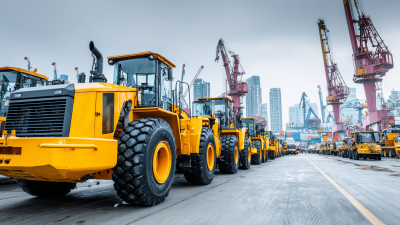
Loaders play a vital role on construction sites. They streamline material handling, making tasks more efficient. These machines are designed to lift, move, and load materials. According to a report by the Associated General Contractors of America, loaders account for approximately 30% of all equipment used in large construction projects. This number highlights their necessity in modern construction.
Different types of loaders exist. Wheel loaders are popular for their mobility. They can traverse rough terrain easily. Track loaders, on the other hand, offer better stability. This is crucial when operating on uneven surfaces. The choice of loader impacts productivity. An inefficient loader can lead to project delays. A study from the Construction Industry Institute indicates that delays cost projects up to 5% more.
Despite their importance, improper training remains a concern. Many operators lack adequate knowledge of loader operation. This can lead to safety hazards and machinery issues. A survey showed that 25% of construction accidents involve equipment misuse. Investing in proper training is essential. Many companies overlook this aspect, risking severe consequences. Thus, understanding loaders and their usage is key to enhancing site safety and efficiency.

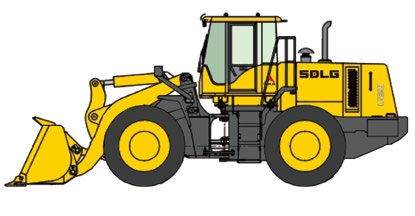 Wheel Loader
  Excavator
 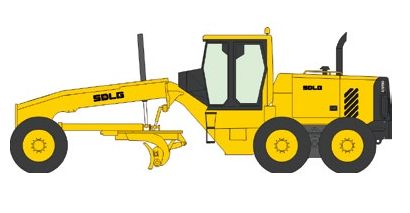 Motor Grader
 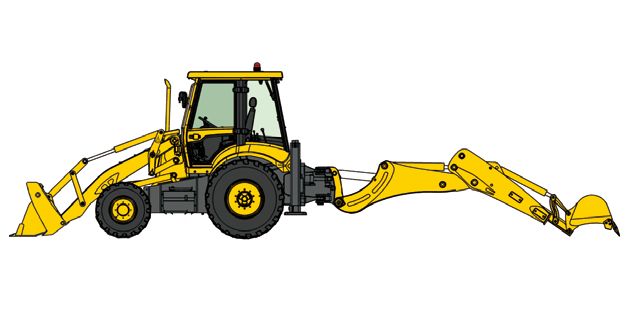 Backhoe Loader
 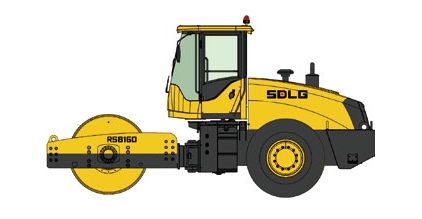 Road Roller
 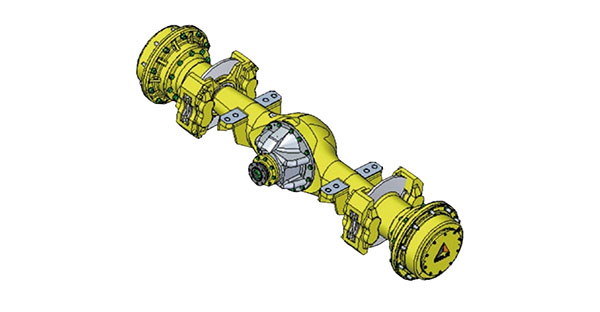 Spare Parts