2025 How to Choose the Right Skid Steer for Your Projects
When embarking on a construction or landscaping project, choosing the right skid steer is paramount to ensure efficiency and effectiveness. Among the various options available in the market, the Sany Skid Steer has emerged as a prominent choice for many operators, combining durability with versatility. Selecting the appropriate skid steer involves understanding your project requirements, including the type of terrain, material handling needs, and machine specifications.
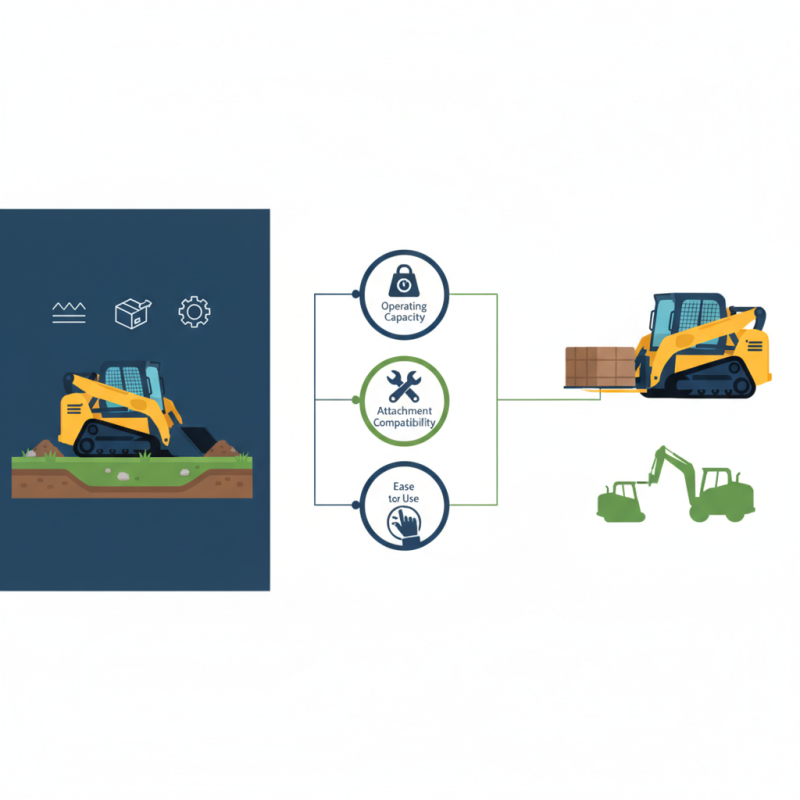
In this guide, we will explore key factors to consider when deciding on a skid steer, such as operating capacity, attachment compatibility, and ease of use. By assessing these elements, you can make an informed decision that aligns with the demands of your specific projects. Whether you require a compact model for tight spaces or a powerful machine for heavy lifting, understanding the nuances of the Sany Skid Steer and similar models will help you enhance productivity and achieve outstanding results.
Understanding Skid Steers: Types and Key Features
When selecting the right skid steer for your projects, it's essential to understand the various types and key features available in today's market. Skid steers can generally be categorized into two main types: wheeled and tracked.
Wheeled skid steers are lighter and more maneuverable on flat surfaces, making them ideal for urban landscaping and construction sites. In contrast, tracked skid steers provide superior traction and stability on uneven terrain, making them suitable for heavy-duty applications in agriculture and excavation. According to a recent industry report, the global skid steer loader market is expected to reach $3.2 billion by 2025, reflecting the growing demand for versatile machinery across sectors.
Key features to consider include the operating capacity, lift height, and attachment options. Operating capacity typically ranges from 600 to 3,500 pounds, thus determining the type of load the machine can handle. Higher lift heights enhance versatility, allowing the skid steer to load materials into taller trucks or stack pallets more efficiently. Additionally, the ability to interchange attachments, such as buckets, forks, or snow plows, allows operators to maximize the machine's capabilities based on project requirements.
Tips: When assessing your skid steer options, prioritize your project needs. If you frequently navigate through tight spaces, a compact model may suit you best. Conversely, if you require excavation capabilities, look for models with better stability and powerful hydraulic systems. Always consult specifications thoroughly and consider renting different types before making a purchase decision to ensure you choose the most suitable skid steer for your specific tasks.
Evaluating Project Requirements: Power, Size, and Capacity
Choosing the right skid steer for your projects begins with a thorough evaluation of specific requirements, including power, size, and capacity. According to a recent industry report by the Association of Equipment Manufacturers, the demand for skid steers is projected to grow significantly, driven by an increase in construction and landscaping activities. This growth emphasizes the importance of selecting a machine that can handle the workload effectively, especially in terms of horsepower. Generally, a skid steer with 50 to 100 horsepower is preferred for mid-sized projects, balancing agility and strength.
Size is another critical factor when selecting a skid steer. Compact models can navigate tight spaces and urban environments, while larger models provide enhanced stability and lifting capacity for heavier loads. A study from the Equipment Leasing and Rental Association highlights that nearly 60% of contractors cite size as a key criterion in their decision-making process. Therefore, it's essential to assess the operational space you have and the type of attachments that may be required for your projects.
Tips: Before you make a purchase, consider conducting a detailed analysis of your project timelines and specific tasks. Choosing the right attachments can also optimize efficiency, as some tasks may require specialized tools like buckets or forks. Always factor in the machine’s lifting capacity to ensure it meets the demands of your projects without compromising safety or performance.
2025 How to Choose the Right Skid Steer for Your Projects
This chart evaluates skid steer options based on power, size, and capacity for different project requirements. The data represents typical values to help you make an informed decision.
Comparing Brands: Reliability, Maintenance, and Resale Value
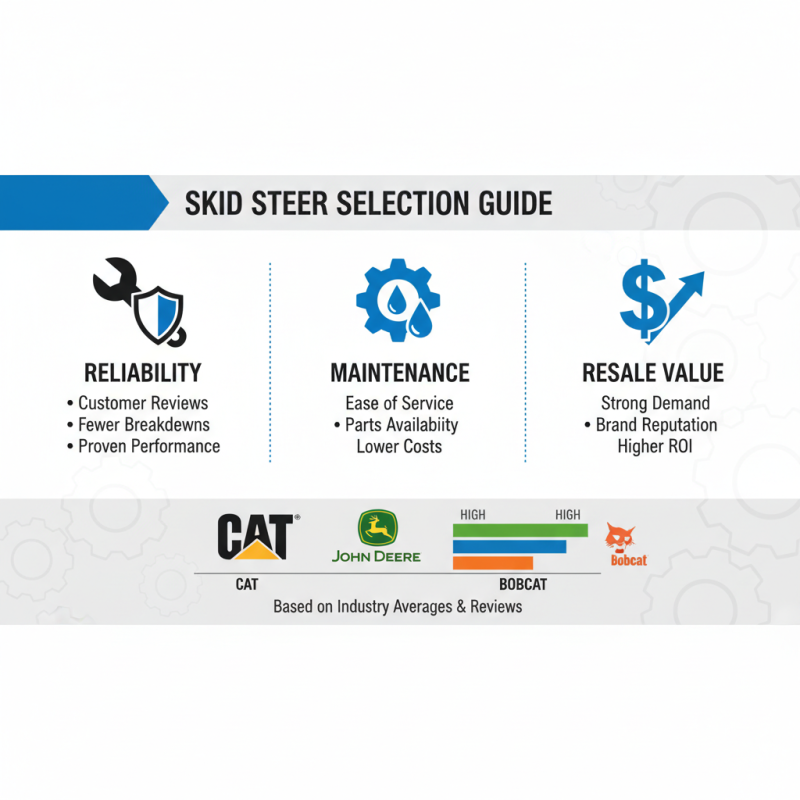
When selecting the right skid steer for your projects, comparing brands based on reliability, maintenance, and resale value is essential. Reliability is a key factor; you want a machine that can withstand heavy use without frequent breakdowns. Consider customer reviews and testimonials, as they often provide insights into the machine's performance over time. Additionally, check for any reported issues or recalls on specific models, as this information can guide you toward more dependable options.
Maintenance costs are another critical aspect to consider. Some machines may initially appear more affordable, but high maintenance expenses can erode your budget in the long run. Look for models that come with user-friendly maintenance features, such as easily accessible service points and diagnostic tools. Regular maintenance is crucial for the longevity of the skid steer, so a machine designed for easy upkeep can save you time and money.
**Tips:** Before making a purchase, inquire about the warranty and the availability of replacement parts. A long warranty can indicate a manufacturer’s confidence in their product and can provide peace of mind for future repairs. Moreover, research the resale value as well; machines with a higher resale value can recover more of your investment when it’s time to upgrade.
Selecting Attachments: Versatility for Diverse Applications
When selecting a skid steer for your projects, one of the key considerations is the versatility of attachments that can be used. According to a report by the Association of Equipment Manufacturers (AEM), the attachment market for compact equipment is projected to reach over $6 billion by 2025, highlighting the growing demand for adaptable machinery in various industries. This increasing market presents an opportunity for operators to maximize the utility of a single machine across multiple tasks, such as grading, digging, and lifting.
Attachments like buckets, forks, and trenchers, each designed for specific applications, can transform a single skid steer into a multi-functional tool. Industry studies show that construction and landscaping sectors are leading the adoption of such versatile equipment, with nearly 70% of operators reporting enhanced productivity and efficiency. This adaptability not only improves worksite flexibility but also allows project managers to respond swiftly to changing job requirements. With the right selection of attachments, operators can significantly reduce downtime and costs associated with equipment transport, ultimately leading to a more streamlined and effective project execution.
2025 How to Choose the Right Skid Steer for Your Projects - Selecting Attachments: Versatility for Diverse Applications
| Attachment Type |
Primary Use |
Weight (lbs) |
Compatibility |
Versatility Rating (1-10) |
| Bucket |
Material Handling |
400 |
Most skid steers |
9 |
| Forks |
Lifting |
300 |
Most skid steers |
8 |
| Grapple |
Debris Management |
600 |
Most skid steers |
10 |
| Auger |
Post Hole Digging |
500 |
Select models |
7 |
| Broom |
Sweeping |
400 |
Most skid steers |
8 |
| Snow Plow |
Snow Removal |
500 |
Most skid steers |
9 |
| Concrete Mixer |
Mixing |
800 |
Select models |
6 |
Budget Considerations: Cost, Financing, and Long-Term Value
When selecting the right skid steer for your projects, budget considerations play a crucial role. According to a report by the Association of Equipment Manufacturers, the average cost of a new skid steer ranges from $25,000 to $50,000, depending on the model and specifications. It's essential to assess your financial capacity and determine whether purchasing or financing is more advantageous for your needs. Financing options can vary, with interest rates typically ranging from 4% to 8%, which can significantly impact the total cost over the lifespan of the equipment.
Moreover, long-term value is an often-overlooked aspect of budgeting for skid steers. A study from the Equipment Leasing and Finance Association indicates that businesses that invest in quality machinery tend to see a return on investment (ROI) of 25% to 30% over five years, primarily due to increased productivity and reduced maintenance costs. Factors such as fuel efficiency, ease of maintenance, and resale value are crucial when evaluating long-term value. By considering these financial aspects in conjunction with project requirements, you can make a more informed decision on which skid steer will best meet your operational needs while aligning with your budget constraints.

 Wheel Loader
  Excavator
 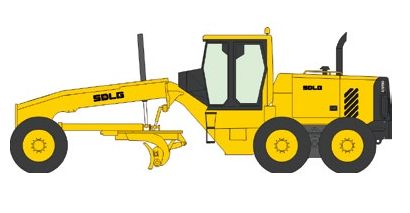 Motor Grader
 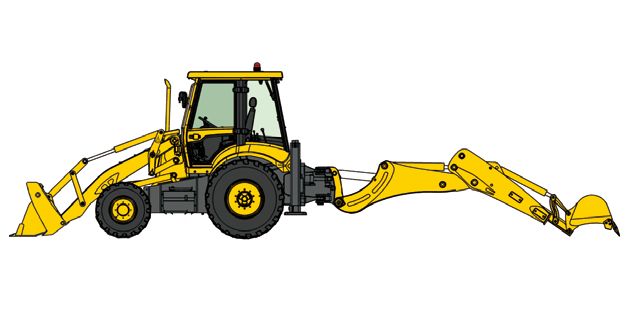 Backhoe Loader
 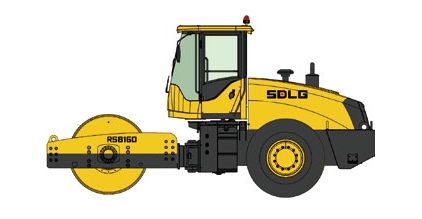 Road Roller
 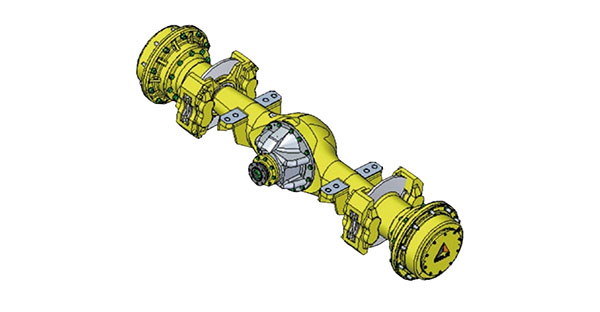 Spare Parts