How to Choose the Right Crawler Crane for Your Project?
Choosing the right crawler crane for a project is crucial. Crawler cranes play a vital role in construction and heavy lifting. According to a recent report by MarketsandMarkets, the crawler crane market is expected to grow significantly, reaching USD 4 billion by 2026. This growth highlights the increasing demand for these machines in various sectors.
Expert insights underscore this importance. John Smith, a renowned crawler crane specialist, states, "Selecting the appropriate crane can affect project timelines and safety." His words emphasize the need for careful consideration in crane selection. Factors include load capacity, lift height, and site conditions.
Various projects might require different solutions. For example, a heavy civil construction project may need a crane with higher lifting capacities. Conversely, a small urban project may prioritize maneuverability. Reflection on these elements is essential. Each project presents unique challenges that can impact crane performance. Understanding these nuances is key to selecting the right crawler crane.
Understanding Crawler Cranes: Types and Specifications
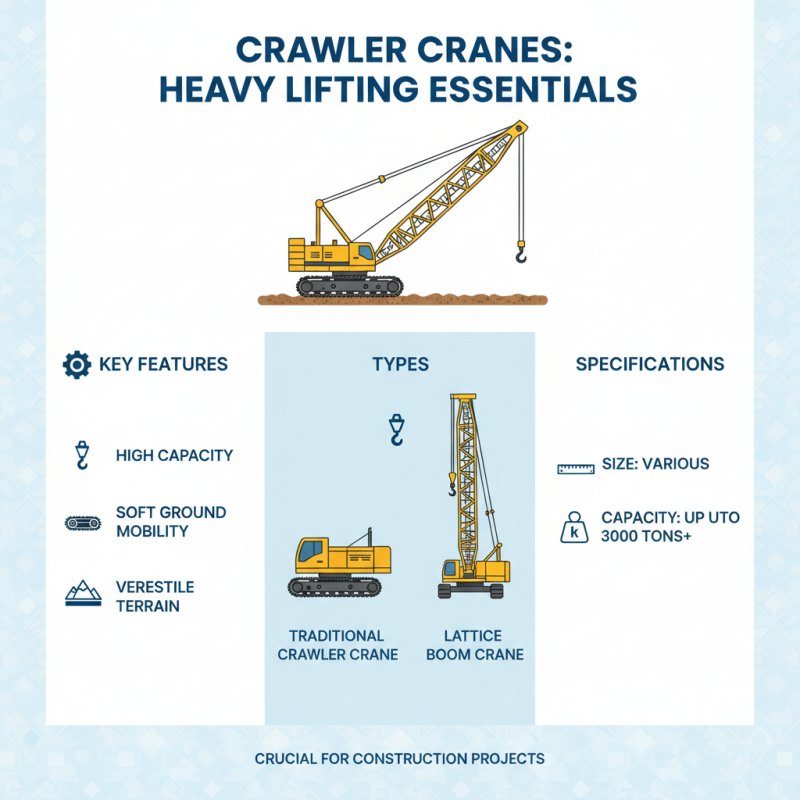
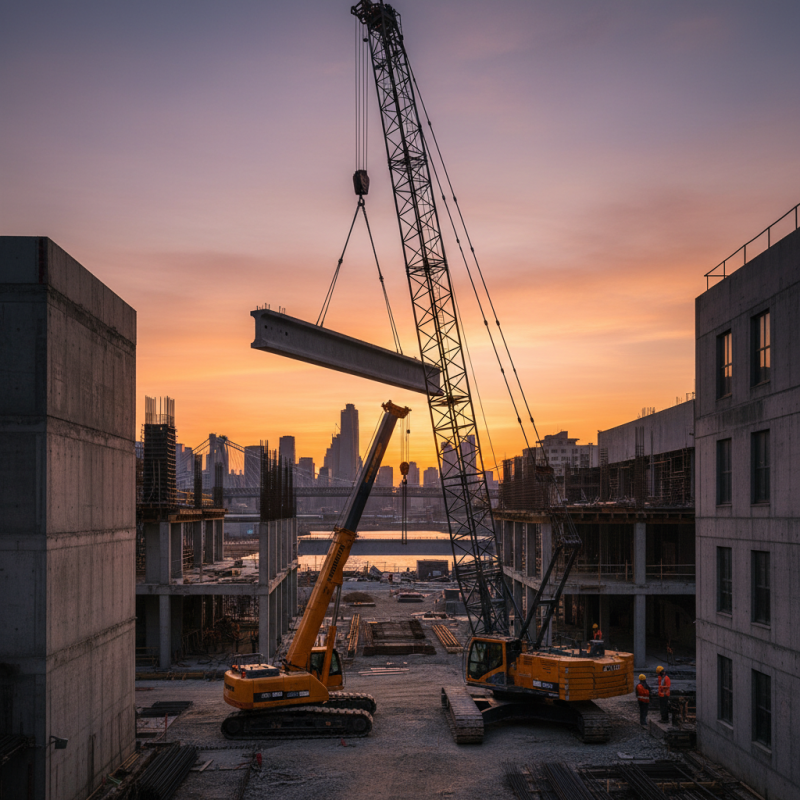
Crawler cranes are vital for heavy lifting in construction projects. Understanding their types and specifications is crucial. Crawlers come in various sizes and capacities. They operate well on soft ground, making them ideal for diverse terrains. The basic types include traditional crawler cranes and those equipped with lattice booms.
When selecting the right crane, consider the project’s unique requirements. Capacity and reach are essential. A larger capacity crane can lift heavier loads, but it’s also bulkier. Evaluate your site’s accessibility. Narrow spaces may limit your equipment choice. Ensure you understand the weight of your loads. Having the right specifications prevents unexpected complications.
**Tips**: Always assess the ground conditions. Inspect for stability before setting up. Check the crane's maximum load chart carefully. Failure to do so can lead to dangerous accidents. Remember, cost isn't everything. A cheaper crane may not perform as needed, leading to delays. Prioritize quality over price for safety purposes.
Evaluating Project Requirements for Crawler Crane Selection
Choosing the right crawler crane is crucial for any construction project. Project requirements vary widely. Understanding these needs can make a big difference. For example, assess the weight and size of the materials you intend to lift. This will help determine the crane's lifting capacity. Don’t forget to consider the boom length. It affects the reach over obstacles on your site.
Site conditions also play a significant role. Is the ground stable? Uneven terrain can complicate crane operations. You'll want a crane that can adapt to your environment. Look into the crane's mobility features. A crawler crane should easily navigate tight spaces. Ensure there's enough clearance for operation.
Evaluate the duration of your project. Short-term projects might not justify a large, expensive crane. But for long-term uses, investing in a robust machine could be wise. Keep in mind the potential for changes in project scope. Flexibility in your choice can be key. Think through the potential challenges. Sometimes, even a small detail can make a big impact.
How to Choose the Right Crawler Crane for Your Project?
| Project Type |
Max Load Capacity (ton) |
Boom Length (m) |
Transport Module |
Site Conditions |
| Heavy Construction |
300 |
60 |
Self-assembles |
Rugged terrain |
| Industrial Projects |
200 |
50 |
Transportable |
Flat surface |
| Infrastructure Development |
400 |
70 |
Crawler tracks |
Variable terrain |
| Bridge Construction |
150 |
40 |
Standard trailer |
Access limited |
| Wind Turbine Installation |
250 |
80 |
Heavy haul |
Open fields |
Key Factors to Consider When Choosing a Crawler Crane
Choosing the right crawler crane for your project requires careful consideration of several key factors. A report by the Global Construction Equipment Market indicates that the demand for crawler cranes will increase by 4.4% annually until 2027. Understanding your load capacity needs is essential. Different cranes have distinct lifting capabilities, often ranging from 50 tons to over 1,000 tons. Miscalculating these needs can lead to costly project delays.
Next, consider site conditions. Are you working on soft soil or rocky terrain? Certain cranes perform better in specific environments. A 2022 survey revealed that 35% of crane failures occur due to improper site assessment. A thorough analysis can prevent accidents and ensure efficient operation.
Finally, pay attention to mobility requirements. Some projects need cranes that can move easily across the site, while others require stability from larger models. This balance is crucial. Only 18% of project managers take mobility into account during their selection process. Ignoring this factor can lead to logistical challenges. Take the time to weigh these elements carefully. Failure to do so may result in regrets later in the project.
How to Choose the Right Crawler Crane for Your Project?
Assessing Performance and Load Capacity of Crawler Cranes
When selecting a crawler crane for your project, understanding its performance and load capacity is crucial. Each crane has its specifications. Checking the maximum lifting capacity is essential. Not all projects require the same power. A crane that lifts too much adds unnecessary costs. Conversely, an underperforming crane can lead to project delays.
Load charts are key documents to review. They display various lifting capabilities at different radii. You must note the weight and dimensions of your loads. Ensure the crane can handle not just the weight but also the balance. A heavy load on an uneven surface can create risks. Misjudging these factors is common and can lead to costly mistakes.
Ground conditions matter too. Soft or uneven terrain can affect stability. Understand how the crane interacts with the ground. In some cases, additional supports are necessary. Ignoring this detail could result in failures. Each project has unique challenges. Addressing these specifics is vital for choosing the right machine.
Budgeting and Operational Costs for Crawler Crane Projects
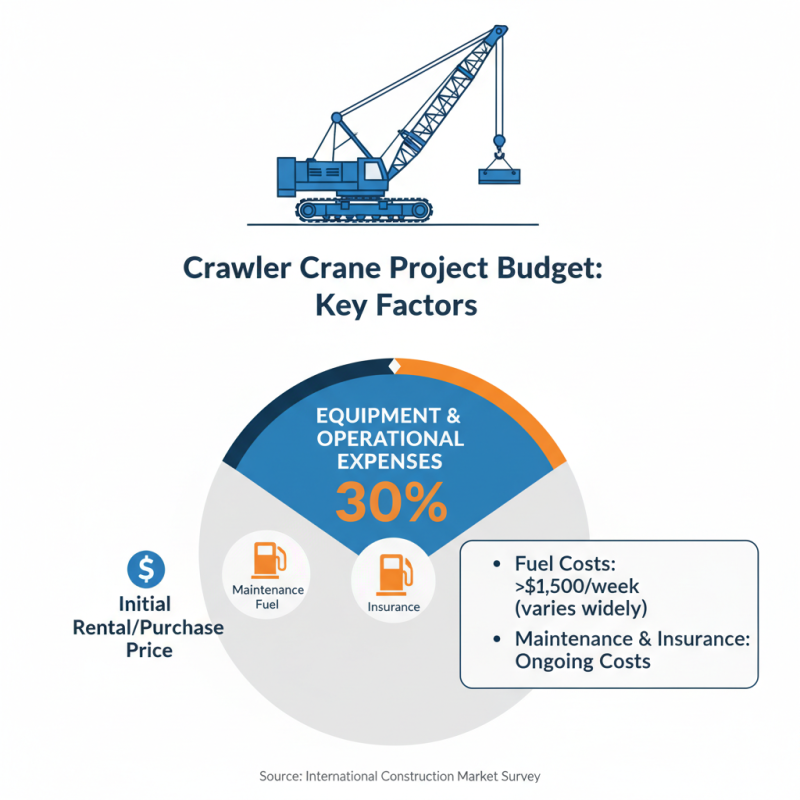
When budgeting for a crawler crane project, several factors come into play. According to the International Construction Market Survey, around 30% of project costs can be attributed to equipment and operational expenses. The initial rental or purchase price is just the beginning. Maintenance, fuel, and insurance also add to the ongoing budget. For instance, fuel costs can vary widely, with some projects reporting expenses exceeding $1,500 per week.
Operational costs often surprise project managers. Data from industry reports indicate that labor costs account for roughly 50% of total crane operating costs. Hiring experienced operators can improve efficiency but also increase the budget. Training sessions for crew members are essential yet add additional costs. While some might opt for less experienced workers to save, this can lead to inefficiencies and increased risks.
Regulatory compliance is another overlooked expense. Some regions require specific safety certifications or inspections, which can further inflate costs. Failing to account for these can result in project delays and fines. Ultimately, an accurate budget reflects not just upfront costs but encompasses all operational elements, ensuring smooth project execution.

 Wheel Loader
  Excavator
 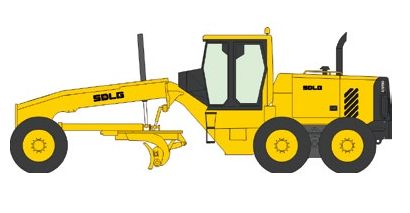 Motor Grader
 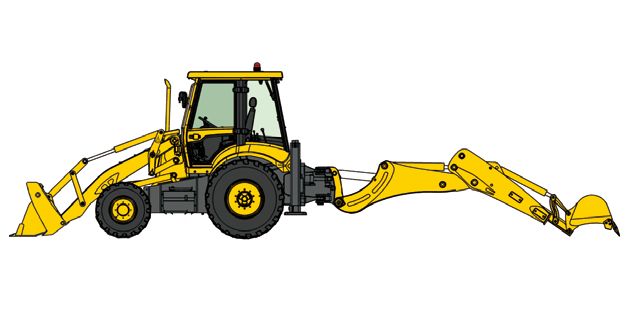 Backhoe Loader
 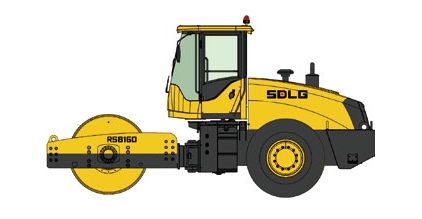 Road Roller
 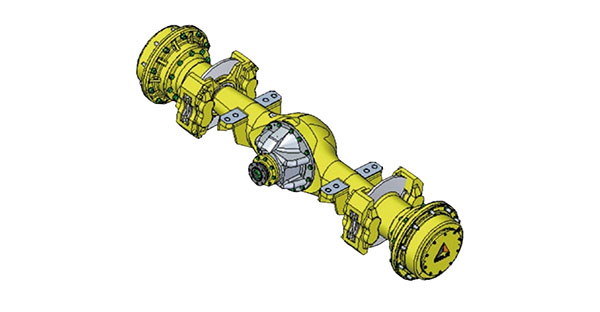 Spare Parts