How to Choose the Best Heavy Equipment Hauling Services?
Choosing the right Heavy Equipment Hauling services can be a daunting task. With numerous options available, it’s crucial to make an informed decision. As industry expert Mark Anderson states, “The success of any heavy load transport hinges on choosing the right partner.” This highlights the importance of selecting a reliable hauling service that meets specific needs.
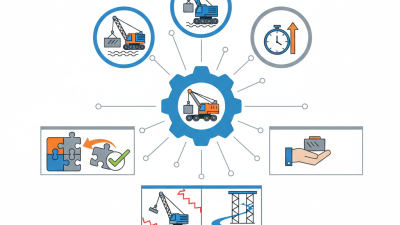
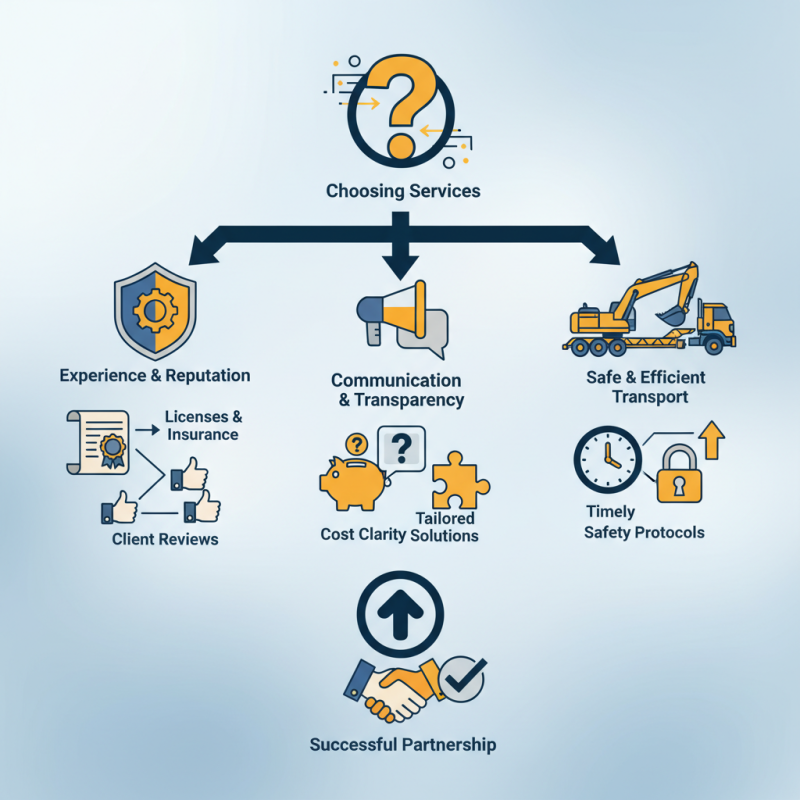
When considering Heavy Equipment Hauling, focus on a company’s experience and reputation. A long-standing provider often indicates reliability. Check if they have the necessary licenses and insurance. These factors contribute to their ability to handle heavy loads safely. Moreover, seeking reviews from past clients can provide insight into their service quality.
Don’t overlook communication during the selection process. A dependable company should be transparent about their methods and costs. This can prevent unexpected issues down the line. Reflect on whether the service offers personalized solutions for your project. Tailored approaches can significantly enhance efficiency and safety in your heavy equipment transport needs.
Understanding Heavy Equipment Hauling Services
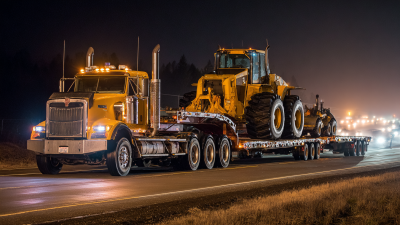
Heavy equipment hauling services play a crucial role in various industries. These services transport large machinery safely and efficiently. Whether it’s construction, agriculture, or mining, understanding the nuances of heavy equipment hauling is essential. A reliable hauling service ensures that your equipment arrives on time and in perfect condition, minimizing downtime.
When selecting a hauling service, consider the type of equipment you need to transport. Some companies specialize in certain types of machinery. Others may lack the expertise to handle specific loads safely. Research is vital. Look for firms with a proven track record and knowledgeable staff. They should possess proper licensing and insurance, adding to their reliability.
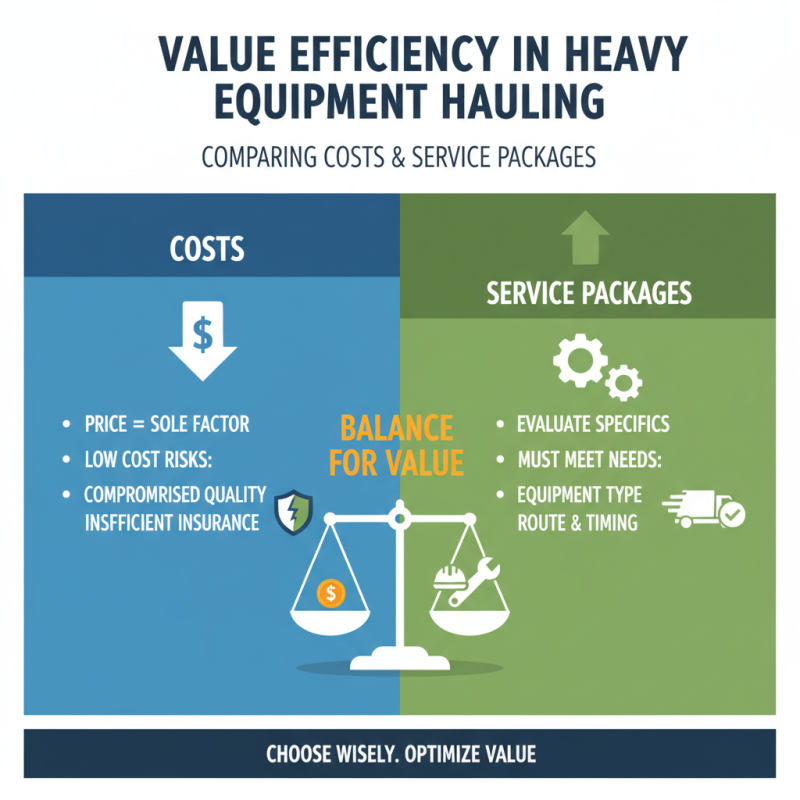
Communication is another key aspect. Ensure the service provider keeps you informed throughout the process. Transparency about costs and timeframes builds trust. Still, be aware that delays can happen. Flexibility is essential. Reflect on previous experiences—what worked and what didn’t? Learning from past choices can lead to better decisions. The right heavy equipment hauling service can significantly boost your project's success, making thorough research worth your time.
Key Factors to Consider When Choosing a Hauling Service
When selecting heavy equipment hauling services, several key factors require careful consideration. Start by evaluating the company's experience. A provider with years in the industry understands the complexities involved. They know how to handle diverse loads safely. This experience also reflects their ability to manage unforeseen challenges during transportation.
Next, assess the fleet's condition and capacity. An updated and well-maintained fleet ensures reliability. Look for companies that can accommodate your specific equipment size and weight. A provider with diverse equipment options can adapt to different hauling needs. This flexibility is vital for ensuring your equipment reaches its destination safely.
Communication is another crucial aspect. Choose a service that offers clear and responsive communication. This helps in managing expectations and addressing concerns quickly. Additionally, check their safety record. A strong focus on safety indicates that the company prioritizes both crew and equipment protection. Reflecting on these factors can lead to better decision-making and ultimately enhance your hauling experience.
Evaluating the Experience and Expertise of Haulers
When selecting heavy equipment hauling services, assessing the experience and expertise of haulers is crucial. Look for companies that have spent years in the industry. Longevity often indicates reliability and a solid understanding of complex hauling tasks. Many haulers may have experience with various types of machinery. This includes excavators, cranes, and bulldozers. Each piece requires unique handling skills.
Additionally, consider the certifications and training of the staff. Experienced operators should be trained in safety protocols. They should also understand regulations regarding heavy loads. A reliable company often provides ongoing training for its employees. This commitment to education reflects dedication and professionalism.
It’s important to ask about previous projects. A portfolio can showcase a hauler's ability to manage different challenges. However, not all past projects may reflect their capabilities accurately. There might be instances where unforeseen obstacles arose. Some companies may have faced difficulties, which led to less-than-ideal outcomes. Discussing these experiences in detail can provide valuable insight into their problem-solving skills.
How to Choose the Best Heavy Equipment Hauling Services? - Evaluating the Experience and Expertise of Haulers
| Criteria |
Description |
Importance Level |
Recommended Measure |
| Experience |
Years in operation and types of equipment handled. |
High |
Ask for case studies and testimonials from previous clients. |
| Licenses & Certifications |
Proper licensing and industry certifications. |
High |
Request a copy of their licenses and certifications. |
| Fleet Condition |
Age and maintenance status of the equipment. |
Medium |
Inspect the equipment in person if possible. |
| Insurance Coverage |
Types and levels of insurance held. |
High |
Verify the extent of their coverage. |
| Customer Service |
Responsiveness and support offered. |
Medium |
Check online reviews and ratings. |
| Cost Estimates |
Comparative pricing of services offered. |
Medium |
Request detailed quotes from multiple haulers. |
Assessing Safety Standards and Compliance in Hauling
When selecting heavy equipment hauling services, safety is paramount. A company must demonstrate a track record of safe operations. This includes adhering to industry regulations and possessing necessary licenses. Look for certifications from recognized safety organizations. These certifications indicate that a company meets high safety standards.
Assessing a company’s safety practices deepens your understanding of their reliability. Evaluate their equipment maintenance records. Well-maintained vehicles and machinery reduce the risk of accidents. Ask about their driver training programs. Experienced drivers who are well-trained are less likely to make mistakes.
Pay attention to their compliance with local and federal transportation laws. Non-compliance can lead to legal issues, delays, and penalties. Check reviews and feedback from previous clients. This can reveal both strengths and weaknesses in their service. Be aware that not all hauling services prioritize safety. Critical evaluation is necessary to avoid potential hazards in your project.
Assessment of Safety Standards in Heavy Equipment Hauling Services
This chart illustrates the evaluation of safety standards across different heavy equipment hauling services based on key compliance metrics. The data represents scores on a scale of 0 to 100, assessing areas such as equipment maintenance, operator training, and safety record.

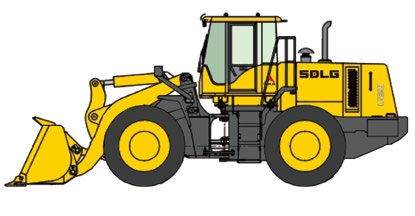 Wheel Loader
  Excavator
 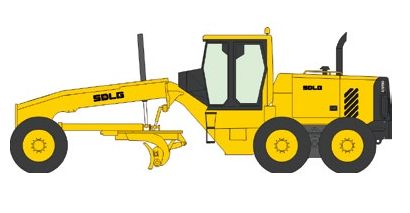 Motor Grader
 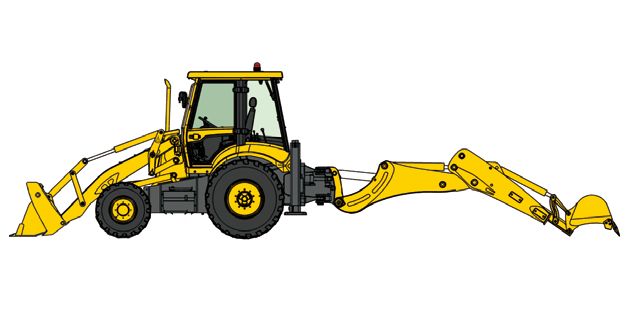 Backhoe Loader
 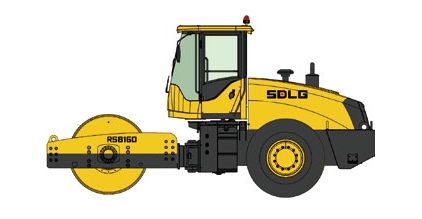 Road Roller
  Spare Parts