| Demolition |
Key Features to Consider When Selecting a Mini Excavator
When selecting a mini excavator for your project needs, there are several key features to consider to ensure optimal performance and efficiency. First and foremost, assess the size and weight of the excavator. Understanding the dimensions will help you determine whether it can access confined spaces or fit on limited job sites. Additionally, consider the operating weight, as this affects the machine's stability and ground pressure, which is crucial when working on soft or uneven terrain.
Another critical feature is the dig depth and reach of the excavator. Different projects require varying levels of excavation depth, so it's vital to choose a machine that can accommodate your specific requirements. Furthermore, pay attention to hydraulic performance and attachment compatibility, as these factors will influence the versatility of the excavator. The availability of various attachments, such as buckets or trenchers, can significantly expand the excavator's functionality, making it suitable for different tasks. Evaluating these features will help ensure you select a mini excavator that meets your project demands efficiently.
Evaluating Cost and Budget Implications for Your Project
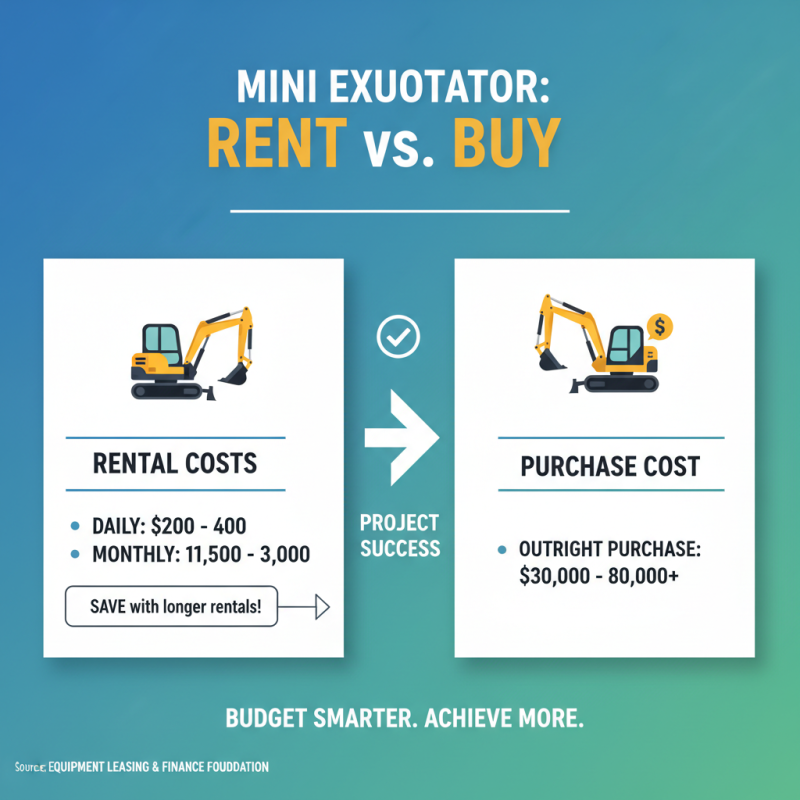
When considering the purchase or rental of a mini excavator, evaluating the cost and budget implications is crucial for project success. According to a report by the Equipment Leasing and Finance Foundation, the average cost of renting a mini excavator typically ranges from $200 to $400 per day, depending on the size and specifications of the machine. Additionally, longer rental durations often lead to discounts, which can significantly impact the overall project budget. For instance, a rental period extending to a month may cost around $1,500 to $3,000, a fraction of the price compared to outright purchasing.
Budgeting for a miniature excavation project isn't solely about rental costs; it also includes considerations for maintenance, fuel, and operator training. The National Equipment Register reports that proper training can reduce operational costs by as much as 15%, minimizing the risk of accidents and equipment damage. Furthermore, maintenance costs can vary widely, averaging between $0.50 to $2.00 per hour of operation. By conducting a thorough analysis of these financial factors, project managers can better align their choices regarding mini excavators with the overall budget, ensuring that all project goals are met without overspending.
Maintenance and Support Options for Caterpillar Mini Excavators
When selecting a mini excavator for your project needs, it's crucial to also consider the maintenance and support options available. Proper maintenance is essential for ensuring the longevity and reliability of your equipment. Regularly scheduled inspections and services, such as oil changes, filter replacements, and track adjustments, help in identifying potential issues before they escalate into costly repairs. Therefore, choosing a manufacturer that offers comprehensive maintenance programs can enhance the operational efficiency of your mini excavator and minimize downtime.
Additionally, support options play a significant role in the overall experience of owning and operating a mini excavator. Accessible customer service, technical support, and training resources can greatly assist operators in maximizing the potential of their machinery. Look for options that provide quick responses to inquiries and access to knowledgeable technicians who can help troubleshoot any problems that arise. Furthermore, having a local dealership or service center can ensure that parts and service are readily available, enabling timely repairs and maintenance to keep your project on track.
Mini Excavator Maintenance Frequency and Support Options
FAQS
: When selecting a mini excavator, consider the machine's size, weight capacity, dig depth, reach, and functionality to ensure it aligns with your project requirements.
Mini excavators typically range from 1 to 10 tons, with models under 5 tons being preferred for residential and landscaping projects due to their versatility in confined spaces.
Digging depth and reach are critical, especially for projects requiring deep trenches. Many mini excavators achieve a digging depth of up to 10 feet, making it essential to evaluate these specifications for optimal performance.
Regular maintenance is vital for the longevity and reliability of mini excavators. Scheduled inspections and services prevent minor issues from becoming costly repairs.
Look for manufacturers that provide accessible customer service, technical support, and training resources to assist operators in maximizing their equipment's potential.
Mini excavators equipped with advanced hydraulic systems enhance lifting and digging performance, making them a preferred choice for many contractors.
Zero tail swing mini excavators are designed for confined spaces, minimizing the risk of damage to surroundings while providing better maneuverability.
Carefully align your project's specific needs with the technical specifications of the mini excavator, including weight capacity, dig depth, and reach, to maximize productivity.
A local dealership or service center ensures that parts and maintenance services are readily available, facilitating timely repairs and reducing downtime on your project.
Approximately 80% of all construction projects utilize equipment weighing less than 5 tons, highlighting their efficiency and versatility in various applications.
Conclusion
Choosing the right Caterpillar Mini Excavator for your project involves a thorough understanding of the various types available and how they align with your specific requirements. Assessing project specifications is crucial, as it informs which features are most beneficial, such as digging depth, arm reach, and attachment compatibility.
Additionally, it's important to evaluate your budget constraints and consider the overall cost implications, including purchase price and long-term maintenance expenses. Lastly, exploring maintenance and support options will ensure that your Caterpillar Mini Excavator remains operational and efficient throughout its use, making it a valuable asset for your project endeavors.
|

 Wheel Loader
  Excavator
 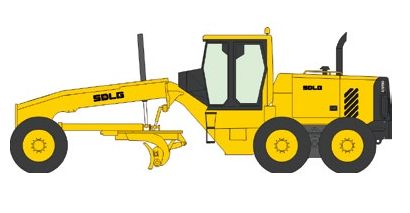 Motor Grader
 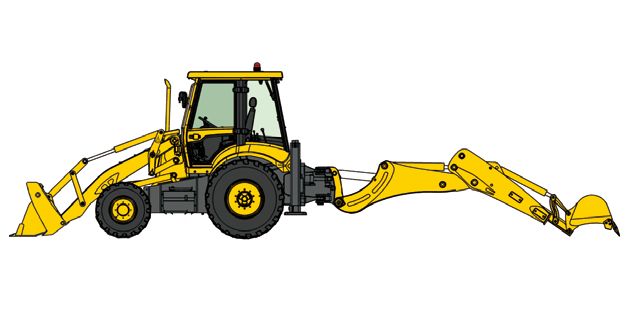 Backhoe Loader
 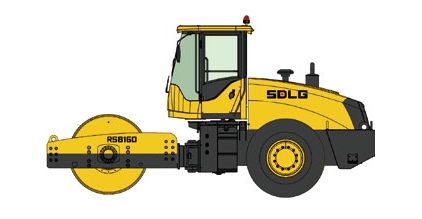 Road Roller
 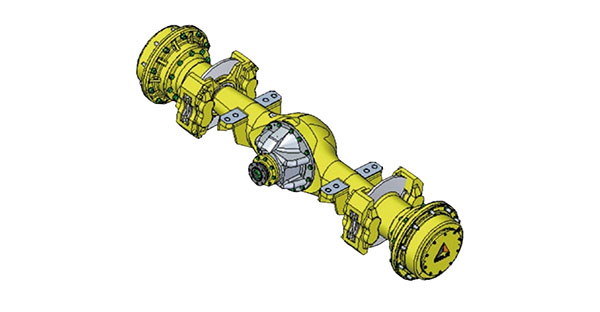 Spare Parts