How to Buy Sany Heavy Equipment for Your Business Needs?
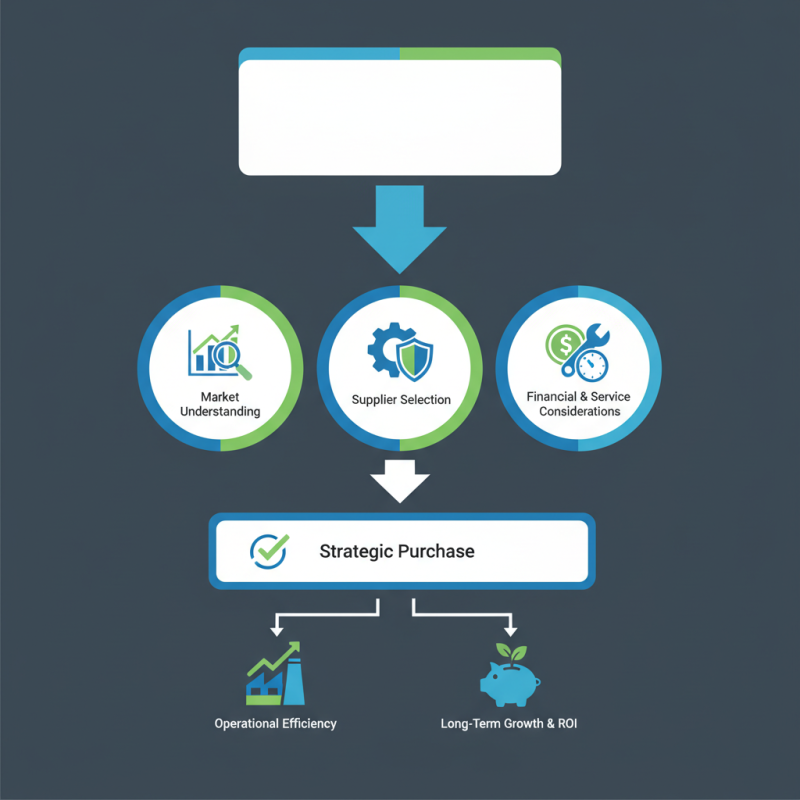
When considering the purchase of Sany Heavy Equipment for your business needs, understanding the market is crucial. According to recent industry reports, the demand for heavy equipment is projected to grow by 5.4% annually in the next five years. This growth highlights a competitive landscape ripe for investment.
As John Zhang, an industry expert in heavy machinery, once noted, "Choosing the right equipment supplier can make or break your operational efficiency." Such advice emphasizes the importance of selecting reliable machinery that aligns with your business goals. Sany Heavy Equipment stands out in the market for its innovation and performance, making it a viable option for various industries.
However, navigating the purchasing process requires careful consideration. Factors like warranty, service support, and financing options can greatly affect your decision. A hasty purchase can lead to operational setbacks. Hence, researching and reflecting on your specific needs will pay off in the long term.
Understanding Sany Heavy Equipment and Its Applications
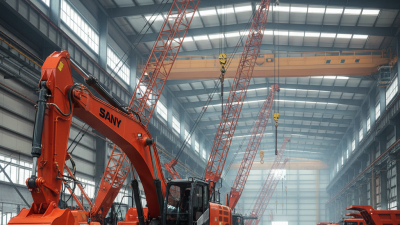
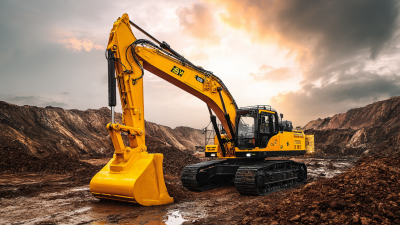
When considering heavy equipment for your business, understanding its applications is crucial. Heavy equipment plays a vital role in various industries. It is often used in construction, mining, and agriculture. Different types of machines serve distinct purposes. For example, excavators are ideal for digging and demolition, while bulldozers excel in earthmoving tasks.
However, not all projects require the same equipment. Misjudging your equipment needs can lead to inefficiency. It’s important to assess the specific requirements of your projects. Will you need a crane for lifting heavy materials? Or maybe a backhoe loader for versatile digging? Each piece of machinery comes with its own set of challenges and operational intricacies.
Training and safety are also vital components. Improper handling can lead to accidents or equipment damage. Investing time in training your team can save money in the long run. Although the upfront costs may be high, the right equipment improves productivity. Be mindful of maintenance needs to ensure longevity. Reflecting on these details can guide informed decisions and ultimately benefit your business operations.
Identifying Your Business Needs and Requirements
Identifying your business needs is essential when considering heavy equipment. Different projects require different tools.
Assess your current operations. Determine the types of jobs you handle frequently. Understanding your workload helps in selecting suitable machinery.
Evaluate the specifications you require. What capacities do you need? Consider size, power, and flexibility.
Your choice should align with the tasks your business regularly faces. Think about future projects too.
Will you need additional features later? Planning for growth can save money in the long term.
Tips: Engage your team in discussions. They can offer valuable insights based on their experiences. Additionally, look at equipment reviews online.
Feedback from other users can guide your decisions. Finally, be realistic about your budget.
Quality equipment may be a higher initial investment but can lead to savings through durability and efficiency.
Researching Sany Distributors and Dealers
When considering heavy equipment for your business, researching distributors and dealers is crucial. Finding the right distributor can significantly impact your purchasing experience. Look for distributors with a solid reputation and extensive experience in the industry. This ensures that you receive expert advice and quality service.
Check online reviews and customer testimonials. They provide insights into the reliability of different dealers. Don’t hesitate to reach out to other businesses for recommendations. A trustworthy dealer should be responsive and willing to answer all your questions. Communicate your specific needs; they should show expertise in matching equipment to those needs.
Take note of potential shortcomings in your research. Some dealers may overpromise on delivery times or equipment capabilities. It's vital to verify claims through independent sources. Request detailed quotations and compare them across multiple dealers. This transparency helps build trust and ensures you make informed decisions.
How to Buy Sany Heavy Equipment for Your Business Needs?
| Distributor/Dealer Location |
Contact Number |
Email Address |
Specialties |
Customer Reviews |
| Region A |
(123) 456-7890 |
[email protected] |
Excavators, Loaders |
⭐⭐⭐⭐☆ |
| Region B |
(987) 654-3210 |
[email protected] |
Cranes, Forklifts |
⭐⭐⭐⭐⭐ |
| Region C |
(456) 123-7890 |
[email protected] |
Dump Trucks, Graders |
⭐⭐⭐☆☆ |
| Region D |
(321) 654-9870 |
[email protected] |
Backhoes, Compactors |
⭐⭐⭐⭐⭐ |
Evaluating Financing Options for Sany Equipment Purchases
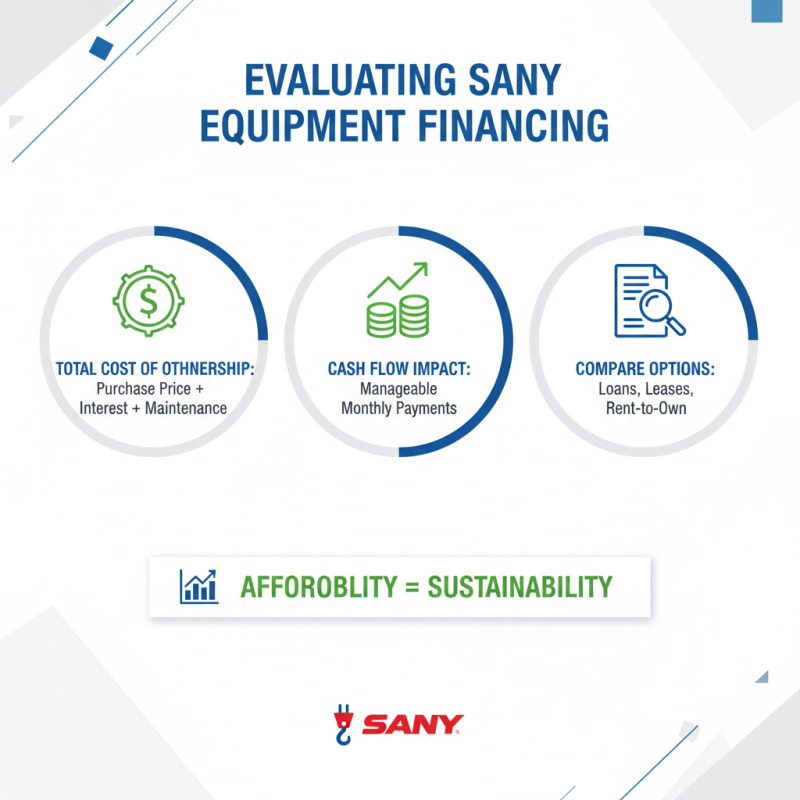
When considering the purchase of heavy equipment, financing is crucial. Different financing options can significantly impact your business's cash flow. It's essential to evaluate the total cost of ownership. This includes the initial purchase price, interest rates, and potential maintenance. An affordable monthly payment plan can ease the financial burden.
Leasing is another option worth considering. It often requires a lower upfront investment. However, there may be restrictions on usage and modifications. Evaluate your long-term needs before making a decision. Some businesses might find outright purchasing more beneficial in the long run. However, liquidity could become an issue if too much capital is locked up.
Do your research. Seek advice from financial experts. Understand how each financing model works. Build a budget that aligns with your goals. Explore various lenders and options available. Remember, the best deal is one that fits your business strategy. Take your time and reflect on what financing method serves your needs best.
Ensuring Post-Purchase Support and Maintenance Services
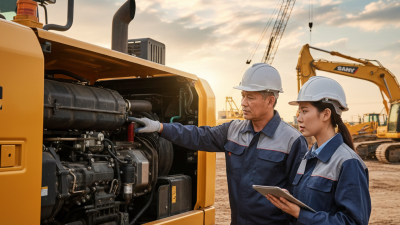
When purchasing heavy equipment, post-purchase support is critical. Reliable service can help you maximize your investment. Look for vendors who offer comprehensive maintenance plans. This support can include regular inspections, spare parts availability, and operational training.
Consider the experience of the service team. Technicians should have specialized knowledge of your equipment type. Their expertise can detect issues early. Prompt service can reduce downtime, which is essential for project continuity. However, not all vendors provide the same level of reliability. Research online reviews and testimonials to gauge their effectiveness.
Maintenance services should include unexpected repairs. Identify a vendor who can respond quickly to emergencies. A trusted provider ensures equipment remains operational, minimizing disruptions. Evaluate whether the support aligns with your operational needs. Don’t underestimate the importance of clear communication and accessibility. This can significantly impact your long-term satisfaction.
Monthly Equipment Purchase and Maintenance Costs

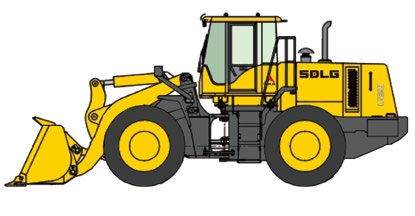 Wheel Loader
  Excavator
 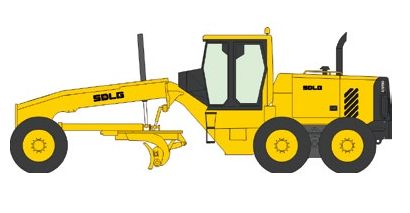 Motor Grader
 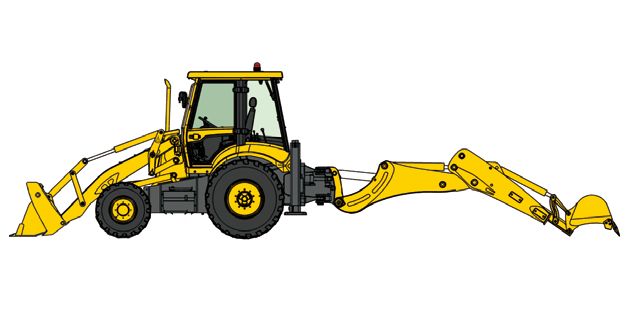 Backhoe Loader
 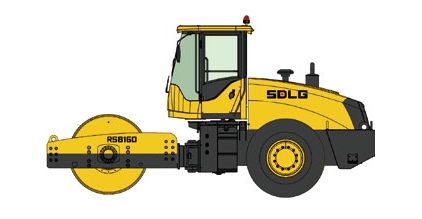 Road Roller
 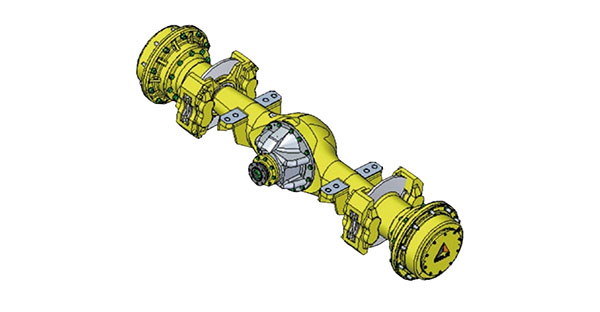 Spare Parts