Leave Your Message

What Is the Best Excavation Equipment in 2026?

Choosing the best Excavation Equipment in 2026 is not as simple as naming the largest machine. The right choice depends on soil conditions, project scale, access limits, attachment needs, fuel use, and operator skill. A compact excavator may outperform a heavy crawler machine on a narrow urban site. Meanwhile, a wheeled excavator can save time when moving between paved work areas. Conditions matter.

This guide examines practical equipment choices through specifications, field experience, and measurable job requirements. It considers digging depth, lifting capacity, hydraulic performance, transport costs, visibility, maintenance access, and control technology. Manufacturer data offers a useful starting point, but real work can reveal uncomfortable gaps. A machine that looks efficient on paper may struggle in wet clay or uneven ground. Operator feedback matters.

We will compare mini excavators, standard crawler excavators, long-reach models, wheeled units, and specialized attachments. The discussion also considers emissions standards, noise limits, safety systems, and total ownership costs. These factors can change the best answer for contractors, utility crews, landscapers, and large construction teams. No single model wins every project.

That is worth remembering.

The evaluation remains practical rather than promotional. It uses documented specifications where possible and recognizes that local dealers, service networks, and replacement-part availability can influence reliability. Technology will improve in 2026, but experienced judgment still matters. Sometimes, the smartest decision is choosing a smaller machine, renting first, or admitting that the initial estimate was wrong.
What Is the Best Excavation Equipment in 2026?

Excavation Equipment Categories and Their Primary Uses in 2026

What Is the Best Excavation Equipment in 2026?

Excavation Equipment Categories and Their Primary Uses in 2026

The best excavation equipment in 2026 depends on soil, site access, depth, and production targets. There is no universal winner.

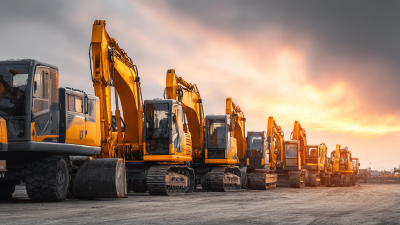
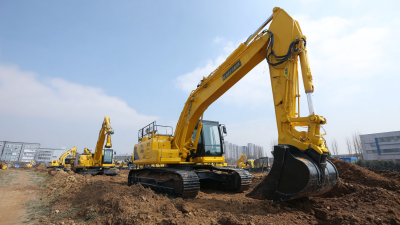
Hydraulic excavators handle deep digging, trenching, loading, and controlled demolition. Their rotating upper frames work well on restricted sites.

Mini excavators suit landscaping, utility repairs, and residential foundations. They can pass through narrow gates, although their smaller buckets extend project time.

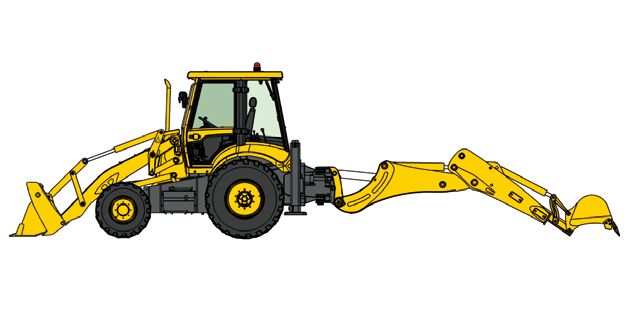
Backhoe loaders combine digging and loading in one machine. They remain practical for road maintenance and scattered repair work.

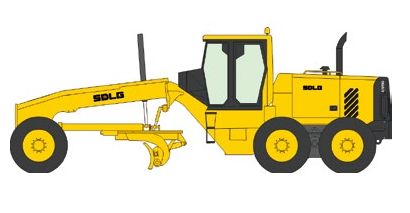
Bulldozers push soil, clear rough ground, and build stable grades. Their strength is force, not precise material placement.

Wheel loaders move loose soil, gravel, and sand quickly between stockpiles and trucks.

Scrapers perform better on large, open earthmoving projects with long, shallow cuts.

Trenchers create narrow utility channels efficiently, but rocky ground can reduce their advantage.

Vacuum excavators expose buried services with less mechanical contact. That matters near crowded infrastructure.

Modern equipment increasingly includes machine-control systems, telematics, operator-assistance cameras, and lower-emission power options. These tools can improve grading accuracy and maintenance planning.

They cannot replace a skilled operator or a proper site survey. I have seen productive machines underperform because the bucket was wrong for wet clay. That mistake is easy to repeat.

Choosing equipment by purchase price alone can also distort the decision. Fuel use, transport limits, attachment changes, ground pressure, and operator experience deserve equal attention.
Key Factors for Choosing the Best Excavation Equipment

Choosing the best excavation equipment in 2026 starts with the worksite, not the newest machine. Soil density, trench depth, access width, and daily production targets should guide the decision. On a recent drainage project, a compact excavator reduced ground damage but needed more bucket cycles. That trade-off changed our schedule. Measure the site before comparing specifications. A machine with excessive power may waste fuel and damage finished surfaces. A smaller unit can struggle in dense clay, especially when operators work long shifts.

Hydraulic flow must match the attachments you plan to use. A breaker, auger, or grading bucket can require very different flow rates. Check lifting charts at the working radius, not only the maximum rated capacity. Stability matters near trenches and uneven ground. I have seen productivity estimates fail because travel time was ignored. Include loading, repositioning, refueling, and attachment changes in the daily calculation. Then compare fuel use, maintenance access, service intervals, and spare-part availability. These details often matter more than headline horsepower.

Experienced operators should test visibility, controls, vibration, and emergency functions before approval. Ask for documented inspection records and verified performance data. Follow local safety rules, equipment limits, and trained lifting procedures. Do not assume technology removes risk. Cameras and telematics help, but they cannot replace ground checks. For short projects, rental may preserve cash and reduce storage obligations. For repeated work, ownership may offer better control over availability and setup. Our first estimate is not always right. Review actual cycle times after one week, then adjust the equipment plan.

Top Excavators and Machines for Different Job Requirements

What Is the Best Excavation Equipment in 2026?

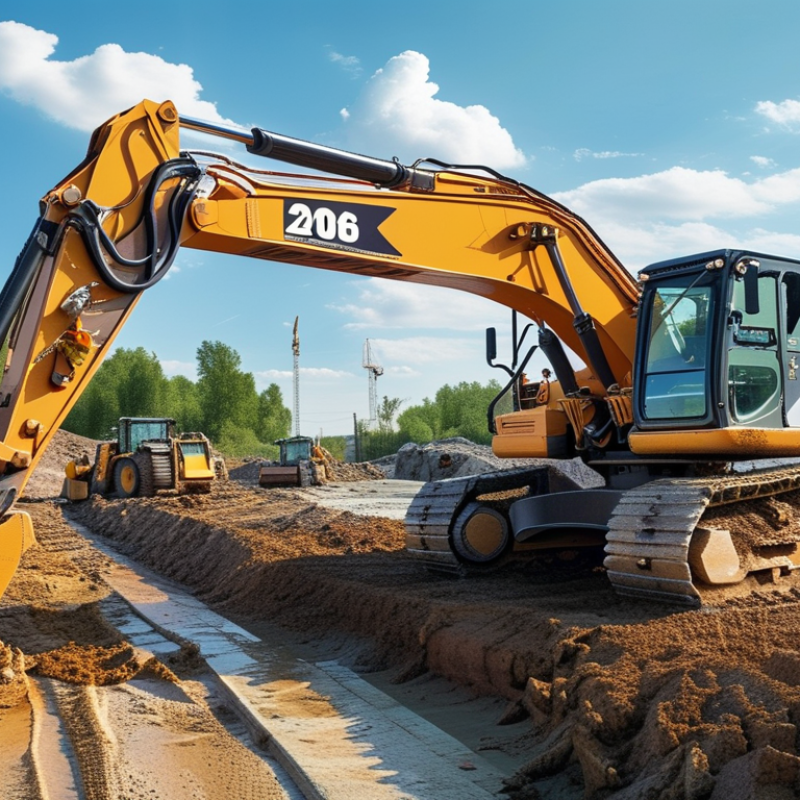
The best excavation equipment depends on soil, access, depth, and daily workload. A compact excavator suits narrow yards, landscaping, and small utility repairs. Its reduced tail swing protects walls, fences, and nearby vehicles. Choose a crawler excavator for steep ground, muddy soil, or demanding construction work. Wide tracks improve stability and reduce ground pressure.

For paved areas, a wheeled excavator offers faster travel between work zones. It causes less disruption than tracked equipment on finished surfaces. A long-reach excavator handles deep drainage channels and pond shaping. It keeps the machine farther from unstable edges. Backhoe loaders remain practical for mixed digging, loading, and road maintenance tasks. They are useful when one machine must perform several jobs.

Attachments can change performance significantly. Hydraulic breakers suit concrete removal, while grading buckets improve final surface control. Match the attachment to hydraulic flow and machine weight. Undersized equipment may overheat during long shifts. Oversized equipment can damage fragile ground and waste fuel. Operator visibility, seat comfort, and simple controls also affect productivity. No machine is perfect. A machine that looks powerful may feel awkward on a crowded site. Test turning clearance, digging reach, and transport needs before purchase. Record fuel use and maintenance delays during real projects. Those details often matter more than impressive specifications.

What Is the Best Excavation Equipment in 2026? - Top Excavators and Machines for Different Job Requirements

Equipment Type Typical Operating Weight Typical Engine Power Typical Bucket Capacity Typical Maximum Digging Depth Ground Mobility Best Job Requirements Main Limitations
Mini Excavator 1–6 metric tonnes
(2,200–13,200 lb)
15–55 hp
(11–41 kW)
0.02–0.30 m³
(0.03–0.39 yd³)
2.0–4.0 m
(6.6–13.1 ft)
Tracked; low ground pressure Utility trenches, residential landscaping, drainage work, pool construction, and work in narrow access areas. Limited lifting capacity, reach, and production rate on large earthmoving projects.
Compact Excavator 6–10 metric tonnes
(13,200–22,000 lb)
45–75 hp
(34–56 kW)
0.20–0.60 m³
(0.26–0.78 yd³)
3.5–5.5 m
(11.5–18.0 ft)
Tracked; stable on prepared and moderately uneven ground Urban construction, road repairs, residential foundations, site preparation, and medium-sized trenching. Less productive than standard excavators for deep, heavy, or high-volume digging.
Standard Crawler Excavator 10–25 metric tonnes
(22,000–55,100 lb)
75–175 hp
(56–130 kW)
0.40–1.50 m³
(0.52–1.96 yd³)
5.5–7.5 m
(18.0–24.6 ft)
Tracked; strong stability and low surface pressure General excavation, foundations, utility installation, road building, material loading, and site development. Requires transport between sites and is slower on paved roads than wheeled equipment.
Large Crawler Excavator 25–50 metric tonnes
(55,100–110,200 lb)
175–400 hp
(130–298 kW)
1.20–3.50 m³
(1.57–4.58 yd³)
7.0–10.0 m
(23.0–32.8 ft)
Tracked; high stability on demanding terrain Large foundations, quarrying, mass excavation, major infrastructure, demolition, and heavy material handling. High transport, fuel, and operating costs; unsuitable for confined urban spaces.
Long-Reach Excavator 20–45 metric tonnes
(44,100–99,200 lb)
150–350 hp
(112–261 kW)
0.30–1.50 m³
(0.39–1.96 yd³)
10–25 m
(32.8–82.0 ft)
Tracked; designed for stable positioning Deep dredging, canal maintenance, slope work, riverbank construction, high-reach demolition, and excavation from a safe stand-off distance. Lower breakout force and lifting capacity than a similarly sized conventional boom configuration.
Wheeled Excavator 10–25 metric tonnes
(22,000–55,100 lb)
100–215 hp
(75–160 kW)
0.30–1.20 m³
(0.39–1.57 yd³)
5.0–7.0 m
(16.4–23.0 ft)
Wheeled; fast travel on paved surfaces Urban utility work, roadside maintenance, rail projects, street construction, and jobs requiring frequent relocation. Less stable than tracked excavators on soft or steep ground and may require stabilizers while digging.
Skid-Steer Loader with Excavation Attachments 2.5–5.0 metric tonnes
(5,500–11,000 lb)
45–100 hp
(34–75 kW)
Attachment-dependent; commonly 0.20–0.60 m³
(0.26–0.78 yd³)
Attachment-dependent; generally shallower than a dedicated excavator Wheeled or tracked; highly maneuverable Light trenching, grading, backfilling, material movement, augering, and compact sites requiring multiple attachments. Limited digging depth, reach, and lifting performance compared with dedicated excavators.
Backhoe Loader 7–12 metric tonnes
(15,400–26,500 lb)
70–125 hp
(52–93 kW)
Rear bucket: 0.10–0.35 m³
(0.13–0.46 yd³)
4.0–6.0 m
(13.1–19.7 ft)
Wheeled; road-mobile with front loader capability Utility maintenance, small foundations, farm work, road repairs, snow removal, loading, and projects needing one multipurpose machine. Lower excavation output and stability than a dedicated crawler excavator on large or difficult sites.
Dragline Excavator 50–1,000+ metric tonnes
(110,000–2,204,600+ lb)
Electric or diesel-electric; project-specific Several cubic metres to more than 100 m³
(capacity varies widely)
Project-specific; suitable for very deep or wide working areas Crawler, walking, or fixed base Large-scale mining, overburden removal, deep excavation, and operations requiring long reach and high-volume production. Very high capital cost, complex setup, large footprint, and unsuitable for small or mobile projects.
Bulldozer 8–70 metric tonnes
(17,600–154,300 lb)
80–1,000 hp
(60–746 kW)
Blade capacity varies by blade type and material Not designed for deep bucket excavation Tracked; excellent traction and grading stability Stripping, pushing soil, rough grading, road formation, land clearing, stockpile work, and spreading fill. Cannot replace an excavator for deep trenching, bucket loading, or precise below-grade excavation.
Wheel Loader 10–35 metric tonnes
(22,000–77,200 lb)
120–500 hp
(89–373 kW)
1.5–7.0 m³
(2.0–9.2 yd³)
Not designed for deep digging Wheeled; fast and efficient on firm surfaces Loading trucks, moving aggregate, handling stockpiles, quarry operations, and short-distance material transport. Poor choice for narrow trenches, deep foundations, hard digging, and soft ground without suitable site conditions.

Note: Specifications are typical industry ranges for 2026 equipment categories. Actual performance varies according to machine configuration, attachment, soil conditions, operator skill, altitude, and site layout.

Smart, Electric, and Autonomous Features in Modern Excavation Equipment

What Is the Best Excavation Equipment in 2026?

The best excavation equipment in 2026 is not simply the largest or strongest machine. Smart, electric, and autonomous features now influence daily productivity, safety, and operating costs. Electric excavators produce less noise and no direct exhaust at the worksite. They suit indoor projects, urban repairs, and night work near homes. Their battery range still depends on soil hardness, attachments, temperature, and charging access. That limitation deserves honest planning.

Smart machines use sensors, telematics, and digital control systems to track fuel, battery levels, idle time, and maintenance needs. Operators can receive alerts before a hydraulic fault stops production. Automated grading and machine-control tools improve digging accuracy, especially around utility lines. However, sensors can lose accuracy in dust, rain, or crowded sites. Human judgment remains essential. Autonomous operation is developing, not flawless.

Tips: Match the machine to the soil, trench depth, access space, and daily workload. Check charging infrastructure before choosing electric equipment. Keep an experienced operator involved during autonomous tasks. Review machine data weekly, but verify it against physical inspections. A dashboard may show healthy performance while a worn attachment tells another story. Testing one machine during real site conditions often reveals more than a showroom demonstration.

What Is the Best Excavation Equipment in 2026?

Smart, electric, and autonomous features are changing how excavators are selected, but machine size still depends on the job, site conditions, and required production capacity.

The chart shows representative operating-weight ranges commonly used to classify excavators: compact machines for urban and light-duty work, mid-size machines for general construction, and large machines for high-volume excavation. In 2026, the most suitable equipment typically combines the correct size with electric power for low-emission sites, telematics for fleet visibility, and autonomous or assistive controls for safer and more consistent operation. Ranges are generalized industry values and do not represent any company or brand.

Safety, Operating Costs, and Future Trends in Excavation Equipment

What Is the Best Excavation Equipment in 2026?

The best excavation equipment depends on the site, soil, depth, and workload. A compact excavator suits narrow urban projects and sensitive surfaces. Larger excavators deliver stronger digging power on deep foundations and rocky ground. Safety should guide every decision. Operators need clear visibility, stable platforms, reliable alarms, and well-maintained hydraulic systems. Daily inspections can reveal loose tracks, leaking hoses, or damaged attachments before work begins. Small oversights can become expensive incidents.

Operating cost matters beyond fuel consumption. Compare purchase price, service intervals, attachment needs, transport charges, and expected downtime. An efficient machine is not always the cheapest machine. A poorly matched excavator may idle often or wear quickly in abrasive soil. Rental can reduce financial risk for short projects, while ownership may suit steady workloads. Real site data should guide the choice. Estimates are often too optimistic.

Tips: Check ground conditions before selecting equipment. Train operators on changing loads and blind spots. Record fuel use, repairs, and idle hours weekly. Consider electric or hybrid equipment where charging access is dependable and local emissions limits are strict. Telematics can identify inefficient operation and schedule maintenance earlier. Semi-automated controls may improve precision, but they still require alert supervision. Technology helps. It does not replace judgment.